Bitcoin
This page lists the latest Bitcoin news and market analysis. Browse articles, expert insights, and updates in this category on JrKripto. Stay informed with in-depth coverage of cryptocurrency trends and developments.
News
Bitcoin News
Bitcoin News
Browse all Bitcoin related articles and news. The latest news, analysis, and insights on Bitcoin.
Fed Rate Decision Looms: Three Scenarios for Bitcoin and the Crypto Market
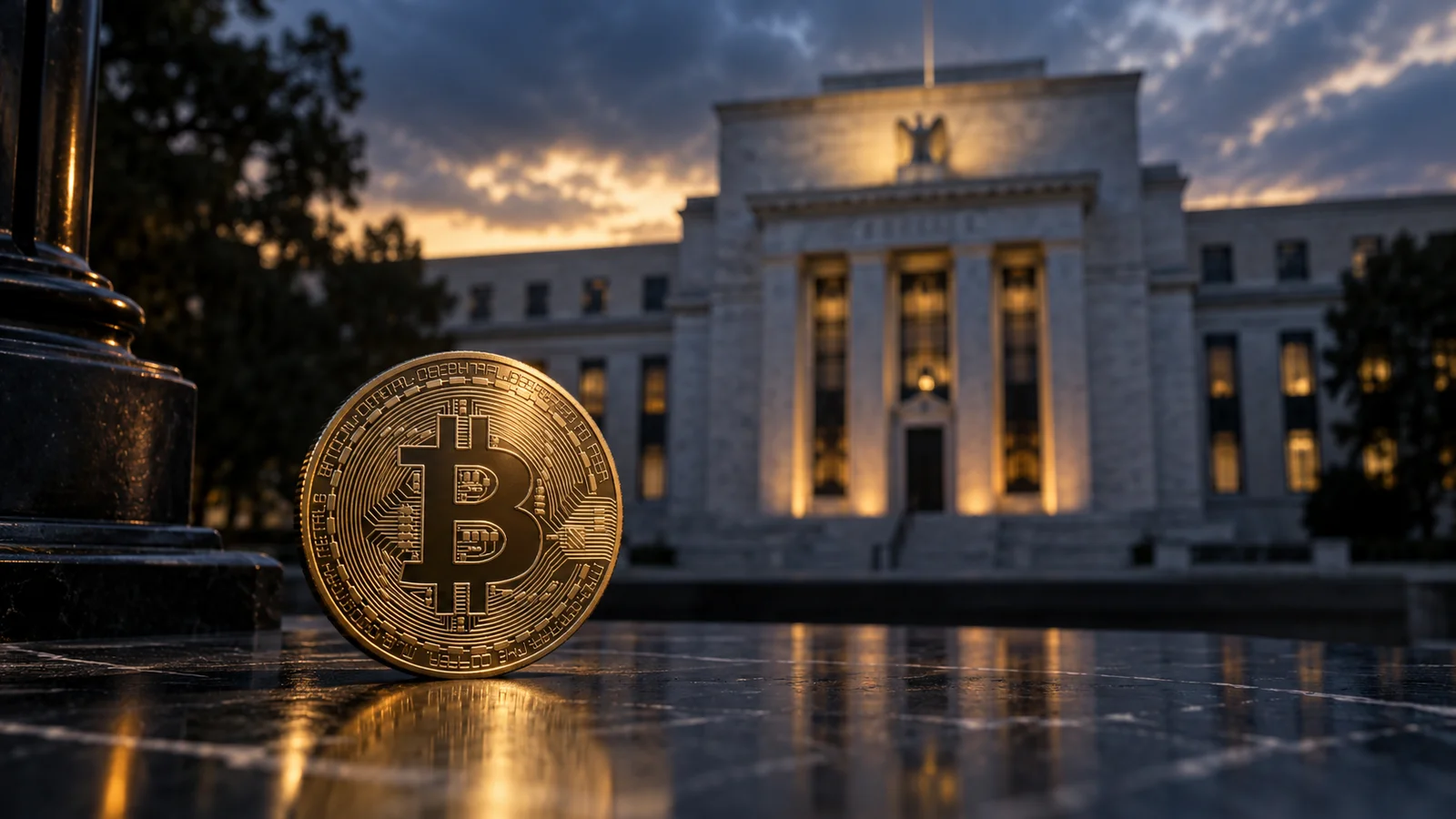
The crypto market is focused on the Fed rate decision due Wednesday, September 16. Investors expect the U.S. central bank to raise interest rates for the first time in nearly three years. The direction of Bitcoin and altcoins will also depend on what the Fed says about the months ahead.At its July meeting, the Fed kept its policy rate at 3.50%–3.75%. Nine members supported the decision, while three favored a 25-basis-point increase. Expectations of a rate hike have strengthened ahead of the September meeting.CME FedWatch data, based on futures prices, shows that markets view a 25-basis-point increase as the most likely outcome. Such a move would lift the policy rate to 3.75%–4.00%. These probabilities can change during trading, so the latest pricing should be checked before the decision.Why does the Fed rate decision matter for crypto?U.S. consumer prices rose 3.4% year over year in August, with a monthly increase of 0.4%. Data from the U.S. Bureau of Labor Statistics shows that inflation remains above the Fed’s 2% target.Higher interest rates can encourage investors to favor assets that offer yields and carry relatively lower risk. This could limit the capital flowing into Bitcoin, which does not generate interest income. Rising Treasury yields and a stronger dollar could also weigh on risk appetite across the crypto market.Still, an expected rate hike does not necessarily mean prices will fall. Markets may have already priced in much of a 25-basis-point increase. Investors would then turn their attention to whether the Fed plans further hikes.What are the scenarios for Bitcoin and altcoins?If the Fed raises rates by 25 basis points but takes a cautious approach to future moves, the initial crypto market reaction could be volatile. The widely expected hike would carry less surprise. Fed Chair Kevin Warsh’s remarks at the press conference could then set the direction.If the Fed signals further tightening to combat inflation, risk assets could come under pressure. Such a message could support Treasury yields and the dollar. Altcoins may move more sharply because they are sensitive to liquidity and investors’ willingness to take risks.Keeping rates unchanged could initially support crypto assets. However, any gains might fade if the Fed describes the decision as a temporary pause. A larger-than-expected rate hike would be a more pronounced negative surprise for the market.According to the official schedule, the decision will be announced at 9:00 p.m. Turkish time. Warsh’s press conference will begin at 9:30 p.m. The Fed will also publish updated economic projections. The projected path for interest rates could matter as much as the decision itself for Bitcoin and altcoins.At the time of writing, Bitcoin is trading around $76,000.
Bitcoin ETF Flows Reverse: $450 Million Leaves Funds in One Day
U.S. spot Bitcoin ETFs recorded $450.4 million in net outflows on Tuesday, September 15. The funds had attracted $159.9 million in the previous trading session. That marked a $610.3 million swing in daily flows.The figures, published on September 16, cover the most recent completed trading session. Farside Investors has not yet reported results for the September 16 session.Fidelity’s FBTC accounted for the largest share of the outflows, losing $214.8 million. BlackRock’s IBIT followed with $161.7 million in outflows. Together, the two funds lost $376.5 million, or about 84% of the day’s net outflows.Five Bitcoin ETFs Recorded OutflowsAccording to Farside, Grayscale’s GBTC recorded $44.1 million in net outflows. Another $17.4 million left Ark and 21Shares’ ARKB, while Bitwise’s BITB lost $12.4 million. The other seven funds in the dataset ended the day with zero net flows.Monday’s figures told a different story. BlackRock’s IBIT attracted $134.3 million, and Fidelity’s FBTC took in $53.3 million. Spot Bitcoin ETFs finished that session with net inflows despite a $42 million outflow from ARKB. On Tuesday, flows at both IBIT and FBTC reversed, pulling the overall total into negative territory.Recent data shows how sharply ETF flows have shifted. The funds recorded net outflows on each of the four trading days from September 8 through September 11. Monday’s $159.9 million inflow ended that streak, but Tuesday’s $450.4 million outflow more than erased it.ETF flow figures show the daily net amount of money entering or leaving the funds. On their own, they do not reveal every investor’s Bitcoin position or explain why Bitcoin’s price moves. They do, however, offer a measure of demand for Bitcoin exposure through U.S. exchange-traded funds. New Flow Data in Focus Ahead of Fed DecisionThe reversal came as markets awaited the Federal Reserve’s interest rate decision. According to the Fed’s calendar, its monetary policy meeting runs from September 15 to September 16. Investors will also watch the economic projections released alongside the decision.The completed September 16 ETF data will offer a clearer indication of whether demand recovered after Tuesday’s outflows. Figures reported before the U.S. session ends should not be treated as final daily net flows.

CoinEx Is Shutting Down: Users Given Time to Withdraw Their Assets
Cryptocurrency exchange CoinEx has decided to shut down after nine years of operation. The platform will gradually discontinue its services and cease operations entirely on December 22, 2026.CoinEx said the prolonged downturn in the cryptocurrency market contributed to the decision. Declining trading volumes and shrinking liquidity also played a role.The exchange also pointed to regulatory requirements across major markets. Rising compliance costs and operational uncertainty made it increasingly difficult to continue operating.According to CoinEx’s official announcement, the shutdown process began on September 15. New user registrations were suspended on the same date.CoinEx will gradually discontinue its servicesAs part of the first stage, CoinEx placed its futures markets into reduce-only mode. Users can no longer open new futures positions.The platform is also no longer accepting new orders for margin trading, loans, staking, or earning products. Users cannot create new automated investment or grid trading strategies either.All non-spot services will end on September 22. Futures trading will cease entirely on that date. Users should close their open positions before the deadline.The platform will forcibly settle any remaining futures positions at the index price. It will also cancel all unfilled orders.CoinEx will stop accepting on-chain deposits on the same date. CET deposits will remain available as an exception until September 29.Earning and staking products will be automatically closed on September 22. CoinEx will transfer the principal and accrued yields to users’ spot accounts.Spot trading will end on September 29CoinEx will discontinue all spot trading services on September 29. The platform will automatically cancel all open spot orders.Users who want to withdraw their assets in their original form must complete the process by 05:00 a.m. Türkiye time on September 29. After that deadline, CoinEx will begin processing all non-USDT assets remaining in user accounts.Assets with sufficient liquidity on external markets will be sold and converted into USDT. The net proceeds will then be credited to users’ spot accounts.Assets without sufficient liquidity will be gradually delisted. CoinEx said it would no longer assume responsibility for the custody or redemption of these assets.The exchange will apply a separate process to its native token, CET. CoinEx will repurchase CET holdings at a fixed price of 0.005 USDT per token.Users can sell CET through the CET/USDT trading pair until September 29. Any CET remaining in user accounts after that date will be automatically repurchased at the same price.The withdrawal deadline is December 22CoinEx’s withdrawal services will remain available until 05:00 a.m. Türkiye time on December 22, 2026. The platform urged users to avoid leaving their withdrawals until the final day.Any USDT assets that remain unwithdrawn after the deadline will be transferred to an independent custody system. CoinEx will charge a monthly custody fee equal to 5% of the original asset balance.Users will have until August 22, 2028, to submit claims for assets transferred into custody. Any assets left unclaimed after that date will be handled in accordance with applicable laws and procedures.CoinEx said user assets are backed by reserves exceeding 100%. It also emphasized that withdrawals will remain available throughout the shutdown process.CoinEx Wallet and CoinEx Vault will remain unaffected by the decision. The two services operate independently from the exchange platform and will continue functioning.

Strategy Bought No Bitcoin as Two Rivals Added $105 Million in Crypto
Corporate crypto treasury strategies continued to diverge last week. Strategy, the world’s largest corporate Bitcoin holder, made no new purchases. Meanwhile, Strive and BitMine acquired approximately $105 million worth of cryptocurrencies.Strategy said it neither purchased nor sold Bitcoin between September 7 and September 13.As a result, Strategy’s holdings remained unchanged at 845,050 BTC. The company acquired these assets for a total of $63.73 billion. Its average purchase price stands at $75,412 per Bitcoin, including fees and expenses.Strategy’s dollar-denominated assets declined by approximately $140 million last week. Its US dollar reserve and available cash fell to a combined $6.4 billion.Strategy repurchased its own shares instead of BitcoinAlthough Strategy made no new Bitcoin purchases, it allocated funds to capital management. The company repurchased more than 1.4 million of its own shares for approximately $139.3 million.This expenditure accounts for most of the weekly decline in Strategy’s dollar assets. The company currently holds a $5.1 billion US dollar reserve. It also has approximately $1.3 billion in cash available for broader purposes.The reserve aims to cover preferred stock dividends and interest payments on outstanding debt. The company can use its other cash resources for broader purposes, including Bitcoin purchases and share buybacks.Strategy completed its latest Bitcoin purchase at the end of August. The company paid $369.7 million for 4,603 BTC. The transaction carried an average price of $80,318 per Bitcoin.Strive added 469 BTC to its reserveWhile Strategy paused its purchases, Strive expanded its Bitcoin reserve. The company acquired 469 BTC for $36.6 million.Strive paid an average price of $77,954 per Bitcoin, including fees and expenses. This figure was close to Bitcoin’s recent market price.The company therefore continued its strategy of building a corporate Bitcoin treasury. Strive previously used several financing transactions to expand its holdings.The latest purchase came during a week when Strategy remained on the sidelines. The development highlights the two Bitcoin treasury companies’ different short-term capital allocation decisions.BitMine purchased 27,180 ETHBitMine completed one of the week’s largest corporate cryptocurrency purchases. The company announced that it had added another 27,180 ETH to its reserve. Based on the disclosed price of $2,513, the acquired Ether was worth approximately $68.3 million. The purchase increased BitMine’s total Ethereum holdings to 5,956,378 ETH.The company’s Ethereum reserve is currently worth approximately $15 billion. Its combined cryptocurrency, cash, marketable securities and other investments have reached $15.8 billion.BitMine continues to pursue its goal of controlling approximately 5% of Ethereum’s supply. The latest purchase brought the company another step closer to that target.Strive and BitMine purchased approximately $105 million worth of cryptocurrencies during the week. Strategy instead allocated capital to repurchasing its own shares. The companies therefore followed different treasury management strategies amid the prevailing market conditions.

Crypto This Week: Fed Decision and 30 Key Events
Bitcoin started the week of September 14–20 at around $77,500. The Federal Reserve’s interest rate decision, a crypto vote in the US Senate and oil prices above $100 could increase market volatility. The crypto calendar also features a Pi Network upgrade, delistings by South Korean exchanges and a TRUMP token unlock worth approximately $57 million. Chainflip is preparing to restart its network following a 736,000 USDT exploit over the weekend.Fed interest rate decision and projections are comingThe Federal Open Market Committee’s two-day meeting will begin on Tuesday, September 15. The Fed will announce its interest rate decision and updated economic projections on Wednesday, September 16, at 9:00 p.m. Turkey time. The chair’s press conference will begin at 9:30 p.m.The Fed’s official calendar confirms the announcement times for the current policy rate of 3.50%–3.75%. Futures markets assign a probability of more than 85% to a 25-basis-point increase. Goldman Sachs and JPMorgan have also revised their expectations toward a rate hike.US consumer inflation, released last week, reached 0.4% monthly and 3.4% annually. Inflationary pressure, combined with strong employment data, strengthened expectations that the Fed could resume monetary tightening.Markets will also monitor the dot plot and economic forecasts for 2026–2028. Officials’ projections for further rate increases this year could influence Bitcoin through movements in the dollar and Treasury yields.US retail sales data for August will arrive on September 16 at 3:30 p.m. Turkey time. Import price data, scheduled for the same time, will offer further information about how energy costs are feeding into domestic inflation.BoE and BOJ decisions fall in the same weekThe Bank of England will publish its interest rate decision on Thursday, September 17, at 2:00 p.m. Turkey time. All 65 economists surveyed by Reuters expect the BoE to keep its policy rate unchanged at 3.75%.The United Kingdom will announce August inflation data one day before the decision. According to the Office for National Statistics calendar, the figures will arrive on September 16 at 9:00 a.m. Turkey time. Annual inflation stood at 2.9% in July.The UK labor market report will be released on Tuesday, September 15, at 9:00 a.m. It will include new data on unemployment, wage growth, job vacancies and payroll employment.The Bank of Japan will meet on September 17–18. A Reuters poll indicates strong expectations that the central bank will raise its current 1% policy rate by 25 basis points.The decision is expected on the morning of Friday, September 18. BOJ Governor Kazuo Ueda’s press conference will begin at 9:30 a.m. Turkey time.The meeting carries additional significance for crypto markets. A rate hike could strengthen the yen and trigger the unwinding of leveraged positions financed through the Japanese currency.CLARITY Act heads for a critical Senate voteThe US Senate is preparing to hold a procedural vote on the CLARITY Act on September 15. The legislation aims to define the division of responsibilities within the digital asset market. It needs support from 60 senators before debate can formally begin.The bill would reorganize regulatory authority over crypto assets between the Securities and Exchange Commission and the Commodity Futures Trading Commission. It would also establish federal rules for exchanges, brokers, custodians and token issuers.The Senate Banking Committee approved the bill in May by a vote of 15–9. According to Reuters, objections involving stablecoin interest payments and crypto companies’ access to banking services could make the 60-vote threshold difficult to reach.Passing the procedural vote would not amount to final approval. If the motion succeeds, the Senate would still need to consider amendments and vote on the full legislative text.The House Ways and Means Committee could also discuss the taxation of staking and mining rewards on September 16. Wash-sale rules for digital assets may form another part of the discussion.However, the committee has not published a confirmed time on its official calendar. Therefore, the potential hearing is not included in this week’s verified schedule.Oil prices become a liquidity risk againBrent crude started the week near $107 per barrel, while West Texas Intermediate traded around $102. Attacks on energy infrastructure in Saudi Arabia and risks to regional shipments continue to support prices.Oil prices remaining at these levels could fuel global inflation through higher fuel and transportation costs. The Fed, BoE and BOJ will all announce decisions this week, increasing the potential impact of energy-driven inflation on digital assets.Attacks on Russian refineries are also reducing diesel production and intensifying pressure on energy markets. US diesel prices rising above $6 per gallon create another risk for corporate costs and consumer inflation.Upbit, Bithumb and Bitget plan delistingsUpbit and Bithumb will end trading support for Storj, JasmyCoin and ThunderCore on Monday, September 14, at 9:00 a.m. Turkey time. The exchanges will cancel open orders for STORJ, JASMY and TT, while withdrawals will remain available until October 14.Bitget’s first change will affect Classic Account users on September 17. The exchange will stop allowing new positions in NEARUSD, AVAXUSD, ADAUSD, LINKUSD, DOGEUSD, SOLUSD, XRPUSD, ETHUSD and BTCUSD coin-margined perpetual contracts after 7:00 a.m.Trading in these contracts will end completely at 10:00 a.m. Bitget’s official announcement indicates that contracts under Unified Accounts will remain unaffected.The exchange will also delist the CAMP/USDT, RHEA/USDT, ORBS/USDT and TURBO/USDT spot pairs on Friday, September 18, at 1:00 p.m. Withdrawals will remain available until December 18 at 1:00 p.m.No major spot listing or high-profile token launch has been confirmed for this week. Therefore, delisting decisions and supply developments involving existing tokens will carry greater weight.Pi Network targets Protocol 27 upgradePi Network has set September 15 as the target date for upgrading its mainnet to Protocol 27. According to the project’s announcement, the update will introduce more flexible and secure authentication features for smart contracts.The team has not announced an exact activation time. The target date also depends on network readiness. Exchanges could temporarily suspend PI deposits and withdrawals during the upgrade.Ethereum developers will hold an All Core Developers Consensus call on September 17 at 5:00 p.m. Turkey time. The meeting will cover consensus-layer development and preparations for the Glamsterdam upgrade. However, the call itself does not represent a mainnet upgrade.Chainflip restart expected after exploitChainflip started the week with operations suspended following an exploit involving its USDT integration on TRON. The attacker abused a vulnerability in transaction memo processing to withdraw 736,442 USDT through six unauthorized payments.The project said its other vaults were unaffected and promised to compensate affected users. Incomplete user transactions worth approximately 115,654 USDT remain in the vault until the network restarts.Chainflip initially said the restart would not happen before Monday. However, it has not provided an exact time.According to the incident report, the project could release a new software version, compensation details and a technical review this week.No separate binding, high-impact DAO vote with a confirmed deadline appears on the calendar. Chainflip’s operational decisions and the CLARITY Act process represent the week’s main governance and regulatory developments.TRUMP and ZRO unlocks carry significant valueOfficial Trump will conduct the week’s largest token unlock by dollar value. A total of 28.7 million TRUMP will enter circulation on September 18. Based on the morning spot price, the tokens are worth approximately $57.1 million.The unlock represents about 2.9% of the total token supply. Its share of the circulating market capitalization is higher, increasing the risk of short-term dilution.LayerZero will unlock 25.71 million ZRO on September 20. The tokens are worth approximately $26.9 million at the current price and represent around 4.2% of the circulating supply.Bedrock will release 40.63 million BR on the same day. The unlock is worth approximately $15 million and equals nearly 18.7% of the circulating supply. This makes it one of the week’s most significant events in proportional terms.Arbitrum’s unlock of 92.65 million ARB will occur on September 16 at 4:00 p.m. Turkey time. The tokens currently have a combined value of around $12.7 million.Additional supply entering the market will include approximately $8.4 million in YZY, $5.4 million in KAITO, $3.6 million in STRK and $2.5 million in SEI. LISTA will also release tokens worth around $2.6 million on September 20.CoinShares results and two conferences on watchCoinShares will publish its financial results for the six months ended June 30 on September 14. Management’s conference call will begin at 3:30 p.m. Turkey time.Digital asset prices, fund flows and assets under management will be among the report’s main areas of interest.Bitcoin miner Bitdeer will also attend the H.C. Wainwright Global Investment Conference on September 14. Its presentation could provide updates on mining capacity, energy infrastructure and investments in artificial intelligence data centers.The European Blockchain Convention will take place in Barcelona on September 16–17. Its program focuses on institutional crypto adoption, tokenization, stablecoins, custody services and European regulation.ETHTokyo Week will begin on Saturday, September 19, and continue until September 27. The program will bring Ethereum developers, security researchers and Web3 projects together in Tokyo.This week’s 30-event crypto calendarSeptember 14: CoinShares publishes its first-half 2026 results.September 14: Bitdeer attends the H.C. Wainwright conference.September 14, 9:00 a.m.: Upbit and Bithumb end STORJ, JASMY and TT trading.September 14–15: Remaining sessions of the ETHTaipei program.September 15, 3:00 a.m.: Approximately $3.6 million STRK token unlock.September 15, 6:00 a.m.: Approximately $8.4 million YZY token unlock.September 15, 9:00 a.m.: UK labor market report.September 15, 3:00 p.m.: Approximately $2.5 million SEI token unlock.September 15: Target date for the Pi Network Protocol 27 mainnet upgrade.September 15: US Senate procedural vote on the CLARITY Act.September 16, 9:00 a.m.: UK consumer and producer inflation data for August.September 16, 3:30 p.m.: US retail sales for August.September 16, 3:30 p.m.: US import and export prices for August.September 16, 4:00 p.m.: Approximately $12.7 million ARB token unlock.September 16–17: European Blockchain Convention.September 16, 9:00 p.m.: Fed interest rate decision and economic projections.September 16, 9:30 p.m.: Fed chair’s press conference.September 17, 12:00 p.m.: Final eurozone inflation data for August.September 17, 3:30 p.m.: US weekly jobless claims.September 17, 3:30 p.m.: US housing starts and building permits for August.September 17, 2:00 p.m.: Bank of England interest rate decision.September 17, 5:00 p.m.: Ethereum All Core Developers Consensus call.September 17, 10:00 a.m.: Bitget closes nine coin-margined perpetual contracts.Morning of September 18: Bank of Japan interest rate decision, followed by a press conference at 9:30 a.m.September 18, 1:00 p.m.: Bitget delists CAMP, RHEA, ORBS and TURBO spot pairs.September 18: Approximately $57.1 million TRUMP token unlock.September 18, 4:15 p.m.: US industrial production and capacity utilization for August.September 19: ETHTokyo Week begins.September 20, 3:00 a.m.: Approximately $15 million BR token unlock.September 20: Approximately $26.9 million ZRO token unlock.The market’s direction may depend less on whether the Fed raises rates and more on the statement’s guidance for future meetings. Oil prices above $100, BOJ-driven movements in the yen and the CLARITY Act vote could also widen trading ranges across Bitcoin and altcoins.

US Inflation Data Released: Bitcoin Falls Below $77,000
US inflation data for August has been released. Headline inflation matched expectations, while monthly core inflation exceeded forecasts.The Consumer Price Index rose 0.4% in August. Economists had also forecast a 0.4% increase. The index gained 0.1% in July.Annual inflation remained at 3.4%. The figure matched both market expectations and July’s reading.Core inflation, which excludes volatile food and energy prices, presented a less favorable picture. Core CPI increased 0.3% month over month, exceeding the 0.2% forecast.Following the data, Bitcoin fell as low as $76,700. Persistent inflation strengthened expectations that the Federal Reserve could raise interest rates next week. US core inflation exceeds expectationsCore CPI had risen 0.2% month over month in July. The August figure showed renewed momentum in underlying price pressures.Meanwhile, annual core inflation came in at 2.4%, matching market expectations. It had stood at 2.5% in July.The report therefore delivered mixed signals. Annual core inflation slowed, while the monthly increase exceeded forecasts.The Federal Reserve closely monitors core inflation indicators when setting interest rates. August’s 0.3% increase suggested that price pressures were not yet fully under control.Fed rate hike expectations strengthenThe August inflation report carried particular importance ahead of next week’s Fed meeting. Fed Chair Kevin Warsh said during his Jackson Hole speech that the central bank might need to act unless inflation showed signs of slowing.Rate hike expectations climbed rapidly in the bond market following those comments. Investors had previously expected no further increases during the remainder of 2026. Recent developments, however, brought as much as 75 basis points of tightening this year into consideration.The shift in expectations also affected US Treasury yields. The 10-year Treasury yield climbed from around 4.60% to nearly 5%.The two-year Treasury yield, which is more sensitive to Fed policy, rose from 4.20% to 4.56%. Higher yields increased pressure on risk assets such as Bitcoin, which does not generate interest income.Bitcoin price declines after inflation dataBitcoin fell to $76,700 in the minutes following the report. According to the latest market data, the price later stabilized at around $76,955.The largest cryptocurrency lost approximately 1% over the past 24 hours. Its weekly decline reached 5.4%.Ethereum traded at around $2,456 after losing nearly 3% over the past seven days. XRP’s weekly decline approached 8.8%, while Solana fell around 4.8%.Selling pressure emerged as traders concluded that the inflation report gave the Fed more room to raise interest rates. Higher rates increase returns on traditional assets such as bonds and can weaken demand for cryptocurrencies.The Fed’s decision next week will now play a decisive role in the crypto market’s short-term direction. Investors will follow the rate decision alongside Kevin Warsh’s comments on inflation and the policy outlook for the remainder of the year.

US PPI Data Arrives: Bitcoin and Ethereum Drop Sharply
US producer inflation rose 5.4% annually in August. Selling across the cryptocurrency market accelerated following the data.Bitcoin fell 3.5% to $76,800. Ethereum dropped 3.8% to $2,417. Bitcoin had climbed as high as $79,606 during the day. However, selling pushed the price toward its daily low.Rising inflation strengthened expectations surrounding the Federal Reserve’s interest rate policy. Higher Treasury yields also pressured risk assets.The crypto market now awaits US consumer inflation data. The US will publish August CPI figures on September 11.US producer inflation climbed to 5.4%The US Labor Department published the August PPI figures. Producer prices increased 0.4% on a monthly basis.Economists also expected a 0.4% monthly increase. Therefore, the monthly figure matched market expectations.However, annual PPI reached 5.4%. Markets expected the annual rate to reach 5.3%.Producer inflation stood at 4.8% in July. Consequently, the latest figure signaled accelerating price pressures.Prices excluding food and energy increased 0.2% monthly. Annual core PPI rose to 4.6%.This rate stood at 4.2% in July. Therefore, underlying price pressures also remained strong.Rising energy costs particularly pushed producer prices higher. Increasing oil prices amplified inflation risks.Bitcoin fell below $77,000Bitcoin traded around $78,000 before the PPI report. Selling pressure increased considerably after the data.BTC fell to $76,788 during the writing of this report. Its daily loss reached 3.5%.Consequently, Bitcoin moved below the $77,000 support level again. The price also erased all its intraday gains.Bitcoin recently produced an important technical signal. Its 50-day moving average crossed above the 200-day average.Investors call this pattern a “golden cross.” However, macroeconomic pressure limited short-term technical optimism.The $80,000 level represents strong resistance for Bitcoin. Meanwhile, the $76,000 region remains important support.Continued selling could bring $75,000 into focus. Conversely, buyers could target $77,000 again.Ethereum’s loss reached 3.8%Ethereum also declined alongside Bitcoin. ETH fell as low as $2,416.The token had climbed to $2,517 during the day. However, strong selling ended its recovery attempt.Ethereum’s daily loss reached 3.8%. Therefore, ETH slightly underperformed Bitcoin.Altcoins generally move more sharply during risk-off periods. Consequently, macroeconomic uncertainty could intensify pressure on altcoins.Changes in Bitcoin dominance also carry importance. Rising dominance could deepen losses across altcoins.Rising oil prices and Treasury yields pressured cryptoBrent crude remained above the $100 level. The price surpassed $105 during the day.Elevated oil prices increase energy-driven inflation risks. This outlook complicates the Fed’s interest rate decision.The US 10-year Treasury yield approached 4.9%. Rising yields reduce demand for risk assets like cryptocurrencies.Wall Street futures also declined following the data. Nasdaq 100 futures dropped about 1.1%.S&P 500 futures lost 0.47%. Meanwhile, Dow Jones futures declined 0.29%.Therefore, selling pressure extended beyond the cryptocurrency market. Declining global risk appetite affected several asset classes.Crypto market awaits US CPI dataInvestors now focus on Friday’s US CPI report. This data could carry greater weight in the Fed’s decision.Stronger-than-expected CPI could increase rate-hike expectations. Such an outcome could accelerate selling across cryptocurrencies.Lower inflation could provide short-term market relief. However, oil prices remain a key risk.The Fed will announce its interest rate decision on September 16. Therefore, Bitcoin volatility could remain elevated in the coming days.

Strive Bought Bitcoin, Bitmine Accumulated ETH: Strategy Made No Purchases
Activity in corporate crypto treasuries picked up again. Strive bought $109 million worth of Bitcoin last week, while Bitmine added more than 28,000 ETH. Strategy, meanwhile, paused Bitcoin purchases during the same period.Strive’s latest purchase lifted its Bitcoin holdings to 24,531 BTC. Bitmine increased its Ethereum treasury to 5.93 million ETH, equivalent to roughly 4.9% of the circulating supply.Strategy, the largest corporate Bitcoin holder, took a different path. The company made no Bitcoin purchases last week and instead repurchased STRC preferred shares.Strive buys $109 million worth of BitcoinStrive purchased a total of 1,375 Bitcoin between Aug. 31 and Sept. 4. The company spent approximately $109 million on the new BTC.According to an 8-K filing submitted to the SEC, the purchases were made at an average price of $79,281 per Bitcoin. Strive’s total holdings therefore increased from 23,156 BTC to 24,531 BTC. The company also strengthened its cash position during the week. Cash and cash equivalents rose from $183.5 million to $202.6 million.Strive’s position in STRC shares issued by Strategy remained unchanged. The company continues to hold 505,000 STRC shares.CEO Matt Cole previously said Strive could become the world’s second-largest publicly traded Bitcoin treasury by the end of 2026. The latest purchases show that the company continues to accumulate Bitcoin toward that goal.Bitmine buys another 28,000 ETHOne of the largest Ethereum purchases of the week came from Bitmine Immersion Technologies. The company acquired another 28,086 ETH.Bitmine’s total Ethereum holdings reached 5,929,198 ETH as of Sept. 7. Based on an ETH price of $2,495, the company valued the position at around $14.8 billion. That amount represents around 4.9% of Ethereum’s roughly 122 million token supply. Bitmine is therefore approaching its previously announced target of accumulating 5% of the Ethereum supply.The company is also putting most of its ETH to work through staking. A total of 5,067,309 ETH is currently deployed through staking systems.The staked amount represents roughly 85% of Bitmine’s total ETH holdings. The company estimates that its current staking position could generate around $330 million in annual revenue.Bitmine said annual staking revenue could rise to approximately $386 million if all of its ETH holdings were staked. The estimate is based on a seven-day annualized yield of 2.61%. The company’s balance sheet also includes 211 BTC. Bitmine reported $593 million in cash and marketable securities.Strategy made no Bitcoin purchases last weekStrategy, the largest corporate holder of Bitcoin, ended the week without adding to its position. The company said it neither bought nor sold Bitcoin between Aug. 31 and Sept. 7. Strategy’s total Bitcoin holdings therefore remained unchanged at 845,050 BTC. The company acquired those coins for a total cost of $63.73 billion.Strategy’s average Bitcoin purchase price stands at around $75,412. Its holdings represent more than 4% of Bitcoin’s maximum supply of 21 million coins. Instead of buying Bitcoin, Strategy directed capital toward its own financial products last week. The company repurchased 1.81 million STRC preferred shares for approximately $176.3 million.It also doubled the size of its Digital Credit Securities Repurchase Program from $1 billion to $2 billion. Strategy funded the repurchases through its U.S. dollar reserves. Corporate crypto treasuries pursue different strategiesThe latest disclosures highlight the growing differences between corporate crypto treasury strategies. Strive continues to expand its Bitcoin holdings, while Bitmine is aggressively accumulating Ethereum.Strategy is taking a more cautious approach for now. The company is maintaining its massive Bitcoin position while placing greater emphasis on balance sheet management.Bitmine’s model also puts staking income at the center of its strategy. The company aims to generate additional cash flow from the Ethereum held on its balance sheet.Strive, meanwhile, is focused on climbing the rankings of public Bitcoin treasury companies. The latest moves from all three firms show that the corporate crypto treasury race is increasingly shaped by more than just the amount of BTC or ETH held.

Bitcoin ETFs Post Third Positive Week With $987 Million in Inflows
U.S. spot Bitcoin ETFs recorded $986.9 million in net inflows last week. This extended their positive flow streak to three consecutive weeks, highlighting a recovery in institutional investor demand.Spot Ethereum ETFs showed a similar trend. ETH funds attracted a total of $218.4 million in net inflows last week and also finished a third straight week in positive territory.According to SoSoValue data, weekly inflows into Bitcoin ETFs increased from $924.5 million in the previous week. Bitcoin, meanwhile, continues to trade around $80,000 despite the strong fund flows. BlackRock led Bitcoin ETF inflowsSpot Bitcoin ETFs attracted a total of $986.9 million in fresh capital during the week ending Sept. 4. BlackRock’s IBIT led the market with $691.5 million in weekly net inflows.This marked the third consecutive week of positive flows for U.S. spot Bitcoin ETFs. Weekly inflows increased by roughly $62 million compared with the previous week.Trading activity, however, declined. Total weekly trading volume across Bitcoin ETFs came in at $14.5 billion.That figure stood at nearly $19 billion a week earlier. The combination of continued inflows and lower trading volume suggests investors increased exposure during a period of relatively subdued market activity.Ethereum ETFs attracted $218 millionSpot Ethereum ETFs also ended last week with positive flows. The funds recorded a combined $218.4 million in net inflows.Ethereum ETFs therefore matched Bitcoin funds with a third consecutive positive week. Weekly trading volume totaled $4.1 billion.The previous week, Ethereum ETF trading volume had reached $6.3 billion. Trading activity therefore slowed on the ETH side as well, even as net capital inflows continued.The latest positive flows followed a strong August for both ETF categories. Spot Bitcoin ETFs attracted a total of $3.52 billion in net inflows during the month.That marked the strongest monthly inflow figure for Bitcoin ETFs since September 2025. Spot Ethereum ETFs brought in $1.85 billion in August, their best monthly result since August 2025.Bitcoin holds near $80,000Despite strong ETF inflows, Bitcoin has so far shown limited price movement. BTC climbed to around $81,700 last Thursday before pulling back toward the $80,000 area.As of Sept. 7, Bitcoin was trading at around $79,950. Continued ETF inflows are supporting expectations that institutional spot demand is strengthening.Zeus Research analyst Dominick John said sustained ETF inflows indicate that institutional investors are rebuilding their Bitcoin exposure. According to John, demand coming directly through the spot market suggests the move is not being driven solely by leveraged speculation.Presto Research associate Min Jung also said the crypto market appears to be experiencing a catch-up move after lagging other risk assets. Jung added that strong ETF inflows point to renewed institutional demand.The next major test for the market will come from upcoming U.S. macroeconomic data. Investors will be watching jobless claims on Sept. 10 and U.S. inflation data on Sept. 11.A weaker-than-expected inflation reading could support Bitcoin through expectations around Fed policy and global liquidity. A hotter inflation print, however, could push bond yields higher and increase pressure on the crypto market.

Crypto This Week: All Eyes on 30 Key Developments, U.S. Inflation and ECB Decision
Bitcoin started the September 7–13 week at around $79,800. Last Friday’s stronger-than-expected U.S. employment report strengthened expectations for an interest rate hike, while a security incident involving 4,000 BTC on Liquid Network became the first major crypto risk of the week. According to the official report from the U.S. Bureau of Labor Statistics, nonfarm payrolls increased by 162,000 in August, while the unemployment rate remained at 4.1%. A Reuters poll had expected an increase of only 56,000 jobs, while markets pushed the probability of a September rate hike to around 60% after the data.Liquid Network halted after 4,000 BTC was withdrawnAround 4,000 BTC was withdrawn from the federation wallet of Bitcoin-based Liquid Network on September 6 by individuals describing themselves as “white hats.” At Bitcoin’s current price, the assets are worth roughly $320 million.Liquid said the transactions were carried out through SideSwap’s Peg-out Authorization Key and stated that the relevant key had not been compromised. The network halted new transactions and asked exchanges to suspend L-BTC deposits and withdrawals.There is still no confirmed timeline for the funds to be returned or for the network to restart. L-BTC reserves, exchange responses and the on-chain movement of the funds will therefore remain under close watch throughout the week.The incident did not affect the Bitcoin mainnet. The risk is concentrated in Liquid’s federation-managed BTC deposit and withdrawal mechanism.U.S. inflation could influence the Fed’s September decisionU.S. producer prices will be released on Thursday, September 10 at 3:30 p.m. Turkey time. The BLS calendar confirms that the report will cover August.Producer prices were unchanged on a monthly basis in July, while annual PPI declined to 4.7%. The recent increase in oil and refined fuel costs makes energy components particularly important in the August report.Consumer prices will be released on Friday, September 11 at 3:30 p.m. Turkey time. A Reuters survey expects headline CPI to rise 0.4% month over month, while the core index excluding food and energy is expected to increase 0.2%.Annual headline inflation is expected at 3.4%. A separate model estimate from the Cleveland Fed puts August inflation at 3.38% and core inflation at 2.38%.Fed officials have entered the blackout period ahead of the September 15–16 meeting. As a result, markets will focus on PPI, CPI and weekly jobless claims rather than new guidance from policymakers.ECB expected to raise rates by 25 basis pointsThe European Central Bank will announce its interest rate decision on Thursday, September 10 at 3:15 p.m. Turkey time. ECB President Christine Lagarde’s press conference will begin at 3:45 p.m., while new economic projections will be published at 4:45 p.m.The ECB’s official schedule shows that the meeting will take place in Berlin. All 65 economists surveyed by Reuters expect the deposit rate to be increased by 25 basis points to 2.50%.Eurozone inflation rose to 3.3% in August. The ECB’s messaging will be important in determining whether the hike is viewed as a one-off move and how higher energy prices are reflected in its 2027 projections.Oil prices approach $97Brent crude started the week at around $96.85, while U.S. crude traded near $92.10. Iran’s plan to establish a restricted maritime zone around the Strait of Hormuz and renewed attacks in the region have increased the risk premium surrounding energy supplies.Market assessments indicate that elevated diesel and oil prices are once again putting pressure on the global inflation outlook. Persistently high energy costs could strengthen the case for tighter monetary policy from both the Fed and the ECB.China’s August foreign trade data will be released on September 8. A Reuters poll expects exports to increase 25% year over year, imports to rise 30% and the trade surplus to reach $119.05 billion.Harmony considers migrating to EthereumThe Harmony team has proposed shutting down its independent layer-1 network and continuing the ONE token as an ERC-20 asset on Ethereum. The proposal has not yet passed a binding on-chain vote, and a final block date has not been confirmed.According to the published plan, users are being asked to exit liquidity pools and other smart contracts by September 10. Contracts that cannot be migrated directly, multisig wallets and decentralized applications could face risks.Validators will be able to begin shutting down their nodes from 5:00 p.m. Turkey time on September 10. The proposal calls for ONE balances to be recorded at the final block, with new Ethereum-based tokens distributed to the same addresses.There is no separate binding, high-impact DAO vote with a confirmed deadline this week. Harmony’s proposal therefore stands out as the main governance-related development.MultiversX to activate Supernova upgradeMultiversX will activate its Supernova mainnet upgrade on September 10 at around 9:05 p.m. Turkey time. The exact timing could shift by several minutes depending on block and round production.According to the project’s technical schedule, the upgrade will activate at round 32,157,661. Block time will fall from six seconds to 600 milliseconds, while the network will separate consensus from transaction execution.Fractal Bitcoin’s first halving is expected around September 9. The block reward will fall from 25 FB to 12.5 FB, while the project also plans to permanently burn 4.1 million unused FB.Upbit and Bitget to implement delisting decisionsUpbit will end BONK/KRW and BONK/USDT trading on September 7 at 9:00 a.m. Turkey time. According to the exchange’s official announcement, open orders will be canceled, while withdrawals will remain available until October 7.Bitget will close spot margin trading for FIDA, ALT, SATS, BLAST, BLUR, WAVES, BAN, AIXBT, RUNE, EGLD, LPT and GRT on September 10 at 6:00 a.m. Turkey time. Open positions and outstanding liabilities may be automatically liquidated by the exchange.The main spot delisting will take place on September 11 at 1:00 p.m. Turkey time. Bitget’s announcement includes 19 pairs involving VIC, CESS, MAK, VERT, JELLYJELLY, FIDA, BROCCOLI, ALT, SATS, FTT, BLAST, BLUR, WAVES, BAN, AIXBT, RUNE, EGLD, LPT and GRT.Withdrawals for these assets will remain open until December 11 at 1:00 p.m. Turkey time. There is no confirmed high-profile new spot token launch on a major exchange this week.NAME, PUMP and UP supply increases stand outThe largest proportional token unlock of the week will take place for NAME. Tokens worth around $55.67 million will be released on September 9 at 3:00 a.m. Turkey time, equivalent to 74.54% of the token’s current market capitalization.The STABLE unlock, scheduled for around 3:00 a.m. on September 8, will add approximately $24.9 million worth of tokens to supply. PUMP will see around $34.68 million worth of tokens become available on September 12 at 9:00 a.m.Unitas Labs will unlock approximately $11.78 million worth of UP on September 13 at 3:00 a.m. Turkey time. The amount represents 18.62% of the token’s current market capitalization.Aptos is scheduled to release 14.36 million APT on September 12 at 3:00 a.m. According to allocation data, 43.6% of the tokens are assigned to the community, 27.6% to insiders, 19.6% to investors and 9.3% to the foundation.Approximate dollar values for the token unlocks were calculated using current spot prices and will change as prices fluctuate. The weekly calendar also includes around $3.49 million worth of DOS, $3.49 million worth of HOLO and $1.39 million worth of NRS unlocks.Four crypto conferences scheduledBoston Blockchain Week will take place from September 8–10 at the Marriott Boston Quincy. The program focuses on blockchain infrastructure, artificial intelligence and security.Stablecon USA will be held on September 9–10 at National Harbor in the Washington area, bringing together stablecoin issuers, banks and regulators. Stablecoin payments, institutional integration and regulation are among the main topics on the agenda.Crypto Expo Dubai will take place on September 9–10 at the Dubai World Trade Centre. The organizer’s website indicates that the event is proceeding as planned, although regional security developments and flight conditions will remain under close watch.Web3 Warsaw will be held in Warsaw on September 10. The official program includes sessions covering blockchain, gaming, NFTs and artificial intelligence.Robinhood executives will participate in the Goldman Sachs Communacopia + Technology Conference on September 9 at 8:50 p.m. Turkey time. The company’s investor calendar will provide a live webcast of the presentation.There are no confirmed earnings releases this week from Coinbase, Circle or major publicly traded crypto miners. Robinhood’s presentation will therefore be the main corporate event involving a listed crypto-linked company.Crypto calendar: 30 developments to watch this weekSeptember 7: U.S. markets closed for Labor Day.September 7, 9:00 a.m. Turkey time: Upbit ends BONK trading.September 8, around 3:00 a.m.: Approximately $24.9 million worth of STABLE tokens unlock.September 8: China releases August foreign trade data.September 8–10: Boston Blockchain Week.September 9, 3:00 a.m.: Approximately $55.67 million worth of NAME tokens unlock.September 9, 3:00 a.m.: Approximately $1.46 million worth of MOVE tokens unlock.Around September 9: Fractal Bitcoin’s first halving.September 9–10: Stablecon USA.September 9–10: Crypto Expo Dubai.September 10: Web3 Warsaw.September 9, 8:50 p.m.: Robinhood presents at the Goldman Sachs conference.September 10, 3:00 a.m.: Approximately $3.49 million worth of DOS tokens unlock.September 10, 6:00 a.m.: Bitget closes 12 spot margin pairs.September 10, 3:15 p.m.: ECB interest rate decision; press conference at 3:45 p.m.September 10, 3:30 p.m.: U.S. August producer prices.September 10, 3:30 p.m.: U.S. weekly jobless claims.September 10, 5:00 p.m.: SEC meeting on preparations for 24-hour trading.September 10, 3:00 p.m.: Approximately $2.18 million worth of LINEA tokens unlock.September 10, 5:00 p.m.: Planned start of Harmony validator shutdowns.September 10, around 9:05 p.m.: MultiversX Supernova upgrade.September 11, 3:00 a.m.: Approximately $3.49 million worth of HOLO tokens unlock.September 11, 3:00 a.m.: Approximately $1.39 million worth of NRS tokens unlock.September 11, 1:00 p.m.: Bitget removes 19 spot trading pairs.September 11, 9:00 a.m.: U.K. July GDP, industrial production and trade data.September 11, 3:30 p.m.: U.S. August consumer inflation.September 11, 5:00 p.m.: Preliminary University of Michigan consumer sentiment data.September 12, 3:00 a.m.: Approximately 14.36 million APT tokens unlock.September 12, 9:00 a.m.: Approximately $34.68 million worth of PUMP tokens unlock.September 13, 3:00 a.m.: Approximately $11.78 million worth of UP tokens unlock.

Standard Chartered Launches Bitcoin and Ethereum Spot Trading in the UAE
Standard Chartered has started offering Bitcoin and Ethereum spot trading to institutional clients in the United Arab Emirates. The bank has become the first global systemically important bank to provide this service in the country.The new service is offered through Standard Chartered’s unit in the Dubai International Financial Centre. Eligible institutional clients can directly trade Bitcoin and Ether.The bank also said it is the only global bank in the region offering digital asset spot trading to institutional clients. The service is built on Standard Chartered’s existing crypto custody infrastructure.Standard Chartered integrates Bitcoin and Ethereum into its FX systemStandard Chartered’s new service supports BTC/USD and ETH/USD trading pairs. Transactions are carried out through the bank’s existing electronic trading channels.As a result, institutional clients do not need to use a separate platform for crypto trading. Bitcoin and Ether have been integrated into the same FX interfaces clients already use for foreign exchange transactions.The product is also structured as deliverable spot trading rather than a derivative. Once a transaction is completed, clients directly receive the relevant digital asset.On the custody side, clients are given flexibility. Institutions can continue using their preferred custody provider.Alternatively, they can use Standard Chartered’s own digital asset custody service. The bank launched this custody offering in the UAE in September 2024.Institutional crypto infrastructure expands in the UAEThe new service is provided through Standard Chartered DIFC, which is regulated by the Dubai Financial Services Authority. According to the bank, the UAE’s regulatory framework for digital assets is helping support broader institutional participation.Rola Abu Manneh, CEO of Standard Chartered UAE, Middle East and Pakistan, said the Bitcoin and Ether trading service expands the bank’s regulated digital asset offering.Abu Manneh also highlighted the integration of trading, custody and governance services within the same banking infrastructure. Through this structure, Standard Chartered aims to make access to crypto markets easier for institutional clients.The UAE has become an important hub for crypto companies and traditional financial institutions in recent years. Standard Chartered’s decision to expand spot trading services into the region further supports the development of this institutional infrastructure.Standard Chartered continues to expand its crypto servicesThe UAE is not Standard Chartered’s first market for Bitcoin and Ethereum spot trading. The bank began offering institutional clients spot BTC and ETH trading through its UK branch in July 2025.With that launch, Standard Chartered became the first global systemically important bank to offer deliverable Bitcoin and Ether spot trading. The UAE rollout now extends the existing service into the Middle East.The bank’s digital asset strategy is not limited to Bitcoin and Ethereum trading. Standard Chartered is also developing services in crypto custody, trading and tokenization.The company also remains active in digital asset infrastructure through ventures including Zodia Markets and Libeara. In July, Standard Chartered also launched a service with Circle that allows institutional clients to mint and redeem USDC.

Bitcoin Tops $81,000 as Short Positions Face Liquidations
Bitcoin surged back above $81,000 on the evening of September 3. BTC had been trading around $77,000 earlier in the day before gaining more than 4% within a few hours.Liquidations of short positions helped accelerate the move. On the macro side, comments from Federal Reserve Governor Christopher Waller suggesting that interest rates could remain unchanged also supported risk appetite.Bitcoin was trading at around $80,700 at the time of writing after briefly moving above $81,000. Why did Bitcoin suddenly rise?Bitcoin’s rally gained clear momentum after U.S. markets opened. Changes in the macroeconomic outlook emerged as one of the main drivers.Federal Reserve Governor Christopher Waller said he would support keeping interest rates unchanged at the September meeting if incoming data confirmed that inflation pressures were continuing to ease.Following his remarks, market expectations for a Fed rate hike declined. According to Reuters, the probability of a September rate increase fell from 59% to 46%.At the same time, the U.S. Dollar Index dropped 0.58% to 99.02. A weaker dollar and lower expectations for further rate increases supported risk assets, including Bitcoin.Wall Street also moved higher following the comments. The S&P 500 and Nasdaq gained around 1%, while crypto-linked stocks such as Coinbase and Strategy posted stronger advances.Spot Bitcoin ETF flows also drew attention. U.S. spot Bitcoin ETFs recorded around $101.1 million in net inflows on September 2. BlackRock’s IBIT alone attracted $115.4 million.Short liquidations accelerated the rallyBitcoin’s rapid multi-thousand-dollar move put pressure on short positions in the derivatives market.According to the latest market data released during the day, total crypto liquidations over the previous 24 hours reached around $239.3 million. Short positions accounted for approximately $135.7 million of that amount.Earlier data for Bitcoin showed that BTC liquidations over the previous 24 hours had reached $53.19 million. Around 51.34% of those positions were shorts.However, these figures were published before Bitcoin’s latest move toward $81,000. As a result, total short liquidations may have increased further following the rally.Short liquidations can amplify rapid upward price moves. As prices rise, leveraged bearish positions are forced to close. These liquidations create additional buying pressure and can accelerate the rally within a short period.A similar dynamic was seen during Bitcoin’s strong recovery in August. Billions of dollars in short positions were liquidated during the previous rally, making short covering one of the key factors behind the move.Bitcoin fell from $81,000 to $76,000 over the past weekBitcoin’s latest rally came after a highly volatile week.BTC closed at around $80,250 on August 27. A day later, the price climbed toward $81,400 but failed to hold its gains.Bitcoin then fell around 3% on August 28, closing near $77,800. Over the weekend, the price mostly traded between $77,000 and $79,000.Bitcoin ended August 31 at around $78,550. Selling pressure returned on September 1, pushing BTC down toward $77,400.During this period, Bitcoin reached one of its weekly lows near $76,400. This meant BTC had fallen roughly 6% from above $81,000 to the $76,000 area within only a few days.The picture changed again on September 3. BTC traded near $77,000 in the morning before moving above $78,000. Buying then accelerated during the U.S. session, pushing the price back above the $81,000 mark.Bitcoin’s net weekly change therefore appears limited at first glance. However, the cryptocurrency traded within a wide range of roughly $76,400 to above $81,000 during the same period.Bitcoin approaches the $82,000 resistance zoneBitcoin’s return above $80,000 has shifted attention toward the next resistance area.According to Reuters technical analysis, the $82,793 region stands out as an important resistance level. The area is also close to Bitcoin’s May peak.On-chain data had also indicated a concentration of BTC supply between $77,500 and $80,300. According to an analysis based on Bitfinex Alpha data, around 880,000 BTC changed hands within this price range.Whether Bitcoin can remain above $80,000 will therefore be important in the short term. The next major macroeconomic event for markets will be the U.S. employment report scheduled for September 4.The data could once again shift expectations ahead of the Fed’s September 15-16 meeting. As a result, the elevated volatility seen in Bitcoin over the past several hours could continue in the near term.

Fed Beige Book Warns on Inflation: Rate Risk Remains for Bitcoin
The US Federal Reserve’s latest Beige Book showed that the US economy continues to grow at a modest pace. At the same time, inflation pressures driven by energy and production costs have not fully disappeared.For the crypto market, the main takeaway from the report is once again the Fed’s rate path. A resilient economy and persistent price pressures may support the view that interest rates could stay higher for longer.The Fed’s next policy meeting is scheduled for September 15-16. Markets were pricing in roughly a 65% chance of a rate hike when the Beige Book was released.Fed sees modest economic growthAccording to the Beige Book, economic activity has increased modestly since early July. Ten of the Fed’s 12 districts reported growth.The other two districts said economic activity was unchanged. Consumer spending also moved slightly higher overall.However, consumers became more price sensitive. In particular, higher fuel prices and financing costs limited some areas of spending.The manufacturing sector strengthened across several districts. Orders tied to data center and defense investment supported growth.The labor market presented a more restrained picture. Overall employment increased only very slightly.Three Fed districts reported moderate employment growth. Four districts saw slight increases, while five reported no change.Why do inflation pressures matter?For the crypto market, the most important part of the report was the inflation outlook. The Fed said cost pressures remained strong, especially in manufacturing and construction.Energy, transportation and raw material prices continued to rise. Metals and petrochemical products also pushed business costs higher.The effects of tariffs were still being felt across many districts. Healthcare and insurance costs also added to company expenses.At the same time, rising consumer price sensitivity is limiting businesses. Some firms said they were unable to fully pass higher costs on to customers.The pace of price increases was unchanged in eight Fed districts. It slowed in three districts and accelerated in one.This creates a mixed picture for the Fed. Inflation pressures are still present, while economic activity has not weakened enough to clearly justify a softer policy stance.What does it mean for Bitcoin?Bitcoin and other crypto assets remain sensitive to changes in Fed policy. Higher rate expectations usually support the US dollar and Treasury yields, while reducing the appeal of risk assets.For that reason, the Beige Book’s inflation message may be read as a short-term caution signal for the crypto market. Still, the report alone does not guarantee a rate hike. Fed Chair Kevin Warsh has also recently emphasized inflation as a top priority. He said he wants to see greater confidence that price growth is moving toward the 2% target at a sufficient pace.From here, upcoming US data will be more decisive for market direction. In particular, employment and inflation figures could reshape rate expectations ahead of the Fed’s September 15-16 meeting.The Beige Book, for now, shows that the US economy is still expanding. At the same time, it suggests inflation pressures remain firm enough to keep the Fed from feeling fully comfortable.

ADP Employment in the US Slows to 38,000: What Does It Mean for Bitcoin?
Fresh employment data from the United States pointed to a slowdown in the labor market. According to ADP, private-sector employment increased by only 38,000 jobs in August.The market had expected an increase of 47,000. The July figure stood at 44,000. As a result, job growth missed expectations and also slowed compared with the previous month.Under normal conditions, weak employment data could be seen as supportive for risk assets such as Bitcoin. However, the current market backdrop is more complicated.The US labor market is slowingThe ADP National Employment Report showed that the US private sector created 38,000 new jobs in August.The figure had stood at 98,000 in June. Employment growth then slowed to 44,000 in July, before losing further momentum in August.Recent JOLTS data also showed that companies have become more cautious in hiring. In July, US hiring fell by 278,000, while job openings came in at 7.27 million.Layoffs, on the other hand, have remained low. That means the latest data point to a market where new hiring is slowing, rather than one facing a sharp employment crisis.How could weak ADP data affect Bitcoin?A weaker labor market could be positive for Bitcoin if it reduces the likelihood of the Federal Reserve tightening monetary policy further.Looser rate expectations usually put pressure on US Treasury yields and the dollar. Easier financial conditions can, in turn, create a more favorable liquidity backdrop for Bitcoin and other crypto assets.Still, the August ADP report alone may not be enough to change Fed expectations.Rising energy prices have revived inflation concerns in the United States. Brent crude climbed toward the $95 range, while the US 10-year Treasury yield moved above 4.8%. Expectations of another Fed rate hike have also increased in recent days.Bitcoin, meanwhile, was trading around $77,000 ahead of the ADP release. Despite the rise in global bond yields, the cryptocurrency has recently moved in a range between $76,800 and $81,600. For that reason, the impact of ADP data on Bitcoin should not be assessed in isolation. It makes more sense to read it together with Treasury yields, the dollar, and Fed expectations.The key data point for Bitcoin will come on FridayThe real test for the crypto market on the US employment front will come on Friday, September 4.The US Bureau of Labor Statistics will publish the August employment report at 8:30 a.m. ET. The report will include nonfarm payrolls, the unemployment rate, and wage growth.ADP private-sector data is usually followed as a leading indicator ahead of the official jobs report. However, the two datasets can diverge significantly from month to month.If Friday’s employment data also comes in notably weak, expectations for another Fed rate hike could ease. In that case, the reaction in Treasury yields and the dollar would become even more important for Bitcoin.A strong official jobs report, on the other hand, could reinforce expectations of tighter Fed policy, especially alongside high oil prices. That would likely keep macro pressure on the crypto market.

Strategy, Strive and BitMine Buy 6,403 BTC and 53,501 ETH
Strategy, Strive and BitMine expanded their cryptocurrency reserves in the final week of August. Strategy and Strive purchased a combined 6,403 BTC, while BitMine added 53,501 ETH to its Ethereum portfolio.Strategy and Strive spent a total of $512.7 million on their Bitcoin purchases. BitMine’s latest ETH acquisition was worth approximately $134 million based on the price cited in its announcement.The latest disclosures show that publicly traded crypto treasury companies have returned to buying. Strategy also combined its purchase with common stock sales, cash management and STRC share repurchases.Strategy bought Bitcoin after a 10-week pauseAccording to figures disclosed by Strategy, the company purchased 4,603 BTC for $369.7 million between August 24 and August 30. The average purchase price was $80,318 per Bitcoin, including fees and expenses.The transaction marked Strategy’s first Bitcoin purchase in approximately 10 weeks. Its total holdings consequently increased to 845,050 BTC.The company’s Bitcoin portfolio has an aggregate purchase cost of $63.73 billion. Its average purchase price across the entire portfolio stands at $75,412 per Bitcoin.Strategy funded the purchase through sales of its Class A MSTR common stock. The company sold 4.53 million MSTR shares during the week, generating net proceeds of $602.8 million.It allocated $369.7 million of the proceeds to the Bitcoin purchase. Strategy also repurchased 1.56 million STRC preferred shares for $151.8 million.Another $50.7 million funded STRC dividend payments. The company transferred the remaining $30 million to its more flexible USD Cash account.Strategy’s USD Cash balance increased to $1.61 billion. Its USD Reserve, which supports preferred stock dividends and debt interest payments, remained at $5.1 billion.Strive purchased 1,800 BTCStrive announced that it purchased 1,800 BTC for $143 million during the same week. The average purchase price was $79,431 per Bitcoin, including fees and expenses.According to figures shared by Strive CEO Matt Cole, the company’s total Bitcoin holdings increased from 21,356 BTC to 23,156 BTC. Strive therefore expanded its reserves by approximately 8.4 percent in one week.The latest acquisition strengthened Strive’s position among the largest publicly traded corporate Bitcoin holders. The company ranks sixth in the Bitcoin Treasuries list with 23,156 BTC. Strategy and Strive added a combined 6,403 BTC to their reserves through their latest purchases. The two companies spent a total of $512.7 million on the transactions.BitMine added 53,501 ETHBitMine also expanded its Ethereum reserves during the same period. The company announced that it purchased 53,501 ETH last week.According to BitMine’s weekly update, its total holdings reached 5,901,112 ETH. This amount represents approximately 4.9 percent of Ethereum’s circulating supply.BitMine has now completed 98 percent of its goal to acquire 5 percent of the Ethereum supply. The company has also purchased ETH for 65 consecutive weeks since launching its treasury strategy in June 2025.BitMine currently uses 5.07 million ETH in staking systems. This amount represents approximately 86 percent of its total Ethereum reserves.The combined value of the company’s crypto assets, cash, marketable securities and other investments reached $15.6 billion. Its portfolio also includes 211 BTC and $541 million in cash and marketable securities.Share sales will also remain in focusThe three announcements show that corporate cryptocurrency purchases accelerated at the end of August. Strategy and Strive remain focused on Bitcoin, while BitMine continues accumulating Ethereum and generating staking income.However, the funding sources behind these purchases remain important. Common stock sales can create dilution for existing shareholders even when a company’s total crypto reserves grow.Investors may therefore need to look beyond the total amount of BTC or ETH held. Crypto assets per share, cash reserves and financing costs will also influence the performance of these companies.