Bitcoin
This page lists the latest Bitcoin news and market analysis. Browse articles, expert insights, and updates in this category on JrKripto. Stay informed with in-depth coverage of cryptocurrency trends and developments.
News
Bitcoin News
Bitcoin News
Browse all Bitcoin related articles and news. The latest news, analysis, and insights on Bitcoin.
Coinbase Launched Crypto Futures in 26 European Countries
Cryptocurrency exchange Coinbase has expanded its derivatives portfolio in Europe, making regulated futures products available in 26 countries. According to the company's announcement on Monday, the new products will be offered to a wide user base, including major European markets such as Germany, France, and the Netherlands, through the Coinbase Advanced platform.Coinbase's Derivatives Move in EuropeThe new service is run through Coinbase's regulated entity operating under MiFID (Financial Instruments Directive) in Europe. This structure aims to offer crypto derivatives products in a safer and more transparent environment, as it operates in compliance with the regulatory framework used in traditional financial derivatives markets.Coinbase's move into Europe comes at a time when offshore platforms have long dominated the crypto derivatives market. A significant portion of European investors have so far traded through foreign-based platforms such as Binance, Bybit, or OKX. However, this situation has begun to change as the European Union's crypto asset regulation, MiCA, approaches full implementation. As part of the new products, investors will have access to futures contracts based on major crypto assets such as Bitcoin, Ethereum, and Solana. In addition, one of Coinbase's most notable innovations is a hybrid index contract called "Mag7 + Crypto Equity Index Futures." This product combines the "Magnificent Seven" technology stocks – Apple, Microsoft, Alphabet, Amazon, Nvidia, Meta, and Tesla – with crypto-related companies and BlackRock's Bitcoin and Ethereum ETFs in a single derivative product. According to Coinbase, this hybrid structure offers investors a different portfolio diversification opportunity by linking both technology stocks and crypto assets. Especially for institutional investors, this product can create an alternative exposure route for portfolios that cannot directly invest in crypto. The platform offers two different cash-settled futures contracts. The first is a long-term contract with a five-year maturity, operating similarly to perpetual contracts common on offshore crypto exchanges. These contracts use an hourly funding mechanism to keep the price aligned with the spot market and settle daily.The second type of product is dated contracts with monthly or quarterly maturities, similar to those used in traditional financial markets. These contracts are repriced daily and close with cash settlement at maturity.Coinbase also offers investors leverage of up to 10x on some crypto asset and index contracts. Leverage is around 5x on some other products. Transaction fees start at 0.02% per contract.On the other hand, the European Securities and Markets Authority (ESMA) recently issued a warning regarding crypto derivative products. The institution stated that many products marketed as "perpetual futures" may actually fall under the category of contracts for difference (CFDs), in which case rules such as leverage limits, risk warnings, and negative balance protection should apply.Coinbase's new service was launched during a period of these discussions. The company argues that the increasing regulatory clarity in Europe creates an important foundation for the development of new financial products. In its statement, Coinbase said this step is an important part of the company's vision of being "an exchange where everything can be bought and sold." In the long term, the company aims to build a multi-asset trading ecosystem where users can access both crypto assets and traditional financial products on the same platform.

Oil Shock and Global Risks are Pressuring Bitcoin: Price Affected
The cryptocurrency market started the new week cautiously. Bitcoin's price fell to the $66,000 level due to increasing geopolitical risks and the pressure created in global markets by the sharp rise in oil prices. The decrease in global risk appetite negatively affected not only crypto assets but also Asian stock markets.According to the latest data, Bitcoin lost approximately 1.87 percent in value in the last 24 hours, trading around $66,010. This level indicates a pullback of approximately 10 percent compared to the last peak of $73,500 recorded on March 5th. Thus, Bitcoin's price has returned to the levels before the short-lived rise last week.Market research company CryptoQuant had previously stated that last week's rise might be a "relief rally" rather than the beginning of a new bull cycle. Recent price movements seem to support this view.Oil prices created a shock effect in global marketsWith the escalation of geopolitical tensions, oil prices have recorded a rapid increase in recent weeks. The price of crude oil rose above $110 per barrel, showing a daily increase of approximately 22 percent. The increase over the past month has exceeded 70 percent.US President Donald Trump stated that the short-term increase in oil prices is "a small price to pay." Trump said that prices would rebalance once the Iranian nuclear threat is eliminated.BTSE operations director Jeff Mei emphasized that oil prices could have far-reaching effects on the global economy. According to Mei, since oil is a basic input for many sectors, the increase in prices could trigger inflation and suppress global growth.Mei also stated that the decline in Bitcoin is largely due to these economic concerns. However, he noted that the cryptocurrency has shown more resilience compared to past bear markets. According to the analyst, this may be due to the increasing share of institutional investors in the market.Sharp declines in Asian stock marketsThe rise in oil prices and increasing uncertainties have also led to significant losses in Asian stock markets. Economies dependent on energy imports were particularly affected by these developments.Japan's leading stock market index, Nikkei, fell by approximately 7 percent on the first trading day of the week. South Korea's KOSPI index recorded a 7.9 percent drop. Hong Kong's Hang Seng index fell by 2.7 percent, and China's Shanghai Composite index lost 1.4 percent.In recent years, it has frequently been stated that Bitcoin's correlation with traditional financial markets has increased. Data also supports this relationship. The 30-day Pearson correlation between Bitcoin and the Nasdaq Composite index reached 88 percent as of March 6. ETF outflows and critical levelsAnother factor increasing pressure on Bitcoin was the outflow of money from spot Bitcoin ETFs. A total net outflow of $576.6 million occurred on Thursday and Friday of last week.

Critical Data Released from the US: How Did Bitcoin React?
The latest employment data from the US has presented a striking picture for global markets. The data released for February deviated significantly from economists' expectations, indicating an unexpected weakening in the US labor market. While an increase in non-farm payrolls was expected, the negative data came as a surprise to the markets.According to data released by the US Bureau of Labor Statistics (BLS), non-farm employment decreased by 92,000 people in February. Market expectations were for an increase of approximately 55,000 people. The previous month's data showed an increase of 130,000 jobs. Thus, the strong performance seen in the US labor market in recent months has given way to a weaker picture than expected.The unemployment rate also rose above expectations. From 4.3% in January, the unemployment rate increased to 4.4% in February. Economists had expected unemployment to remain at the same level. This increase is interpreted as a signal that a gradual cooling has begun in the labor market. However, the upward trend in wages continues. Average annual earnings rose to 3.8%, slightly exceeding expectations. Market expectations were at 3.7%. The fact that wage increases continue to exceed inflation indicates that the US economy is still resilient in some areas.Surprise drop in employment surprised marketsThe US labor market had performed stronger than expected in recent months. The 130,000 increase in employment announced in January had temporarily pushed expectations of an economic slowdown into the background. This data led to interpretations that the US Federal Reserve might be more cautious about cutting interest rates. However, the February data could change this picture. The negative non-farm payrolls figure brought the possibility of a slowdown in economic activity back to the forefront. Analysts note that the strong data, especially at the beginning of the year, may have been due to seasonal factors.It was thought that temporary factors such as the holiday season and warmer weather increasing construction activity played a role in the stronger-than-expected employment increase in January. With these effects disappearing in February, a more realistic picture of the labor market may have emerged.Short-term fluctuations were observed in the cryptocurrency market following the weak employment data from the US. Minutes before the data release, the Bitcoin price fell from around $70,600 to the $69,800 range. Although a limited recovery was seen afterwards, a cautious outlook prevailed in the market. At the time of writing, Bitcoin is trading at around $70,593, showing a loss of approximately 2.79% in the last 24 hours. On the intraday chart, it is noteworthy that selling pressure increased after the data, and a rapid drop below the psychological level of $70,000 was observed. Critical Signals for Fed PolicyThis weakening in the US labor market may also affect investors' expectations regarding the Federal Reserve's (Fed) monetary policy. Slower employment growth can be interpreted as the Fed being closer to interest rate cuts.Fed officials have long emphasized that a strong labor market keeps inflationary pressures alive. Therefore, a significant cooling in the employment market is considered an important development that could increase the likelihood of monetary policy easing.However, wage increases exceeding expectations presents a complex picture for the Fed. The continued rapid rise in wages has not completely eliminated concerns that inflation may be persistent.Crypto markets were cautious before the data release.The US employment data is considered an important indicator not only for traditional financial markets but also for cryptocurrency markets. This is because the Fed's interest rate policy can directly affect the price movements of crypto assets.Before the data was released, a cautious outlook prevailed in the crypto market. Bitcoin was trading around $70,900, having lost more than 1% in the last 24 hours. Similarly, limited pullbacks were seen in major altcoins such as Ethereum, XRP, and Solana.Analysts believe that weaker-than-expected employment data could create a positive catalyst for crypto markets in the medium term. A weaker labor market could increase the likelihood of the Fed moving towards interest rate cuts, which could be supportive for risky assets. However, the initial market reaction is expected to be quite volatile. Data that deviates from expectations can often lead to sharp short-term price movements in both traditional markets and crypto assets.

Kazakhstan Has Prepared a $350 Million Portfolio for Crypto Investments
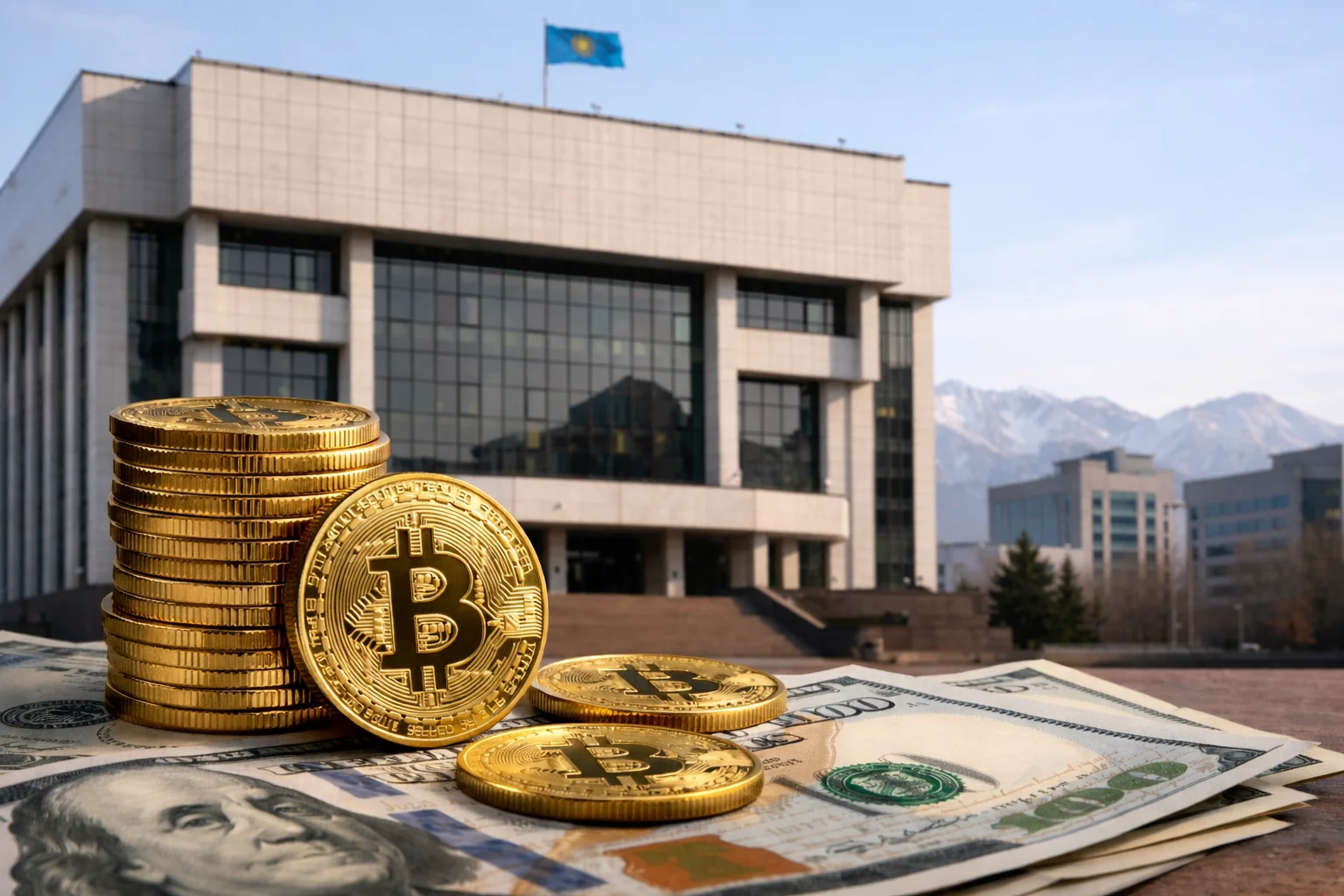
The National Bank of Kazakhstan is preparing to take a new investment step towards the cryptocurrency and digital asset ecosystem. The bank plans to invest in crypto-related assets through a portfolio created with funds allocated from gold and foreign exchange reserves, which could reach up to $350 million in size. According to information reported by Reuters, this investment program will not involve direct large-scale cryptocurrency purchases. Instead, it will focus on technology companies operating in the digital asset sector, crypto-related financial products, and index funds.Kazakhstan National Bank Governor Timur Suleimenov stated at an interest rate meeting in Almaty that work is underway to determine the investment instruments. Suleimenov emphasized that the portfolio will not consist solely of cryptocurrencies, and that financial instruments covering a broader segment of the digital asset ecosystem are being evaluated.The central bank prefers an indirect investment model in cryptoAmong the options being considered by the central bank are shares of high-tech companies operating in the crypto and digital finance sector, index funds that exhibit movements similar to the crypto market, and other financial instruments. This approach indicates that the bank prefers to pursue an indirect investment strategy in the crypto sector. The target timeframe for the start of the investments is quite near. Central Bank Deputy Governor Aliya Moldabekova announced that the investment program is planned to be launched in April or May. Moldabekova specifically emphasized that the bank does not intend to make large-scale direct investments in cryptocurrencies. The official stated that an evaluation process is currently underway to identify companies operating in the digital asset infrastructure field. This includes technology companies developing cryptocurrency infrastructure, blockchain-based financial service providers, and platforms supporting the digital asset ecosystem.Kazakhstan is among the countries aiming to take a more active role in the crypto and blockchain field in recent years. In particular, the spread of crypto mining activities in the country has shaped the government's policies towards the digital asset sector.Last June, the government brought up a plan to create a national crypto reserve to be financed with seized digital assets and coins obtained from state-backed mining activities. This plan is considered part of the country's strategy to strengthen its role in the digital asset ecosystem.In November, officials discussed the establishment of a separate crypto reserve fund that could reach a size of between $500 million and $1 billion. This fund is also planned to invest in exchange-traded funds (ETFs) and crypto-focused companies, rather than directly investing in Bitcoin or other cryptocurrencies.The current reserve size of the National Bank of Kazakhstan also shows that the country has the capacity to support such investment programs. As of February 1, the total value of the bank's gold and foreign exchange reserves is $69.4 billion. The total size of the country's national wealth fund is stated as $65.2 billion.
$2.6 Billion Worth of BTC and ETH Options Expire Today
Today, attention in the cryptocurrency markets is focused on a large derivatives contract expiry. Option contracts for Bitcoin and Ethereum, totaling approximately $2.6 billion, expire today. This development is being evaluated alongside data showing investors maintaining a cautious stance despite the recent price recovery.Bitcoin enters the expiry date above approximately $70,000, while Ethereum is trading around $2,070. The main question in the market is whether this large option expiry will create short-term price volatility.Bitcoin options make up the majority of the expiryBitcoin constitutes the majority of the option contracts expiring today. Approximately 31,700 Bitcoin option contracts have reached expiry, with a total theoretical value of approximately $2.2 billion.The put/call ratio, one of the most important indicators in the options market, is at 1.7. This ratio shows that "put" options, representing a bearish outlook, are significantly higher than "call" options, representing a bullish outlook. In other words, many investors have taken positions against the possibility of prices falling in the short term. Another important level in the Bitcoin options market is the "max pain" point, calculated at $69,000. This level represents the price at which most option contracts expire worthless and often creates a short-term pull effect on the price on expiry dates.The fact that Bitcoin's spot price is approximately $1,700 above this level raises the question of whether the price will move towards this level as the expiry time approaches. The picture is more balanced on the Ethereum sideAlthough the option expiry date on the Ethereum side is smaller compared to Bitcoin, it is still of considerable size. Approximately 192,000 Ethereum option contracts expire today, and the total value of these contracts is around $380-400 million. The put/call ratio in Ethereum options is at 0.9, meaning the market is more balanced compared to Bitcoin. The "max pain" level set for ETH is approximately $1,950, which is about $120 below the current price.The total value of open positions in Ethereum options is approximately $7.5 billion.Cautious positioning despite the riseData from the options market shows that despite the recent recovery in prices, investors are not expecting a strong rise. According to the derivatives data platform Greeks.live, the selling of call options in particular has been noteworthy in the last two days.Investors selling call options aim to earn premium income with the expectation that the price will not rise above a certain level. This is generally interpreted as a sign that confidence in the upward momentum in the market is limited.

NYSE Owner ICE Has Invested in the Cryptocurrency Exchange OKX
The lines between traditional finance and crypto markets are becoming increasingly blurred. Intercontinental Exchange (ICE), the owner of the New York Stock Exchange (NYSE), has made one of the most notable examples of this transformation by investing in the cryptocurrency exchange OKX. According to Fortune, the investment was made at a valuation of approximately $25 billion for OKX. While the financial details of the agreement were not disclosed, it was confirmed that ICE will obtain a seat on the OKX board of directors. This investment is not only a financial partnership; it is also seen as part of a broader strategy aimed at moving traditional securities to blockchain infrastructure. The parties' joint plan is to make tokenized versions of stocks and derivatives traded on the NYSE tradable through the OKX platform. Tokenization could be the new financial infrastructureThe concept of "tokenization," which is at the heart of the collaboration, is increasingly being discussed in the financial world. Tokenization means representing traditional financial assets, such as stocks, as digital tokens on blockchain networks. Proponents of this model state that it offers advantages such as reduced transaction costs and 24/7 global access to markets.According to the plans, OKX users will be able to buy and sell tokenized NYSE shares and derivatives directly through the platform. The project is targeted to be launched in the second half of 2026. Thus, the integration between cryptocurrency infrastructure and traditional financial markets can significantly accelerate.OKX's global managing partner, Haider Rafique, stated that the two institutions have achieved a strong alignment in their tokenization vision. According to Rafique, both the traditional finance and digital asset sectors will work more closely together on the same infrastructure in the future. Therefore, the partnership between the two companies is considered not only a technology sharing but also a strategic step towards the evolution of financial markets.Crypto data will be integrated into ICE infrastructureAnother important aspect of the agreement is data sharing. OKX will provide ICE with real-time price data of crypto assets traded on its platform. This data is expected to be used in ICE's data and analytics services. Thus, traditional financial institutions will be able to access more comprehensive and real-time information about crypto markets. On the other hand, OKX users will also be able to access ICE's US futures markets and tokenized NYSE assets. This represents a significant expansion for the OKX ecosystem, which has approximately 120 million users.ICE's crypto strategy is gaining momentumIntercontinental Exchange has been increasingly interested in the crypto sector in recent years. The company had previously announced that it was working on various projects to develop blockchain-based financial infrastructures. In announcements made in January, it was stated that ICE was developing its own blockchain-based transaction infrastructure for tokenized securities. In addition, the company attracted attention by announcing a $2 billion investment plan in the prediction market platform Polymarket by the end of 2025. This agreement brought Polymarket to a valuation of approximately $9 billion at that time.

Morgan Stanley selected BNY and Coinbase for its Bitcoin ETF
US-based investment giant Morgan Stanley has taken a significant step towards a new Bitcoin-focused investment product. The company has submitted a prospectus detailing the structure of its proposed Morgan Stanley Bitcoin Trust fund to the US Securities and Exchange Commission (SEC). The application, filed via Form S-1, contains important details about how the fund's Bitcoin assets will be held and how the ETF's operational structure will function. According to the application, Morgan Stanley's Bitcoin Trust fund plans to commission two major institutions for the custody of the digital assets. Specifically, Coinbase Custody and Bank of New York Mellon (BNY) will provide Bitcoin custody services for the fund. Both institutions will be responsible for securely storing the fund's Bitcoin holdings and performing the necessary transfer transactions when creating or redeeming fund shares. Custody structure compliant with institutional standardsAccording to the information in the application, Morgan Stanley has structured the fund's custody infrastructure to match the security standards used by traditional financial institutions. In this context, the majority of the fund's Bitcoin holdings will be held in offline vaults known as cold storage. Cold storage significantly reduces the risk of cyberattacks by ensuring that private keys are completely isolated from internet connectivity. This aims to protect digital assets from online attacks. However, in situations such as the creation of fund shares or investors selling their shares back, a small portion of the Bitcoins may be temporarily transferred to transaction wallets to allow for necessary transactions.The document also states that insurance is included in the custody service. However, it is noted that this insurance policy is shared with other Coinbase Custody clients and may not cover all potential losses. This is a common practice in digital asset custody services.BNY's role in the ETF is extensiveIn Morgan Stanley's planned Bitcoin ETF structure, BNY Mellon will not only provide custody services. The bank will also undertake critical tasks in the fund's management operations.BNY will act as an administrator to manage and manage the fund's management and accounting processes. It will also maintain investor records and manage transactions related to fund shares in its role as a transfer agent. The bank will also act as a cash custodian, managing cash flows related to ETF transactions.This structure indicates that a system quite similar to the institutional operational model seen in traditional ETFs will be established.It is stated that Morgan Stanley Bitcoin Trust will be designed as a passive investment vehicle. This means that the fund aims to directly track Bitcoin price movements.The fund will not use derivatives or leveraged transactions to gain exposure to Bitcoin. Instead, it will hold Bitcoin in its portfolio by purchasing it directly. Thus, investors will be able to invest in the Bitcoin price indirectly through the ETF.The fund's daily net asset value (NAV) will be calculated using the CoinDesk Bitcoin Benchmark 4PM New York Settlement Rate as a reference. This index combines trading data from major spot cryptocurrency exchanges to determine a daily reference price for Bitcoin.

Crypto exchange Kraken opens the door to the Fed: A turning point
The cryptocurrency sector has crossed another significant threshold on its path to integration with the traditional financial system. Kraken, a US-based cryptocurrency exchange, has become the first crypto company to gain access to the Federal Reserve's core payment infrastructure. According to the Wall Street Journal, the company's banking arm, Kraken Financial, received approval for a special account known as a "master account" from the Fed. This development is seen as a historic step for the sector in terms of accessing financial infrastructure, something crypto companies have been striving for for years. Thanks to this approval, Kraken will be able to transact directly with payment systems used by thousands of banks and credit unions in the US.Direct access to the Fedwire systemThe master account authorization granted to Kraken Financial allows the company direct access to the Federal Reserve's Fedwire interbank payment system. Fedwire is known as the main financial infrastructure in the US where large-scale and time-critical payments are processed between banks. This access will allow Kraken to process money transfers faster and more efficiently, especially for institutional clients and professional investors. Instead of multi-layered transactions through traditional banking channels, the company can now use the central bank's payment network directly. According to Kraken, this will allow large clients to transfer funds faster and contribute to more efficient liquidity management in the crypto markets. The acceleration of payment processes is seen as a significant advantage, especially for institutional investors who conduct high-volume transactions.On the other hand, Kraken's access does not include all the advantages enjoyed by traditional banks. The company will not be able to benefit from certain banking privileges, such as earning interest income on reserves held at the central bank. Nevertheless, many experts in the sector believe that this approval is extremely important both symbolically and structurally.A historic milestone in the crypto sectorWyoming Senator Cynthia Lummis, a crypto-friendly figure in the US Senate, described the development as a "historic turning point" for the digital asset sector. According to Lummis, the ability of crypto companies to access the Federal Reserve system could pave the way for the sector to gain a more permanent and institutional place in the financial system.Crypto companies have been attempting to gain access to the US central bank's payment systems for many years. However, these requests have mostly been rejected due to regulatory uncertainties and the banking system's cautious approach. Kraken Financial's master account verification stands out as the first example to change this picture. It is believed that this development could strengthen similar access requests from other crypto companies in the future.The crypto sector's outlook in the US has changed significantly under the Donald Trump administration. Trump openly stated his goal of making the US the "crypto capital of the world," and the appointment of regulators more welcoming to digital assets increased expectations in the sector.

Bitcoin Surpasses $71,000: What's Behind the Rise?
Bitcoin surged above $71,000 despite rising geopolitical tensions in global markets. Gaining over 6% in the last 24 hours, the leading cryptocurrency has revitalized not only the crypto market but also global financial circles. This surge is particularly noteworthy given the increased tensions in the Middle East and uncertainty in the energy market.According to market data, Bitcoin reached its highest level in about a month, surpassing $71,000 during European trading hours. During the same period, major crypto assets such as Ethereum (ETH), XRP, and Solana (SOL) also gained between 4% and 6%. Bitcoin Resilience Amid Geopolitical CrisisThis rise in Bitcoin occurred under the shadow of rising tensions in the Middle East. Iran's blocking of oil shipments through the Strait of Hormuz, a crucial transit point for global oil trade, created significant uncertainty in energy markets. The possibility of rising oil prices also brought global inflation expectations back to the forefront. Despite this, Bitcoin's price performance has shown remarkable resilience. Since the weekend when tensions between Israel and the US and Iran escalated, Bitcoin's downward movement has been limited to around $65,000. Analysts believe this could signal a shift in investors' perception of crypto assets.According to some market observers, Bitcoin is beginning to exhibit "defensive asset" characteristics, albeit limited, during times of crisis. A daily market bulletin published by Tagus Capital stated that Bitcoin is a more resilient but still high-risk alternative compared to traditional safe havens.Gold pulls back while Bitcoin takes the leadGold, which investors usually turn to during global crises, has retreated somewhat in recent days. After peaking above $5,400 at the beginning of the week, the price of gold per ounce fell to around $5,160. This shows that the classic safe haven perception in the markets can change from time to time. On the other hand, sales accelerated in Asian stock markets due to concerns about rising energy costs. While many Asian markets, including South Korea's Kospi index, declined, the crypto market saw a strong rise. Technical Outlook: Is the Accumulation Process Ending?Significant signals are emerging for Bitcoin on the technical analysis front. According to market data, the BTC price gained rapid momentum during Asian trading hours, surpassing critical technical levels. These include the 200-week exponential moving average and the 2021 all-time high of $69,000.Some analysts believe that a long-running "accumulation process" in the market may be nearing its end. According to technical analyst Lars Kooistra, Bitcoin is currently at a critical decision point. If the price remains strongly above the upper limit of the current range, a new uptrend could begin. However, in the opposite scenario, i.e., if the resistance level is rejected, a deeper correction may be possible.Other market commentators paint a more optimistic picture. Popular crypto analyst Moustache argues that Bitcoin has successfully retested its all-time high of 2021, and this could be the beginning of a new bull cycle. According to the analyst, in such a scenario, the altcoin market could follow Bitcoin and perform more strongly.

Three Bitcoin Miners Change Strategy: BTC Will No Longer Sit in Vaults
Major Bitcoin mining companies worldwide are radically revising their treasury management strategies as they enter the second quarter of 2026. Policy changes announced successively by MARA Holdings, Core Scientific, and Riot Platforms signal the beginning of a new era in the sector: Bitcoin reserves accumulated over the years are no longer being held in vaults but are being released into the market to meet operational needs and growth investments.MARA: Accumulated reserves also opened for saleMARA Holdings, which holds the most BTC among publicly traded Bitcoin miners, announced a significant strategy change in its annual 10-K report submitted to the US Securities and Exchange Commission (SEC) on Monday. The company expanded its policy, which allowed only the sale of Bitcoins obtained from mining operations in the second half of 2025, to include accumulated reserves on the balance sheet as of 2026. "In 2026, we expanded the strategy to allow for the sale of Bitcoins held on our balance sheet," said MARA, adding that from now on, it can both hold Bitcoin for long-term investment and buy and sell it according to market conditions and capital priorities. As of December 31, 2025, MARA has 53,822 BTC, with a total reserve value of approximately $4.7 billion. As part of the company's active digital asset management strategy, 28% of these reserves, approximately 15,300 BTC, have been put into use through various financial instruments. In this context, 9,377 BTC have been lent to counterparties, while 5,938 BTC have been used as collateral for a $350 million loan. Although the lent Bitcoins have provided the company with $32.1 million in interest income, the picture is not entirely bright. The company experienced a loss of $422.2 million in value throughout 2025 due to the decline in Bitcoin's market value. Moreover, a separate account of 2,000 BTC established with the asset management company Two Prime in the second quarter, encompassing structured trading and hedging strategies, generated a net trading loss of $22.1 million by the end of the year. MARA terminated this mandate in December, withdrawing the remaining 1,777 BTC; the segment recorded a total loss of $69.1 million.Core Scientific: Converting All Treasury to CashAnother major mining and data center company, Core Scientific, is taking an even more radical step. The company announced that it plans to sell all of its Bitcoin reserves throughout 2026 to finance its AI data center expansion. The majority of the sales are expected to take place in the first quarter of 2026, with the total amount expected to be around 2,500 BTC. "Throughout 2026, depending on market conditions, we anticipate converting almost all of our Bitcoin holdings to cash, increasing our liquidity, and meeting planned capital expenditures," the company stated, signaling a complete abandonment of its digital asset accumulation policy. Core Scientific, which holds approximately 2,537 BTC in reserves as of November 2025, reported this amount including both BTC in known wallets and additional revenue from mining activities. The company considered the significant revenue decline experienced last year when making this decision. In the fourth quarter of 2025, mining revenue nearly halved compared to the same period of the previous year, falling from $79.9 million to $42.2 million; the amount of BTC produced also decreased by 57 percent. Despite this, the company is attempting to build a new growth model by focusing on artificial intelligence infrastructure. CORZ shares have gained over 62 percent in value in the last year. Riot Platforms: Bitcoin Sales Become a Financing ModelRiot Platforms is following a similar path. In a statement at its fourth-quarter earnings call, the company's Executive Vice President, Jason Chung, emphasized that Bitcoin sales have now become an integral part of the company's financing strategy. Chung stated that in addition to selling Bitcoins generated from monthly production, reserves directly on the balance sheet are also being released to the market for operational needs and growth investments. The most concrete example of this strategy was the acquisition of the Rockdale facility, which was entirely financed by Bitcoin sales; approximately 1,100 BTC from the treasury was used for this $96 million deal.Riot also argues that its focus on data center development provides access to low-cost, non-diluting debt instruments, and that combining these instruments with Bitcoin sales is the most efficient financing method for shareholders. The company increased its full-year revenue by 71 percent throughout 2025, led by Bitcoin mining revenue. Riot, which ranks seventh among institutional Bitcoin holders with a reserve of 18,005 BTC, maintains a strong cash generation capacity while keeping pace with the overall transformation of the sector.

Is Bitcoin at its Bottom? VanEck CEO's Commentary on the 2026 Bear Market
VanEck CEO Jan van Eck said that the Bitcoin price is approaching its bottom. Speaking in an interview with CNBC, van Eck attributed the weak performance in 2026 to Bitcoin's four-year halving cycle and considered the current pullback a natural part of this historical structure. Key Dynamics for Bitcoin PriceAccording to van Eck, there are two key elements that determine Bitcoin's price dynamics: the limited supply of 21 million and the block reward halving that occurs every four years. This mechanism halves the amount of Bitcoin miners receive and gradually reduces the new supply in the market. The CEO recalled that in past cycles, Bitcoin rose for three years, and experienced a sharp correction in the fourth year. He emphasized that 2026 also coincides with this "fourth year". “Bitcoin rises for three consecutive years, then pulls back significantly in the fourth year. 2026 is that fourth year. Therefore, we are in a bear market. However, we are currently seeing a bottom formation,” said van Eck, noting that they interpret price movements through cyclical structures rather than complex macro narratives. Indeed, historical data shows that post-halving peaks generally occur within 12 to 18 months. The decline of Bitcoin from its peak of around $126,000 to the $60-70,000 range in the last cycle is similar to corrections in past bear markets. The on-chain analytics company CryptoQuant also previously indicated a potential bottom formation between June and November 2026 in its assessment. However, there is no complete consensus among market participants. Some analysts argue that Bitcoin has become too institutionalized to be explained solely by the halving cycle. Strong demand for spot Bitcoin ETFs, global liquidity conditions, a weakening dollar, and positive developments on the regulatory front are suggested to be more decisive factors influencing the price. On the other hand, Bitcoin has shown signs of recovery in recent days. The price rose by over 7% on a weekly basis, settling in the $68,000 range. This movement coincided with increased geopolitical tensions following the US and Israeli airstrikes against Iran. While Iran's retaliatory actions increased risk perception in global markets, Bitcoin's limited but positive divergence was noteworthy.Van Eck believes that this recovery may be partly linked to geopolitical developments. He pointed out that the use of crypto assets as a means of payment is widespread, especially in the Middle East, and stated that transfer channels outside the banking system gain importance during periods of uncertainty. He said that in a resolution process, fund movements could be made through crypto payment infrastructures instead of traditional banks.6-12 months are criticalHowever, historical examples show that bear markets generally form a permanent bottom within 6 to 12 months. A few unsuccessful attempts at upward movement are considered normal during this period. Therefore, the question of whether the current recovery is the beginning of a new bull trend or a temporary relief rally is not yet clear. The Bitcoin market is once again at a critical juncture. For those who believe in the halving cycle, the picture is familiar; for those who emphasize the weight of institutional capital, however, a new era is underway. The price reaction in the coming months will show which of these two narratives is more dominant.

Bitcoin Rises, ETF Inflows Gain Strength
Bitcoin hovered near $68,000 on the second trading day of the week, while strong inflows into US-based spot Bitcoin ETFs were noteworthy. Despite rising geopolitical tensions with Iran, demand for investment assets accelerated rather than weakened; on Tuesday alone, there was a net inflow of approximately $458 million into spot ETFs. This figure represents one of the strongest daily inflows of the quarter. Institutional Demand Remains Strong Despite Geopolitical TensionsAccording to market data, this indicates that institutional investors have recently not viewed war-related volatility as a systemic risk. While the Bitcoin price experienced sharp fluctuations following weekend headlines, fund flows showed that investor confidence was largely maintained.A similar assessment was included in a recent note published by Singapore-based trading firm QCP Capital. The company stated that approximately $300 million in long positions were liquidated following weekend events, but this movement remained "significant but limited." According to QCP, the significant reduction in positions already taken in recent weeks prevented the sudden drops from turning into a deeper sell-off. Pricing in the options market also supports this view. One-day implied volatility briefly rose to 93 percent; then quickly retreated. This reveals that investors are taking positions to hedge against short-term news flow rather than preparing for a sustained crisis scenario. The strong performance in ETFs is not limited to a single day. Over the past week, US spot Bitcoin ETFs recorded net inflows totaling $1.1 billion over three consecutive trading days. Approximately half of these inflows came from BlackRock's iShares Bitcoin Trust (IBIT) fund, one of the world's largest asset management companies. IBIT's ability to attract capital on this scale alone demonstrates continued institutional demand for Bitcoin. ETFs offer a regulated and easily accessible channel, especially for traditional finance investors. Therefore, ETF flows are considered an important indicator of overall market sentiment during periods of increased geopolitical risk. Recent data reveals that investors are not pricing in the Iran-based tension as a disruption that will shake the global financial system. The stabilization of the Bitcoin price around $68,000 also supports this picture. Despite sharp movements over the weekend, the rapid recovery suggests that the market experienced a controlled repricing rather than panic selling. The limited liquidations and the rapid retreat of volatility indicate that liquidity remains strong.

$1 Billion Turnover in Crypto Funds: Rush for BTC, ETH, SOL, XRP, and LINK
The five-week outflow from crypto investment products has finally come to an end. According to CoinShares' latest weekly report, global crypto ETPs recorded a total net inflow of $1 billion last week. This marks the end of a period of uninterrupted outflows, which had reached approximately $4 billion, and the return of capital inflows. While previous weeks highlighted weakening investor appetite and market reluctance, the latest data has reversed this trend. CoinShares Head of Research James Butterfill notes that it's difficult to explain this shift with a single macroeconomic development. According to him, the price pullback, the downward break of technical levels, and the return of large Bitcoin investors to accumulation have created opportunities for investors to take positions. Indeed, recent discussions with clients have focused less on risk reduction and more on identifying appropriate entry levels.The geographical distribution of the $1 billion weekly inflow is also noteworthy. US-based funds accounted for the lion's share with a total inflow of $957 million. Canada ($34.1 million), Germany ($31.7 million), and Switzerland ($28.4 million) were other significant markets where positive flows continued. This chart shows that capital movements are not limited to a single region, indicating a broad-based recovery. Looking at assets individually, Bitcoin has been the clear leader in the recovery. Bitcoin investment products saw weekly inflows of $881 million. Thus, the majority of total inflows went to the leading crypto asset. However, a possible $3.7 million inflow into short Bitcoin products reveals that a cautious segment still exists in the market. So, while the overall trend has turned positive, complete consensus has not yet been reached. There is also a significant improvement on the Ethereum side. Ethereum funds showed their strongest performance since mid-January with weekly inflows of $116.9 million. Despite this, both Bitcoin and Ethereum products remain in net outflow territory since the beginning of the year. There has been a total net outflow of $408 million in Bitcoin products and $430 million in Ethereum products since the beginning of the year. Although the strong inflows in the last week have reduced this gap, the picture is not yet completely positive. Solana, XRP, and LINK stand outOn the altcoin front, Solana is prominent. Solana funds, which recorded inflows of $53.8 million last week, lead altcoins with a net inflow of $156 million since the beginning of the year. XRP products showed a strong performance on a monthly basis, while Chainlink funds also saw a modest inflow of $3.4 million. Overall, there is no significant outflow wave observed in the altcoin market. All these developments occurred during a period when price performance was relatively flat. Bitcoin largely finished the week flat, while Ethereum rose by approximately 2 percent. The limited price movement indicates that demand for institutional investment products has not yet translated into a strong breakout in the spot market.

Topics Crypto Investors Should Watch Out For This Week
The new week in the cryptocurrency markets will be quite busy due to both company earnings reports and critical macroeconomic data. Financial results from Bitcoin miners, the US employment report, and geopolitical developments in the Middle East could be decisive in crypto pricing.One of the week's highlights will be the earnings report of Riot Platforms, the fourth-largest Bitcoin miner by market capitalization. The company's performance, particularly in the face of increased operational costs and volatility in the Bitcoin price recently, will be closely watched. According to FactSet data, Riot is expected to report a loss of $0.32 per share.Similarly, Core Scientific, the sixth-largest player in the sector, will also share its financial results. Core Scientific has taken significant steps to diversify its business model in recent months; leveraging its experience in operating large data centers and its strength in energy supply agreements, it has begun to expand into the field of artificial intelligence. The limited coverage of digital asset mining on the company's homepage is noteworthy. This week will reveal more clearly how much of its revenue still comes from crypto mining. On the macro front, eyes will be on the US employment data. Non-farm payrolls for February are expected to increase by 60,000, compared to a 130,000 increase the previous month. The unemployment rate and average hourly earnings are also on investors' radar. Wage increases, in particular, are critical for the inflation outlook and the Fed's interest rate path. Weak employment data could boost risk appetite; a strong picture, however, could postpone expectations of interest rate cuts, putting pressure on the crypto market.Throughout the week, the US will release ISM manufacturing and services PMI data, ADP private sector employment change, weekly jobless claims, and the Fed's Beige Book report. Manufacturing PMI and inflation rate data from China, and preliminary inflation data for February from the Eurozone, will shape global risk perception. Weak data from China, in particular, could increase global growth concerns and trigger volatility in risky assets like cryptocurrencies.Geopolitical developments also influence market direction. The escalating tensions in the Middle East following US and Israeli attacks on Iran and Iranian retaliations are causing investors to remain cautious. While statements suggest the conflict could last for weeks, a possible early ceasefire could revive risk appetite in global markets. The crypto ecosystem is also activeThere are many developments in the crypto ecosystem, both technical and governance-focused.SuperRare will release artist Xer0x’s new NFT collection, Delirium, on March 2.MANTRA will upgrade its chain from v6 to v7, with the OM token transitioning to MANTRA following a 1:4 coin split.Qubic will begin testing parallel Dogecoin mining alongside AI training.SolCex will launch its mobile application on Google Play and Apple’s App Store.Uniswap DAO is voting to expand v2 and v3 protocol fees to eight layer-2 networks and introduce a new tiered fee structure.ENS DAO is voting to replace DNSSEC oracle algorithms to address a critical RSA signature forgery vulnerability.GMX DAO is considering a transition to a defined leadership model, including hiring a CEO with performance-based compensation.Ethena will unlock 2.24% of its circulating supply, worth approximately $18.35 million in ENA tokens.Hyperliquid will unlock HYPE tokens valued at roughly $288.7 million.

Middle East Tensions Shake Markets: How Are Cryptocurrencies Affected?
The armed conflict that erupted between the US and Iran over the weekend deeply shook global markets; cryptocurrencies also felt the impact. Bitcoin, trading around $65,500 as of March 2, 2026, briefly rose above $67,000 during the Asian session before falling back. Ethereum, meanwhile, dropped 2.2%, falling below $1,971. The events were triggered by a joint US-Israeli airstrike against Iran, in which, according to reports, Iran's Supreme Leader Ali Khamenei was killed. The rest of the weekend saw significant market turmoil; Bitcoin fluctuated between $63,000 and $66,000. However, because cryptocurrency markets remained open while traditional exchanges were closed, they were the first to reflect investors' risk-aversion tendencies. As the crisis continued to escalate, Iran expanded the scope of its retaliation in the region. According to open-source intelligence accounts, Tehran launched missile attacks on American assets in Bahrain, Kuwait, and the UAE. Furthermore, it was reported that Saudi Aramco's Ras Tanura refinery, the world's largest oil producer, was also targeted. Meanwhile, Israel continued its airstrikes against Hezbollah positions in Lebanon. Gulf states stated they reserved the right to retaliate, while US President Donald Trump announced on his Truth Social account that "revenge will be taken" for the American soldiers who lost their lives. Oil prices, meanwhile, surged sharply. Brent crude was trading above $78 per barrel at the time of writing, up seven percent. Gold also rose 1.9 percent to $5,381 per ounce. According to analysts, oil remains the most critical transmission channel for geopolitical shocks to impact cryptocurrency markets. According to Rick Maeda of Presto Research, if crude oil finds a sustained foothold above $90, inflation expectations will climb, the dollar will strengthen, and global liquidity will tighten. In this environment, Bitcoin is expected to behave like a macro asset with a high beta.BTSE COO Jeff Mei pointed out that markets are particularly sensitive to security risks in the Strait of Hormuz, which carries about a fifth of global oil flow. At least three ships have reportedly been attacked near the strait. This development increases shipping insurance costs and forces cargo ships to reroute; it is assessed that this could lead to inflationary pressures that could directly affect central bank interest rate decisions.21Shares macro director Stephen Coltman summarized Iran's strategy with these words: "Tehran aims to increase the cost of the conflict to the US by disrupting the flow of oil and liquefied natural gas through the Strait of Hormuz. Wars generally have an inflationary effect; they inflate commodity prices and budget deficits together." Coltman also indicated that this scenario could hold the potential for long-term value appreciation for assets that stand out as store of value, such as Bitcoin.Despite all this chaos, the crypto markets have not shown any signs of serious systemic pressure in terms of on-chain and derivative indicators. Analysts emphasized that perpetually open futures exchanges, such as Hyperliquid, which allow for real-time price discovery through sharp price movements in oil and metal-linked contracts, may have absorbed some of the macro shock. Dominick John, an analyst at Kronos Research, said, "Crypto came under selling pressure with the liquidation of risk assets following the US-Israeli attack on Iran; however, prices quickly recovered. This once again proved the 24/7 liquidity and resilience of the crypto markets." John added that the markets will maintain high volatility until a clearer direction is determined. What's next?In the coming period, Bitcoin's trajectory seems to depend on where oil prices stabilize, the direction of US real yields and the dollar, and, most critically, whether the Iran crisis escalates into widespread financial tightening. Analysts are currently closely watching whether this weekend will remain a geopolitical headline shock or evolve into a long-term process that will reshape global macroeconomic balances.