Regulation
This page lists the latest Regulation news and market analysis. Browse articles, expert insights, and updates in this category on JrKripto. Stay informed with in-depth coverage of cryptocurrency trends and developments.
News
Regulation News
Regulation News
Browse all Regulation related articles and news. The latest news, analysis, and insights on Regulation.
Fed Meets Tomorrow: Bitcoin and Stablecoins on the Agenda
The US Federal Reserve (Fed) will hold a "Payments Innovation Conference" on October 21st to discuss the future of new technologies in the payments field. The event will discuss Bitcoin, stablecoins, and blockchain-based payment systems. This development is considered a significant turning point in the US approach to the role of digital assets within the financial system.Fed Discusses CryptocurrenciesAccording to a statement released by the Fed on September 3rd, the conference will bring together regulators, financial institutions, and technology experts on October 21st. The main themes of the event will be the intersection of traditional and decentralized finance, stablecoin use cases, the impact of artificial intelligence on payments, and the tokenization of financial products. Fed official Christopher J. Waller, who will speak at the conference's opening, said, "Innovation in payments has always existed to meet the changing needs of consumers and businesses. Now is the time to examine the opportunities and challenges of these technologies together." This statement signals a shift in the US Federal Reserve's tone toward digital assets, which it has long distanced from. Until now, Bitcoin and stablecoins were largely viewed as speculative investment instruments or elements posing regulatory risks. However, the Fed's decision to address these assets in conjunction with the future of the financial system at an official event is being interpreted as a paradigmatic shift. Clarifying the regulatory framework for the use of stablecoins in payments could pave the way for new opportunities for both financial institutions and technology companies.The crypto community sees this step by the Fed as a hope that, in the long term, digital assets will gain a more institutional footing in the US financial system. The event's agenda is not limited to cryptocurrencies. Tokenization, AI-powered payment systems, and decentralized financial infrastructures will also be among the topics to be discussed. Experts believe these issues could pave the way for the Fed's future steps in the field of digital currencies and payments. The implications regarding the oversight of stablecoins and their role in interbank payments are particularly significant for the sector. Immediately following this meeting, the Federal Open Market Committee (FOMC) meeting, scheduled for October 28-29, will be closely watched by markets. Economists predict the Fed may consider cutting interest rates at this meeting. Chairman Jerome Powell stated last month that the bank has shifted to a "more neutral policy stance." However, there is still no consensus among members on the interest rate range encompassed by "neutral."This softening of the Fed's stance on cryptocurrencies could be a turning point in terms of both regulatory clarity and institutional participation. The official discussion of Bitcoin and stablecoins within payment systems is seen as a signal that a new chapter may be opening in US policies toward digital assets.

Wednesday's Crypto Summit in Washington: 10 High-Level Figures Heading to Senate
Washington will be the heart of the crypto world this week. Executives from Coinbase, Chainlink, Circle, Ripple, Uniswap, and many other giants will sit down with Senate Democrats. The agenda is clear: defusing the political tensions that have escalated over DeFi regulation and shaping the laws that will determine the future of the crypto market.A major cryptocurrency meeting will be held in the US: All eyes are on October 22nd.The tension between the crypto industry and politics in the US is entering a new phase. Executives from leading crypto companies will meet with Senate Democrats this week to discuss market structure legislation. It's also noteworthy that the meeting follows the leak of a controversial draft regulation for DeFi (decentralized finance).According to Fox Business correspondent Eleanor Terrett, the meeting will be chaired by Senator Kirsten Gillibrand on Wednesday, October 22nd. Because the meeting is being held on US time, it is likely to be extended to the evening of Turkey time or October 23rd. Gillibrand has long been a proponent of creating a clear and balanced framework for crypto regulations. In 2023, he co-authored the "Responsible Financial Innovation Act" with Republican Senator Cynthia Lummis and spearheaded the GENIUS Act, a bill designed for the stablecoin market.Who is attending the meeting?Among those expected to attend are Coinbase CEO Brian Armstrong, Chainlink CEO Sergey Nazarov, Galaxy Digital CEO Mike Novogratz, Kraken CEO David Ripley, Uniswap founder Hayden Adams, Circle Chief Strategy Officer Dante Disparte, Ripple Legal Director Stuart Alderoty, Jito CLO Rebecca Rettig, Solana Policy Institute President Kristin Smith, and Andreessen Horowitz (a16z) Legal Counsel Miles Jennings. The meeting follows the recently leaked proposal, "Preventing Illicit Financing and Regulatory Arbitrage Through Decentralized Finance Platforms," drafted by Democrats in the US Senate. The proposal defines anyone operating in or generating revenue from DeFi protocols as an “intermediary.” It also mandates that all DeFi interfaces and non-custodial wallets require user identity verification (KYC).Another criticism of the proposal is that it grants the Treasury Department the authority to ban any protocol based on “influenced individuals or entities.” Industry representatives likened this provision to a “direct government takeover of the industry.”Jake Chervinsky, legal director of the Blockchain Association, called this approach “unprecedented and unconstitutional.” Cardano founder Charles Hoskinson similarly criticized the Democratic Party for stifling the industry with an overly statist stance.For the crypto industry, this meeting is seen as a significant opportunity to re-establish communication between the legislature and the industry. However, experts believe it is unlikely that a concrete agreement will emerge from the meeting in the short term. The political climate in Washington remains highly polarized, and crypto legislation has become an ideological battleground between the two parties. However, it's hoped that this meeting, led by Gillibrand, could spark new dialogue, particularly regarding the future of the DeFi sector and how regulatory boundaries will be drawn. The industry will be closely watching this crucial meeting on Wednesday.
Japan Greenlights Crypto: Banks' Bitcoin and Altcoin Investments on the Table
The transformation of Japan's cryptocurrency market is accelerating. The country's Financial Services Agency (FSA) is considering new regulation that would allow banks to hold Bitcoin and other similar cryptocurrencies for investment purposes.Groundbreaking regulation in Japan: Banks will be able to invest in cryptocurrenciesAccording to the Japanese newspaper Yomiuri, the Japan Financial Services Agency (FSA) is developing a regulation that would allow banks to buy, sell, and hold Bitcoin and altcoins for investment purposes. The FSA's plan would ease conservative guidelines enacted in 2020 that prohibited banks from acquiring crypto assets. The regulator aims to allow banks to buy and sell cryptocurrencies just like stocks or government bonds with the new system. However, various measures, such as strict capital adequacy rules and risk limits, are also on the agenda to ensure this freedom does not jeopardize financial stability.Discussions within the Financial System Council will determine the direction of the regulation. These discussions are expected to set upper limits on the amount of cryptocurrencies banks can hold on their balance sheets. In this way, regulators aim to balance risk management with innovation.Cryptocurrencies are quite popular in JapanThe popularity of cryptocurrencies in the country is behind Japan's initiatives. The number of individual crypto accounts in the country has surpassed 12 million, a figure that has more than tripled in the last five years. With the FSA's new approach, crypto will be defined as a "legitimate" investment vehicle within the financial system.The FSA is also considering opening the door for banks to register as crypto asset service providers. This will allow traditional banks to hold the same license as exchanges and offer investors a more secure trading environment.Stablecoin initiativeMeanwhile, as reported last week, the stablecoin initiative of three major Japanese banks attracted attention. The three major banks (Mitsubishi UFJ Financial Group (MUFG), Sumitomo Mitsui Financial Group (SMFG), and Mizuho Financial Group) aim to establish a new blockchain-based infrastructure for corporate payments and cross-border transactions. In the first phase, a stablecoin pegged to the yen will be launched, with a dollar-pegged version expected to follow later. The project will operate on a system developed by fintech company Progmat Inc. and ensure interbank compatibility through a common technical standard.The primary use of these stablecoins will be payments between large companies. Mitsubishi Corporation is planned as the first user of the pilot application. Real-world trials are expected to begin before the end of the current fiscal year.Meanwhile, the FSA is taking steps to ensure that digital asset trading is a fair market. The agency is reportedly preparing to propose legal amendments that would explicitly prohibit transactions based on non-public information. Under these regulations, those who violate this prohibition will face fines proportional to the amount of illicit profits.

Binance at the Center of France's New Audits
France's financial supervisory authority, the ACPR (Autorité de Contrôle Prudentiel et de Résolution), has tightened its anti-money laundering (AML) controls on cryptocurrency service providers operating in the country. The focus of these inspections is Binance, one of the world's largest exchanges. This process could directly impact Binance's European MiCA license application.ACPR Targets Over 100 CompaniesAccording to Bloomberg, the ACPR is currently conducting a detailed inspection of more than 100 crypto service providers registered in France. This scope includes not only major exchanges but also smaller digital asset platforms, custodians, and crypto payment infrastructures. The inspections were launched in the last quarter of last year and are still ongoing. The authority is focusing particularly on the adequacy of anti-money laundering and terrorist financing controls, the transparency of internal audit processes, and the reliability of information technology systems. ACPR officials state that all companies operating in France must achieve full MiCA compliance by the end of June 2026. Companies that fail to comply by this time will risk losing their licenses, which are valid throughout Europe.A critical period for BinanceThe most striking aspect of the audits is the return of Binance to the spotlight. French authorities identified deficiencies in Binance's compliance processes during the initial audit conducted in 2024. The company was instructed to strengthen its AML procedures, expand its internal control staff, and update its technical infrastructure.The newly launched audits are reportedly testing whether these obligations are being met. If Binance fails to complete the necessary improvements in a timely manner, its license in France could be suspended or its MiCA application could be delayed.No official statement has been released from the company yet. However, it is known that Binance is undertaking a restructuring process in line with the MiCA framework across Europe. As part of this, some of its EU operations have reportedly been restructured and new offices have been established. The European Union's comprehensive regulation of crypto-asset markets, MiCA (Markets in Crypto-Assets), entered into force at the end of 2024. With MiCA, crypto companies can now operate in all member states with a license from a single EU country. However, this requires them to undergo rigorous oversight.Key requirements of MiCA include capital adequacy, risk management, protection of client funds, and transparent reporting. French institutions such as the ACPR and AMF have assumed national oversight roles under this new regulation.Meanwhile, France stands out not only for its oversight but also for its innovations in digital asset regulation. In recent weeks, the country approved Lightning Stock Exchange (Lise) as the first fully licensed "tokenized stock exchange" under the DLT Pilot Regime.Lise combines trading and clearing operations on a single blockchain. The platform is expected to hold its initial public offering in early 2026.
Critical Warning on Crypto Regulations: “There Are Inconsistencies”
The Financial Stability Board (FSB)'s review of nearly 40 countries revealed "significant gaps and inconsistencies" in crypto asset regulations. It states that these deficiencies could pose a threat to the resilient development of the digital asset ecosystem and the overall stability of the financial system.FSA Report on Crypto RegulationThe report notes that the geographical dispersion and inconsistency of regulations, in particular, allows crypto companies to gravitate towards countries offering the most flexible regulatory frameworks. This allows these companies to establish themselves in weaker regulatory environments and subsequently expand globally. The FSB noted that the infrastructure for cross-border supervisory cooperation remains "fragmented, inconsistent, and inadequate." A separate assessment was included in a report by the European Banking Authority (EBA). That report alleged that crypto companies are "forum shopping" (i.e., seeking out EU member states with less stringent regulations). It emphasized that some companies are attempting to enter the EU by choosing regions with lower market entry barriers and weaker anti-money laundering controls.According to the FSB's findings, regulatory gaps provide an advantage to crypto firms. Companies, particularly stablecoin companies, can seek out countries with the loosest regulatory structures and use them as a base. This strategy then becomes a springboard for expansion into other markets.The report also notes that even when regulatory instruments exist, they are rarely used for "supervisory purposes" or "financial stability monitoring." This makes it difficult for regulators to timely identify potential risks in crypto markets.The EBA's report supports this view. Within the EU, it is noted that despite new regulations (e.g., MiCA and AML/CFT legislation), some companies are attempting to evade these obligations. While the EBA text does not explicitly mention company names, it warns that "some are attempting to circumvent regulatory requirements."Links to traditional finance are deepeningThe FSB report notes that large banks are now integrating stablecoins into their payment and settlement systems, giving traditional financial institutions direct exposure to the crypto ecosystem. As this linkage grows, regulatory gaps could become even greater systemic risks. It states that activities such as leveraged trading and debt-based trading are inadequately regulated in many crypto markets. The report notes that this inadequate oversight has the “potential to lead to cascading crashes during periods of market stress.”Nikolaos Kostopoulos, a development consultant, also notes that the EU’s MiCA regulation is an important step toward harmonization. However, he emphasizes that inconsistencies in implementation still benefit crypto companies and the lack of close cooperation and criminal sanctions that are truly necessary.The FSB offers eight recommendations to address the identified shortcomings. These recommendations include closing regulatory gaps, strengthening data capabilities to monitor financial stability risks, and enhancing cross-border regulatory cooperation.Nevertheless, the report points out that many regulatory efforts remain incomplete. Regulatory frameworks for global stablecoins (GSCs), in particular, remain incomplete. Even within these frameworks, implementation inconsistencies persist, leading companies to exploit these gaps.

SEC Chairman's Statement on Cryptocurrency: 'Number One Priority'
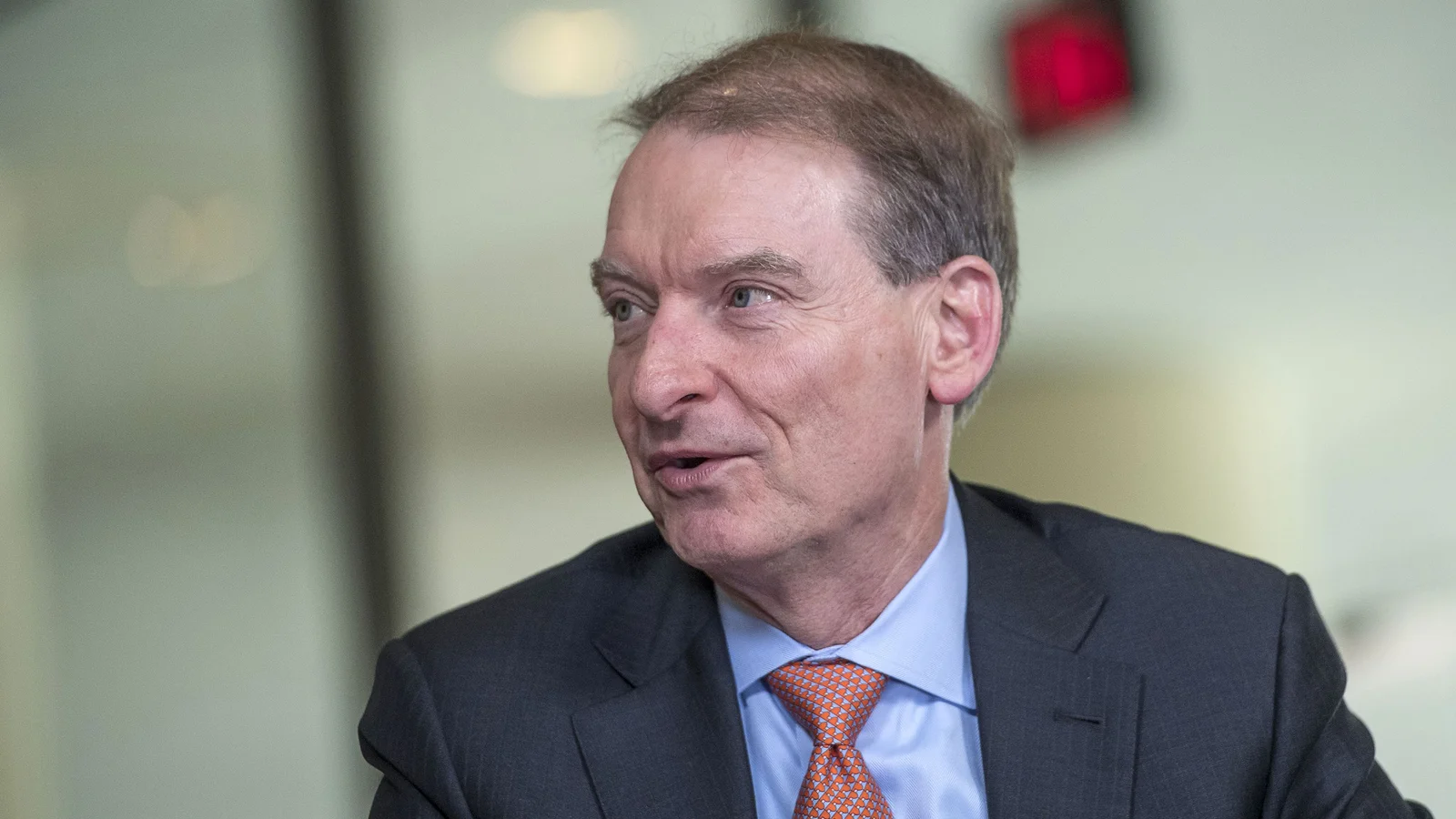
SEC Chairman Paul Atkins, speaking at the DC Fintech Week event in Washington, DC, described the cryptocurrency and tokenization sectors as the agency's "top priority." Atkins emphasized the need to establish a clear, long-term regulatory framework that supports innovation in the crypto industry. "We want to establish a strong framework for innovation to thrive; we need to attract entrepreneurs who have fled America back here," he said. He added humorously, "You can now think of us as the Securities and Innovation Commission."SEC Chairman Issues Statement on CryptocurrenciesAtkins's statements were interpreted as a sign of a significant shift in the SEC's approach to crypto. Atkins, who took office in April, is moving away from the "regulation through litigation" approach of his predecessor, Gary Gensler. During Gensler's tenure, the SEC had argued that most crypto assets should be considered securities and filed harsh lawsuits against major companies like Binance, Coinbase, and Ripple. This approach was frequently criticized by the industry as a policy that "stifled innovation." Atkins, on the contrary, aims to introduce clear and predictable rules that encourage development in the crypto and blockchain space. In June, he discussed a new regulatory model he called the "innovation exemption." Atkins stated that this exemption would allow blockchain-based products and services to be brought to market more quickly and could be implemented by the end of the year.At DC Fintech Week, he further elaborated on this idea, discussing a system he calls a "super-app." He explained that this system could bring different regulatory agencies involved in crypto under a single digital umbrella. "You shouldn't have to register separately with agencies focused on the same goal," he said, outlining his intention to reduce bureaucratic burden. This vision aims to simplify regulatory processes and establish a more transparent and accessible financial structure on blockchain.Atkins also stated that distributed ledger technology (DLT) is the most exciting aspect of the crypto industry. In his view, this technology has the potential to transform the fundamental structure of the financial system.Meanwhile, the SEC is currently operating under limited operating conditions due to a government budget dispute. Congress's failure to reach a funding agreement has forced the SEC, like many other federal agencies, to operate with limited personnel. The agency operates with a small staff that can only respond to emergencies.Atkins's tenure as president also coincides with internal transparency debates. Allegations that some past messages were accidentally deleted have raised questions about information security and recordkeeping.Amidst these developments, Atkins emphasized a more lenient regulatory approach. He stated that companies will now be issued warnings rather than direct penalties for technical violations. This policy change represents a shift away from the "first lawsuit, then explanation" approach of the past.The SEC has also launched a new initiative called "Project Crypto." This project aims to establish clear rules for crypto companies, update token classifications, and streamline compliance processes. This framework aims to balance both investor protection and innovation.Atkins's approach could re-establish trust in crypto in the US. Clear rules and a fair regulatory structure are a welcome signal to entrepreneurs who have long complained of uncertainty. However, for this transformation to be permanent, both congressional support and structural reforms within the SEC are required.
Russia Grants Banks Limited Authority for Crypto Transactions
The Central Bank of Russia is preparing to allow banks in the country to conduct cryptocurrency transactions. However, this step does not imply comprehensive liberalization. The Central Bank plans to impose strict capital restrictions and high collateral requirements on institutions that will work with crypto assets.Cryptocurrency Development in RussiaSpeaking at the Finopolis fintech forum, First Deputy Governor of the Central Bank of Russia Vladimir Chistyukhin said that the institution maintains a cautious stance towards decentralized assets like Bitcoin, but that it is unrealistic for banks to completely stay away from this market. Chistyukhin said, “We are conservative and are discussing the appropriateness of including crypto on banks' balance sheets. However, after discussions with the sector, we concluded that completely excluding banks from this area would be unreasonable.”However, the Central Bank will impose strict restrictions to prevent banks from becoming overly dependent on crypto assets. It is stated that banks can allocate a maximum of 1 percent of their total capital to cryptocurrencies and will also be subject to high reserve requirements. This step aims to prevent digital assets from becoming the primary activity in the banking sector. Among Moscow's financial authorities, the Central Bank has long held the most aloof stance toward the free circulation of cryptocurrencies. However, pressure from Western sanctions, the instability of the ruble, and restrictions in international payment systems are forcing Russia to develop alternative financial channels.Accordingly, an "experimental legal regime," which entered into force in early 2025, allowed companies to make payments with crypto assets in international trade. This system only covers a limited segment defined as "high-quality investors." To be included in this group, individuals must have assets of at least 100 million rubles (approximately $1.2 million) in banks and securities and an annual income of at least 50 million rubles ($600,000).The Central Bank of Russia is working with the Ministry of Finance to finalize these criteria. A new draft regulation for banks is also being prepared. This regulation will set capital limits for crypto transactions, as well as standards for risk management and reserve holdings.Chistyukhin stated that they want a comprehensive law covering crypto investments to be enacted by 2026. This law will establish a licensing system for companies offering crypto services. Following the law's enactment, the first licensed crypto brokerage firms are expected to begin operations by the end of the same year.Central Bank Governor Elvira Nabiullina also supported her colleague's call, stating that the relevant draft law will soon be submitted to the State Duma. "We hope that a law regulating all aspects of crypto investments will be adopted in 2026," Nabiullina said.

DeFi Bill Crisis in US Senate: Document Leaks Rattle Crypto Industry
The ongoing debate in the US Senate over cryptocurrency regulation has been reignited by Democrats' new bill for decentralized finance (DeFi). Leaked documents reveal Democrats' plan to "subject DeFi to stricter oversight," while industry representatives have warned that the bill would "de facto ban DeFi."Income from DeFi platforms in the spotlight in the USAccording to Politico, the proposal would require all individuals and organizations generating income from the front-end of a DeFi platform to register as brokers with the Securities and Exchange Commission (SEC) or the Commodity Futures Trading Commission (CFTC). The bill contains broad definitions that could include wallet developers, oracle operators, and even node operators, along with DeFi interfaces, under the scope of the regulation. Some major DeFi coins are listed below: Blockchain Association CEO Summer Mersinger stated that this proposal would effectively ban "decentralized finance, wallet development, and innovative applications" in the US. According to Mersinger, "this language is far from enforceable" and could ultimately shift the center of innovation away from the US, as it would "drive responsible developers abroad."According to the Democrats' counterproposal, the Treasury Department would create a "restricted list" of DeFi protocols deemed "too risky." Protocols included on this list would be restricted from access by US citizens, and users who generate regular income through these protocols could face criminal penalties. Furthermore, Know Your Customer (KYC) rules would be mandated for frontends of DeFi applications and even non-custodial wallets.The Republican party suspended negotiations, stating that this counterproposal was "a convoluted and ill-intentioned policy proposal that lacks even legislative text." Catherine Fuchs, the Republican director of the Senate Banking Committee, stated in a statement that "talks have been halted until an agreed-upon date is set."Crypto industry reacts stronglyLeading figures in the crypto industry also reacted strongly to this development. Coinbase CEO Brian Armstrong called the proposal a "bad plan," saying, "It would prevent the US from becoming a leader in crypto finance and set innovation back years." Uniswap founder Hayden Adams argued that such a law would "kill DeFi in the US." Variant's legal director, Jake Chervinsky, described the draft as "unprecedented, unconstitutional government intervention." According to experts, if this proposal goes into effect, US-based DeFi liquidity could be significantly reduced. According to Newhedge data, US exchanges currently account for only 10% of global crypto trading volume. Such regulations could lead to a complete shift of liquidity to unregulated territories and a loss of competitiveness in the American market. Bipartisan negotiations in the Senate were already fragile. The draft "Responsible Financial Innovation Act," released in September, aimed to transfer oversight of spot crypto markets to the CFTC, limit the SEC's authority, and provide legal protections to DeFi developers. However, the Democrats' new proposal appears to have completely shaken this grounds for compromise.While Democratic Senator Ruben Gallego stated that his party is "ready to work," Republicans dismiss this approach as "political maneuvering." For now, bipartisan cooperation on crypto regulations has reached a standstill, and the general sentiment within the industry is pessimistic. If the parties cannot agree on a joint bill by the end of the year, another prolonged period of uncertainty regarding US crypto legislation appears likely.
The US Treasury is preparing to relax corporate crypto tax rules.
According to crypto journalist Eleanor Terrett, the US Treasury Department is preparing to make a significant change to corporate crypto tax regulations, which have long been a source of controversy. Under the Corporate Alternative Minimum Tax (CAMT), which took effect during the Biden administration, large companies were required to pay a tax rate of at least 15% on their financial statement income. However, existing accounting standards were putting companies in a difficult position, especially when valuing digital assets like Bitcoin.The Financial Accounting Standards Board (FASB) requires crypto assets to be accounted for using the "fair value" method. This means that companies must reflect fluctuations in the market price of Bitcoin they hold as profits or losses on their balance sheets, even if they haven't been sold. Therefore, while unrealized gains on stocks are tax-exempt, the possibility of Bitcoin gains being taxable has been raised. This could create billions of dollars in additional tax burdens for many institutional investors, especially Michael Saylor's company, Strategy, which holds approximately $73 billion in Bitcoin reserves. Companies holding the largest Bitcoin reserves. Industry leaders Coinbase and Strategy have taken a united stand against this regulation. A joint letter sent to the Treasury in May stated that treating digital assets differently than traditional securities is unfair. The letter also emphasized that taxing unrealized profits could force companies to sell Bitcoin simply to pay taxes, creating selling pressure in the market and putting US companies at a disadvantage in international competition. Some experts even pointed out that taxing "non-existent income" could pose constitutional problems.The issue has become increasingly prominent in recent months with the steps taken by the US Congress and the Trump administration regarding digital asset taxation. Crypto taxation will also be discussed at a hearing today by the Senate Finance Committee. These developments have influenced the Treasury Department's push to soften the controversial regulation.A Great Relief for Institutional InvestorsThe anticipated change represents a significant relief for institutional crypto investors. Publicly traded companies, in particular, who hold large amounts of Bitcoin on their balance sheets, will be able to manage their assets in line with their long-term strategies without selling pressure. Experts state that the US is trying to integrate crypto into the financial system more fairly with this step, but the impact of the final decisions on the markets will become clear in the coming months.
SEC Greenlights Crypto: State Trusts Grant Custody Authority
The U.S. Securities and Exchange Commission (SEC) has made a significant decision regarding digital assets. In a no-action letter, the agency announced that investment advisors can use state-licensed trust companies as "qualified custodians." This decision paves the way for institutional investors to store crypto assets like Bitcoin and Ethereum more securely and legally. A Solution to Long-Term UncertaintyFor years, one of the biggest challenges for investment advisors has been the uncertainty surrounding which institutions can hold digital assets. Traditional regulations have deemed only large federal banks and certain large corporations authorized for custody. The SEC's new approach allows state-licensed trust companies to offer the same custody services, provided they meet strict oversight and security requirements.This step allows advisors under the Investment Advisers Act of 1940 to hold crypto assets under regulated conditions, just as they do with cash and securities. However, companies must adhere to strict requirements such as cold storage, independent auditing, cybersecurity measures, and the separation of client assets from company funds.Initial Industry ReactionsBloomberg Intelligence analyst James Seyffart described the decision as "a textbook example of the clarity expected for the digital asset space." According to Seyffart, the industry has long been demanding this recognition. In the US, banks were indirectly pressured to limit their services to crypto companies in recent years during a process known as "Operation Choke Point 2.0." This new decision demonstrates a softening of the regulator's approach and their intention to integrate crypto into the financial system in more structured ways.Some states, such as Wyoming, had already pioneered similar regulations for crypto assets years ago. Senator Cynthia Lummis welcomed the SEC's move in a social media post, saying, "Wyoming was a pioneer in digital asset oversight in 2020. It's gratifying that the SEC has recognized this approach at this point." New Opportunity for Bitcoin and EthereumThe decision could facilitate institutional investors' access to cryptocurrencies. Bitcoin's positioning as "digital gold," in particular, is further strengthened by this development. Considering that gold is already a standard asset class in regulated funds, a similar inclusion of Bitcoin and Ethereum in portfolios seems more likely.Once the "custodial uncertainty," one of the biggest obstacles for institutions, is eliminated, investment funds and advisors are expected to be more comfortable investing in Bitcoin and Ethereum. This could, in the long run, contribute to accelerating ETF approvals, diversifying institutional strategies, and increasing market confidence.The SEC emphasized that the published letter is not a formal change in the law, but merely reflects the agency's current "enforcement position." Therefore, the decision is subject to revision if circumstances change in the future. Investment advisors are required to disclose risks to their clients and confirm annually that their custodian is authorized.
MASAK Gains Authority to Freeze Cryptocurrency Accounts
New regulations closely related to the cryptocurrency market are under development in Turkey. According to Bloomberg, the government is working on a draft law that would grant the Financial Crimes Investigation Board (MASAK) the authority to freeze bank and crypto accounts. The bill aims to strengthen the fight against money laundering and financial crimes while also maintaining Turkey's compliance with international financial standards.MASAK will have authority over accounts on cryptocurrency exchangesAccording to the draft, MASAK will not be limited to banks; it will also have the authority to close suspicious accounts, set transaction limits, or blacklist crypto wallets at electronic money institutions, payment systems, and cryptocurrency exchanges. This will allow the board to instantly stop suspicious fund movements and take on a more effective role in preventing the financing of illegal activities.One of the areas the regulation focuses on is the recently increasing practice of "rental accounts." In this method, criminal organizations pay individuals and use their bank or crypto accounts for activities such as illegal betting and fraud. The new law aims to quickly identify and close such accounts.The Financial Action Task Force (FATF), of which Turkey is a member, removed the country from its gray list in June 2024. The new bill is considered a step towards ensuring continued international compliance within this framework. The Ministry of Treasury and Finance is also reportedly working on regulations that will require crypto exchanges to collect more detailed information about user transactions and restrict stablecoin transfers.From a crypto market perspective, these developments mean stricter oversight and compliance obligations. Millions of people in Turkey currently trade crypto assets. According to the Global Crypto Adoption Index published by Chainalysis, Turkey ranks 14th globally. The ongoing depreciation of the Turkish lira since 2018, in particular, has driven citizens to alternative investment and savings instruments. Dollar-pegged stablecoins and Bitcoin have become stores of value for many investors.The figures are striking to illustrate the lira's depreciation. In 2020, one Bitcoin was worth approximately 100,000 TL, but today this figure has surpassed 4.6 million TL. This clearly demonstrates both the global appreciation of Bitcoin and the sharp decline of the lira over the years.Consequently, the draft law appears poised to impose new rules on the crypto ecosystem in Turkey. Expanding the powers of the Financial Crimes Investigation Board (MASAK) could strengthen the state's grip on money laundering and illicit financial activities while also creating a stricter oversight environment for investors. While crypto adoption continues to grow rapidly, users will need to adapt to stricter regulations going forward.

SEC Puts Brakes on Company That Announces Bitcoin, Ethereum, and Solana Acquisition
The U.S. Securities and Exchange Commission (SEC) temporarily suspended trading in QMMM Holdings shares on September 29th following extraordinary price fluctuations. The Hong Kong-based company's announcement that it would create a $100 million cryptocurrency treasury sent its share price soaring; the shares quickly gained over 1,000%, catching regulators' attention.QMMM on SEC's radar: "Suspicious market activity" warningQMMM is traded on Nasdaq through a Cayman Islands-based holding company. The company's announcement of a large-scale investment in Bitcoin, Ethereum, and Solana has generated strong demand from individual investors. Analysts believe this development further demonstrates how the diversification of traditional companies into cryptocurrencies can cause sharp market volatility.The SEC announced that QMMM shares have been suspended until October 10th. The institution stated that manipulations made by "unidentified individuals" on social media unusually inflated share volume and price, increasing the likelihood of creating artificial demand. QMMM's shares, which were below $12 at the beginning of September, skyrocketed to $200 in the last week of the month. Experts say this scenario is reminiscent of manipulation tactics known as "pump and dump." The SEC and other US financial regulatory agencies (especially Finra) note that similar situations have increased recently, with unusual trading observed in some company shares ahead of crypto asset announcements.Investors are uneasy, the company remains silentQMMM has yet to issue an official statement. The company's shift from digital advertising to crypto assets earlier this year was interpreted as the first step in a strategic transformation. However, uncertainty prevails among investors following the trading halt.Market analysts suggest that such developments could temporarily curb the trend of institutional crypto treasury. The shift towards cryptocurrencies by mid-sized companies quickly creates significant individual buying waves; However, this also accelerates regulatory scrutiny.Institutional crypto adoption on the riseDespite this negative outlook, institutional crypto adoption continues to grow. According to current data, approximately 200 publicly traded companies worldwide hold over $112 billion in digital assets on their balance sheets. These companies' Bitcoin reserves exceed 1 million BTC, representing 4.7% of the total supply. Companies' total holdings of altcoins like Ethereum and Solana have also surpassed $10 billion. Analysts agree that while the QMMM example may create uncertainty in the short term, it will likely increase the use of cryptocurrencies in corporate treasuries in the long term. In addition to Bitcoin and Ethereum, alternatives like Solana are also expected to gain a greater presence in institutional portfolios.While the SEC's temporary trading ban on QMMM has caused market volatility, institutional interest is expected to remain strong. With tightening regulatory oversight in the coming period, companies may be required to conduct their crypto investments in a more transparent and controlled manner.
Historic Step from CFTC: Stablecoins Can Now Be Used as Collateral
The Commodity Futures Trading Commission (CFTC), the US derivatives regulator, has launched a new initiative to allow stablecoins to be used as tokenized collateral.CFTC Issues Critical Decision on StablecoinsCaroline Pham, the commission's interim chair, has long advocated for stablecoins as a "killer app" in collateral management. In a statement, Pham stated that they will work closely with the industry and aim to develop policies that will enable the use of tokenized assets like stablecoins as collateral.Last year, Pham proposed a similar regulatory "sandbox" idea and advocated for pilot programs for stablecoin-supported tokenization. Now, due to the lengthy and controversial confirmation process for Brian Quintenz, nominated by President Donald Trump, Pham has taken the initiative as interim chair.Stablecoins are now covered by the GENIUS Act, the first comprehensive legislation regulating the stablecoin market in the US, passed last summer. These dollar-denominated digital assets form the backbone of liquidity in crypto markets and play a critical role in smart contract-based financial transactions. The CFTC's latest statement also included messages of support from executives at Circle, Coinbase, and Ripple.As part of the new initiative, the agency has begun collecting written comments from market participants. Participants have until October 20th to submit their comments. Last year, the CFTC's Global Markets Advisory Committee (GMAC) also recommended expanding the use of non-cash collateral through distributed ledger technology in its advisory report.Market experts believe the use of tokenized collateral in derivatives contracts could offer significant advantages. Jack McDonald, Vice President of Ripple Stablecoin, argued that this approach could increase efficiency and transparency, and that collateral would make risk management in derivatives contracts more reliable. Collateral is critical for securing the obligations of parties in futures or swap agreements.This step by the CFTC is considered a significant step toward modernizing capital markets in the US. In particular, the President's Working Group's report published last year called for the inclusion of tokenized non-cash collateral in the regulatory margin system.Caroline Pham believes these initiatives could spark a new wave of growth in the US economy. According to Pham, markets will be able to use capital more efficiently and support economic growth thanks to tokenized collateral. She also emphasized the sector's readiness for this transformation, stating, "The public has spoken: tokenized markets are here and represent the future."You can see the largest stablecoins in the table below:
White House Crypto Council Sets Date for Regulatory Package
Patrick Witt, Executive Director of the White House Cryptoassets Advisory Council, announced that he expects the comprehensive regulatory package regarding crypto market structure in the US to be enacted before the end of 2025. Witt said they are working in coordination with the House of Representatives and the Senate to ensure the regulation reaches President Donald Trump's desk as quickly as possible.Speaking at the Impact conference of Korea Blockchain Week 2025, Witt said, "We are clearing the bottlenecks in the process, acting as arbitrators when necessary, and respecting the process. We are optimistic that we will complete it by the end of the year." According to Witt, the goal is to establish a clear framework to attract crypto companies back to the US and ensure the sector's domestic development.Legal Framework Becoming ClearerThe regulatory package, dubbed the "crypto market structure bill," is a consolidation of several bills prepared in different stages. One of the most prominent is the Republican-led CLARITY Act, which passed the House of Representatives with bipartisan support in July. Earlier this month, Senate Republicans introduced another bill, the Responsible Financial Innovation Act. The primary goal of these initiatives is to establish a comprehensive regulatory framework for digital assets. One of the most critical issues is determining which agency will be responsible for regulating crypto assets. The bills aim to clarify the division of authority between the Securities and Exchange Commission (SEC) and the Commodity Futures Trading Commission (CFTC).The legislative initiative builds on the GENIUS Act, passed in the first half of the year. This legislation, by establishing ground rules specifically for stablecoins, was a milestone for the sector.“The US is open to crypto”Witt also emphasized the White House’s desire to bring digital asset companies back into the country: “The US is open to business, and we are advancing full speed in crypto. We are working to bring back companies that had moved abroad with the steps taken by the previous administration.”Witt stated that the White House Crypto Council is available to companies operating in the sector at any time, saying, “It is crucial for us to engage directly with innovators so we can make the right and positive decisions. When we meet with them, we can see the real situation on the ground more clearly.” Harry Jung, vice president of the Council, similarly emphasized that establishing contacts with entrepreneurs will accelerate the regulatory process.The US's long-awaited establishment of a legal framework for crypto assets could serve as a guide for global markets. The regulations, expected to be passed by the end of the year, are seen as a critical turning point for the sector.
SEC Announces New Rule for Crypto ETFs: Deadline Reduced to 75 Days
The U.S. Securities and Exchange Commission (SEC) has approved new rules that significantly accelerate the listing process for crypto exchange-traded funds (ETFs). By adopting the "generic" listing standards of Nasdaq, NYSE Arca, and Cboe BZX, the regulator has paved the way for spot crypto and other commodity-based ETFs to enter the market without the months-long wait for individual 19b-4 filings. According to Reuters, this step shortens the approval process from a maximum of 240 days to a minimum of 75 days. In a document released on Wednesday, the SEC noted that the decision was made through accelerated approval "before the 30-day public comment period expires." The agency emphasized that the amendments submitted by the exchanges clarify definitions and include technical corrections that do not change the substance of the proposal.The new framework authorizes exchanges to list products with "generic standards" that meet certain criteria under Rule 14.11(e)(4), which governs Commodity-Based Trust Shares. This eliminates the need for a separate 19b-4 filing for each product, allowing for market launch in as little as 75 days. According to The Block, the expedited approval will significantly shorten the processing time for the numerous pending crypto ETF filings.This development opens the door to ETFs based on assets other than Bitcoin and Ethereum. Reuters notes that products indexed to major altcoins like Solana and XRP could arrive in the first wave, while the market could see new launches as early as October. Industry representatives believe the decision represents a turning point for digital asset products in the US by sidelining the "dual application and long waiting period" system.SEC Chairman Paul Atkins stated that the approval "maximizes investor choice, encourages innovation, and reduces barriers to accessing digital asset products in the US's trusted capital markets." Internal dissenting opinions noted that expediting the authorization of spot crypto ETPs through exchange rules could have broader implications than previous practices. On the same day, the SEC also announced the listing and trading approval of the Grayscale Digital Large Cap Fund. The fund's composition is primarily Bitcoin (~80%) and Ethereum (~11%), while Solana, Cardano, and XRP are all in the portfolio with single-digit percentages.What will change?The new model allows exchanges to quickly list products that meet predefined criteria under the "general standard." This allows products that meet technical compliance to begin trading quickly, rather than filings bogged down in application-comment-extension cycles. This could increase product diversity, broaden institutional and retail investors' access to crypto assets through regulated channels, and reduce cost and time pressures on the part of the companies applying.What are the risks?The increased speed requires the seamless implementation of custody-sharing agreements, market integrity, and custody processes. Unless the legal and operational infrastructure is in place, objections and requests for additional clarification may arise during the "fast approval-fast launch" process. Still, market players are of the view that the current roadmap could “open the market widely.”