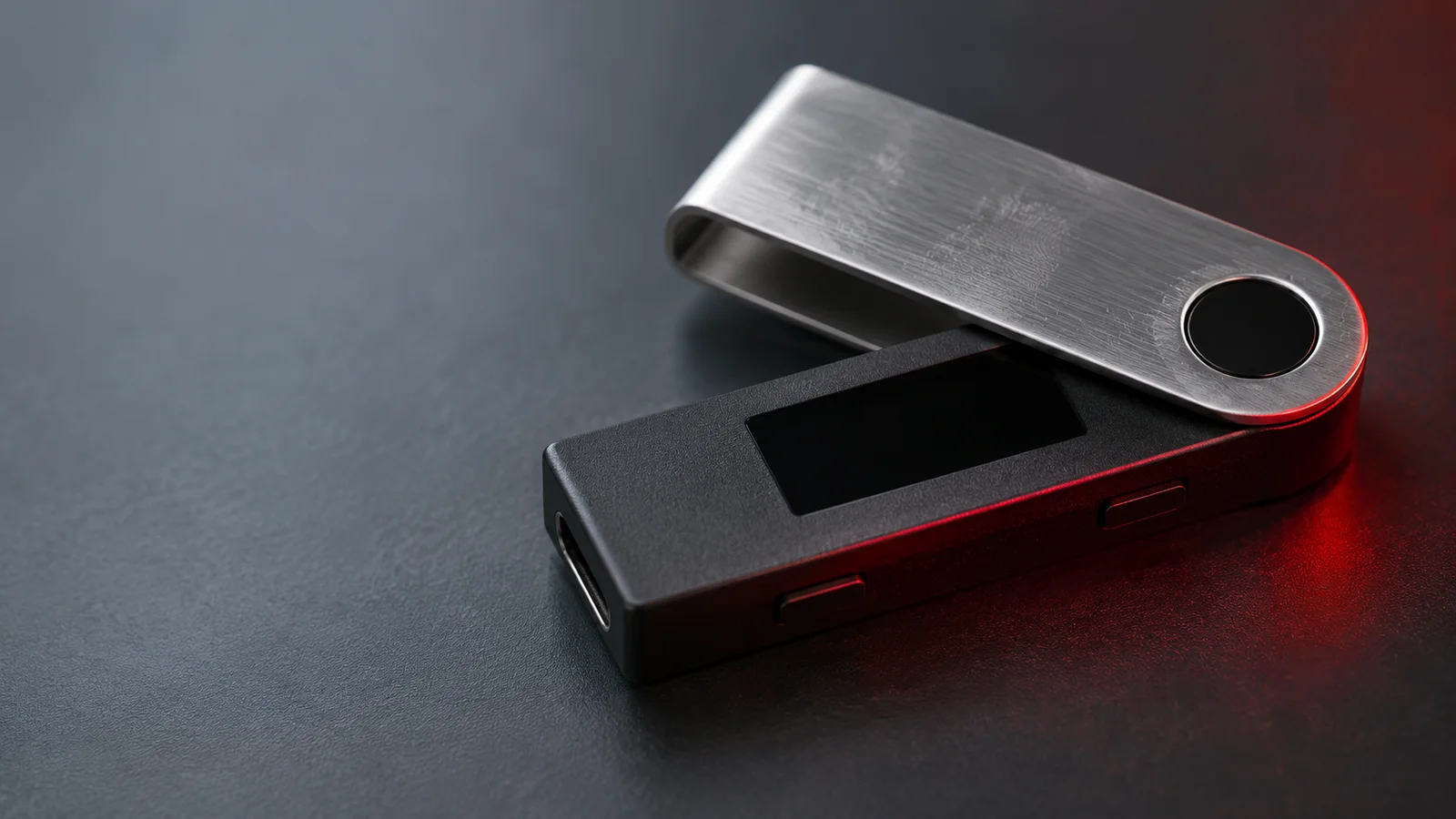
Cryptocurrency hardware wallet maker Ledger has expanded its investigation into reports of physical device tampering. In a November 18 update, the company said it had identified tampered devices in Berlin and was investigating reports involving two devices in Dubai.
The incident, first uncovered in Southeast Asia, involves attackers installing hidden components inside devices to capture users’ recovery phrases. Ledger said it had found no confirmed cases involving devices purchased directly from its website.
Ledger investigation expands to Berlin and Dubai
Ledger’s update shows that the distribution-chain attack disclosed in October is now under investigation in additional regions. The company said all confirmed devices showed the same type of physical modification and that it considers the new findings part of the existing investigation.
In Germany, the investigation focuses on a small number of devices in Berlin. As a precaution, Ledger urged customers who purchased devices in the city from January 2026 onward to contact its support team.
In the United Arab Emirates, the company is investigating reports involving two devices in Dubai. It is working with distribution partners to determine how those devices entered sales channels.
The confirmed findings in Berlin should therefore be distinguished from the ongoing investigation in Dubai.
The investigation in Southeast Asia also produced a new finding. Ledger confirmed that one Nano Gen5 was among the affected devices and said additional devices could be identified as the investigation progresses.
Attackers target recovery phrases
According to Ledger, attackers opened genuine devices before they reached customers and installed custom hardware inside them. They then returned the devices to reseller distribution channels.
The hidden components are designed to capture recovery phrases displayed during wallet setup. These phrases allow users to restore access to their wallets, so their theft can put users’ funds at risk.
The company issued its first detailed statement about the incident on October 15. While that announcement focused on distribution channels in Southeast Asia, the November update expanded the investigation’s geographic scope.
Ledger maintains that the findings do not stem from a vulnerability in its secure chip or operating system. According to the company, the tampering occurred during the final stages of distribution.
The investigation therefore includes a review of sales and distribution records alongside technical examinations of suspicious devices.
Ledger warns against using suspected devices
In its official statement, Ledger advises users who suspect their devices have been tampered with against using them to create or restore a wallet. It also recommends that users avoid opening or modifying the devices themselves.
The company advises moving potentially exposed funds to a new wallet created on a trusted device. It stresses that users should not reuse their existing recovery phrase or passphrase, as a tampered device could capture both.
Ledger also asks users to report suspected incidents to local authorities and contact its official support team. It reiterates that support staff will never ask users for their 24-word recovery phrase.
Ledger has not confirmed reported losses
User reports and on-chain analysis have produced different estimates of the financial impact. Bitquery reported identifying approximately $1.68 million in losses linked to 16 wallets in Dubai and Berlin.
Ledger has not officially confirmed that loss estimate. Reported financial losses and the company’s confirmed device findings therefore carry different levels of certainty.
The investigation continues into how the devices were modified, which sales channels they passed through and how many customers received them.