DTCC, one of Wall Street’s most critical infrastructure institutions, will use Chainlink infrastructure for its blockchain-based collateral management platform. The move extends the previous collaboration between the two companies into one of the core risk management areas of financial markets.
The Depository Trust & Clearing Corporation announced that its Collateral AppChain platform will use Chainlink’s Runtime Environment technology and data standard. The platform is designed to support pricing, valuation, margin calculations, collateral optimization and settlement processes.
DTCC’s new system runs on a Besu-based blockchain network. The goal is to enable asset tokenization and near real-time collateral management around the clock.
Collateral management moves to blockchain on Wall Street
In today’s collateral systems, assets are often spread across different institutions, account structures and time zones. This setup makes it harder to move collateral quickly, especially during periods of market stress.
DTCC’s Collateral AppChain project aims to reduce this problem. The platform enables assets used as collateral to be tokenized and allows certain operational processes to be automated through smart contracts.
As a result, collateral is expected to move faster across both traditional financial markets and blockchain networks. The system stands out with its goal of creating a more flexible collateral structure that can operate 24/7 across global markets.
Nadine Chakar, global head of digital assets at DTCC, said tokenization and distributed ledger technology will be used to modernize collateral mobility. According to Chakar, the aim is to provide 24/7, near real-time collateral management across global markets and blockchain networks.
Chainlink will provide the data and coordination layer
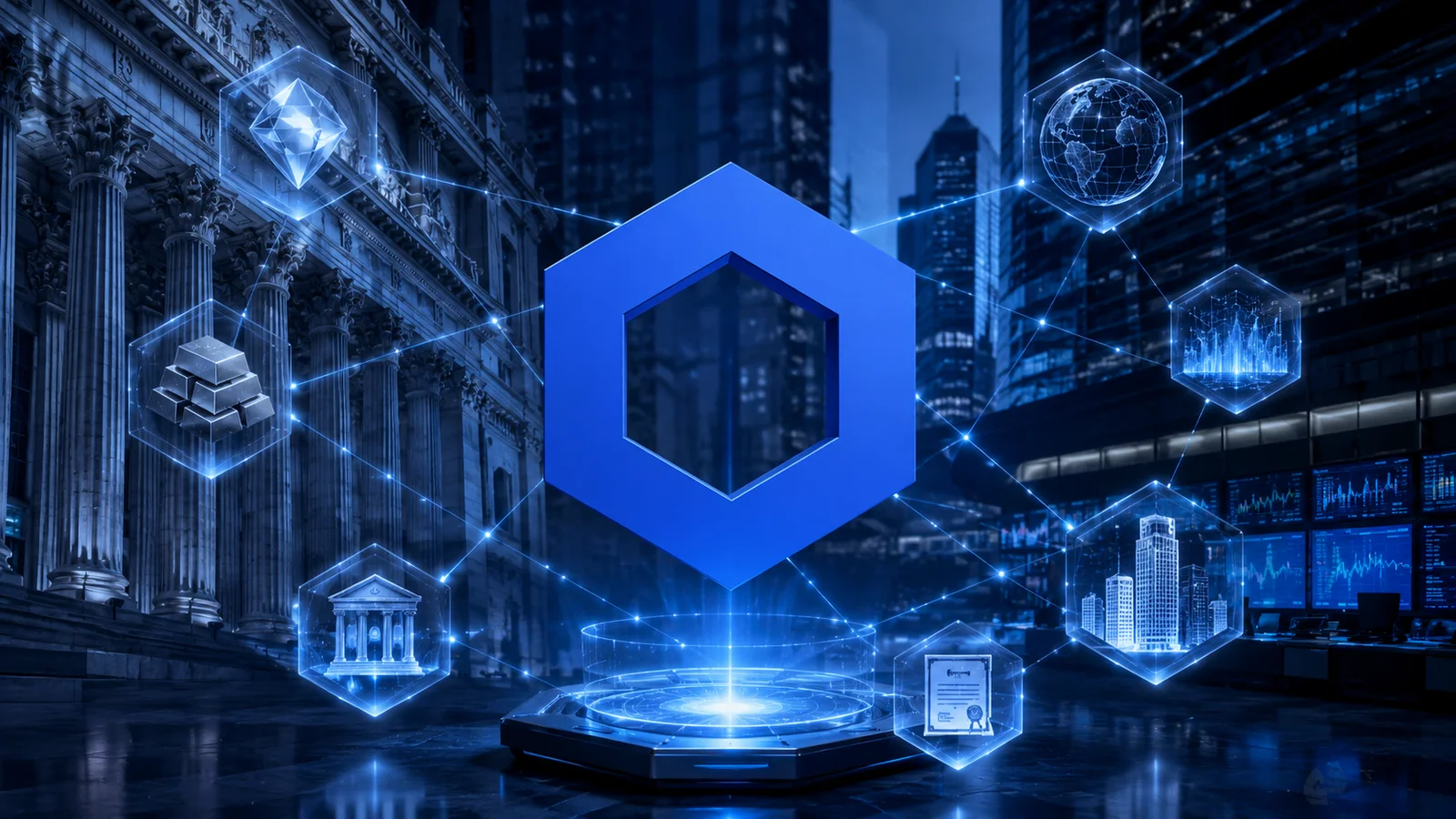
Chainlink will serve as the data and orchestration layer in this structure. The platform’s price data, valuation processes, collateral movements, eligibility checks, margin calculations and settlement instructions will be supported by Chainlink infrastructure.
Chainlink is known as a decentralized oracle network that allows blockchain networks to securely access real-world data. Since blockchains cannot directly access external data sources such as prices, weather data, API data or institutional data on their own, oracle systems play a critical role at this point.
The use of Chainlink in DTCC’s collateral platform shows that oracle technology is finding a place not only in DeFi applications but also in the core operations of traditional finance. Reliable data flow is especially important in areas such as pricing and valuation, where it plays a decisive role in collateral management.
A new phase after the Smart NAV pilot
The collaboration between DTCC and Chainlink is not entirely new. In 2024, the two companies carried out a pilot project called Smart NAV. The pilot tested bringing mutual fund net asset value data onto blockchain networks.
Major financial institutions such as JPMorgan, Franklin Templeton and BNY Mellon also participated in the pilot. The project focused on how fund tokenization could work across multiple blockchain networks.
The Collateral AppChain move takes this collaboration into a more operational and institutional field. Collateral management plays a key role in balancing risk, securing transactions and using liquidity efficiently in financial markets.
DTCC expands its tokenization efforts
Beyond collateral management, DTCC is also expanding its work in tokenization. Earlier this month, the company announced that more than 50 firms had joined a working group for The Depository Trust Company’s tokenization service. Under this plan, limited production trades are expected to begin in July, while the service is planned to launch in October.
DTCC’s scale in financial markets also increases the significance of this development. The company’s subsidiaries processed $4.7 quadrillion in securities transactions in 2025. Its depository subsidiary provided custody and asset servicing for securities issues valued at $114 trillion.