
Cryptocurrency exchange Coinbase has been sued over frozen funds allegedly linked to a major theft in 2024. The plaintiff is an anonymous crypto whale, identified only as “D.B.” in the filing. D.B. alleges that Coinbase froze funds associated with the stolen assets but refused to return them.
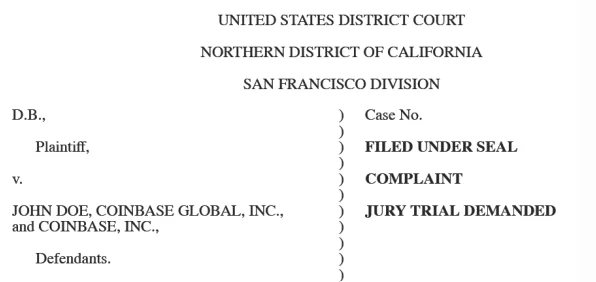
The lawsuit is filed against Coinbase and an unidentified individual named “John Doe,” who is accused of the theft. While parts of the file are confidential, details revealed corroborate a major crypto theft in August 2024 that resulted in the loss of approximately $55 million worth of DAI.
Access to wallet gained through fake page
According to the complaint, D.B. was the victim of a phishing attack on August 20, 2024. After the user logged into a fake website, the attacker gained access to the wallet and emptied the DAI assets. The filing states that the attack was carried out using a crypto theft infrastructure called “Inferno Drainer.” Inferno Drainer is known as one of the tools that helps malicious actors withdraw assets from user wallets, and has been mentioned in various phishing attacks in the past. In such attacks, users are usually directed to fake pages that mimic a real platform. Then, the approvals they unknowingly give open the door for attackers to move the assets in the wallet.
According to D.B.'s lawyers, a portion of the stolen funds was later traced to an individual user account on Coinbase. The application states that this tracing was carried out by the blockchain security company Zero Shadow. However, the amount of funds in the Coinbase account was not disclosed in the lawsuit.
Coinbase froze the funds but did not return them
D.B. informed Coinbase after the theft. The exchange then froze the assets in question. However, the company stated that a court order was required for the funds to be returned directly to the plaintiff. The plaintiff's lawyers argue that Coinbase acted reasonably in the initial stages, but changed its attitude later. According to the application, despite D.B. proving under oath that he was the true owner of the funds, Coinbase did not process the return. Lawyers argue that it is unreasonable for the exchange to continue holding the funds at this point.
D.B. is requesting the court to return the stolen crypto assets, which are said to be traceable. The filing states that the plaintiff argues that he is the true owner of the frozen cryptocurrency and has an immediate right to dispose of these assets.
Legal process becomes more difficult in crypto theft cases
The case highlights the legal uncertainties surrounding the tracking, freezing, and recovery of stolen funds in the crypto market. While blockchain transactions are publicly traceable, it is often not easy for an exchange to directly return frozen funds to the victim. Exchanges may need a court order to avoid the risk of paying the wrong person or becoming a party to an ownership dispute.
This prolongs the process for victims of crypto theft. The fact that funds are identified on the blockchain does not always mean they will be recovered. Especially when stolen assets reach centralized exchanges, clarifying legal ownership and how the relevant institutions will act becomes critical. According to FBI data, crypto-related fraud has increased significantly recently. Last year, losses from cryptocurrency scams reached $11.3 billion. This figure represents more than half of the total $20.9 billion in internet crime losses tracked by the FBI. Coinbase has not yet made a public statement on the matter, according to the information in the report.