
As regulatory approaches to cryptocurrency markets in the US continue to expand, the Commodity Futures Trading Commission (CFTC) has now turned its attention to artificial intelligence (AI). In an interview, Commissioner Mike Selig explained that they are developing AI-powered systems to both compensate for significant staff reductions and accelerate oversight processes.
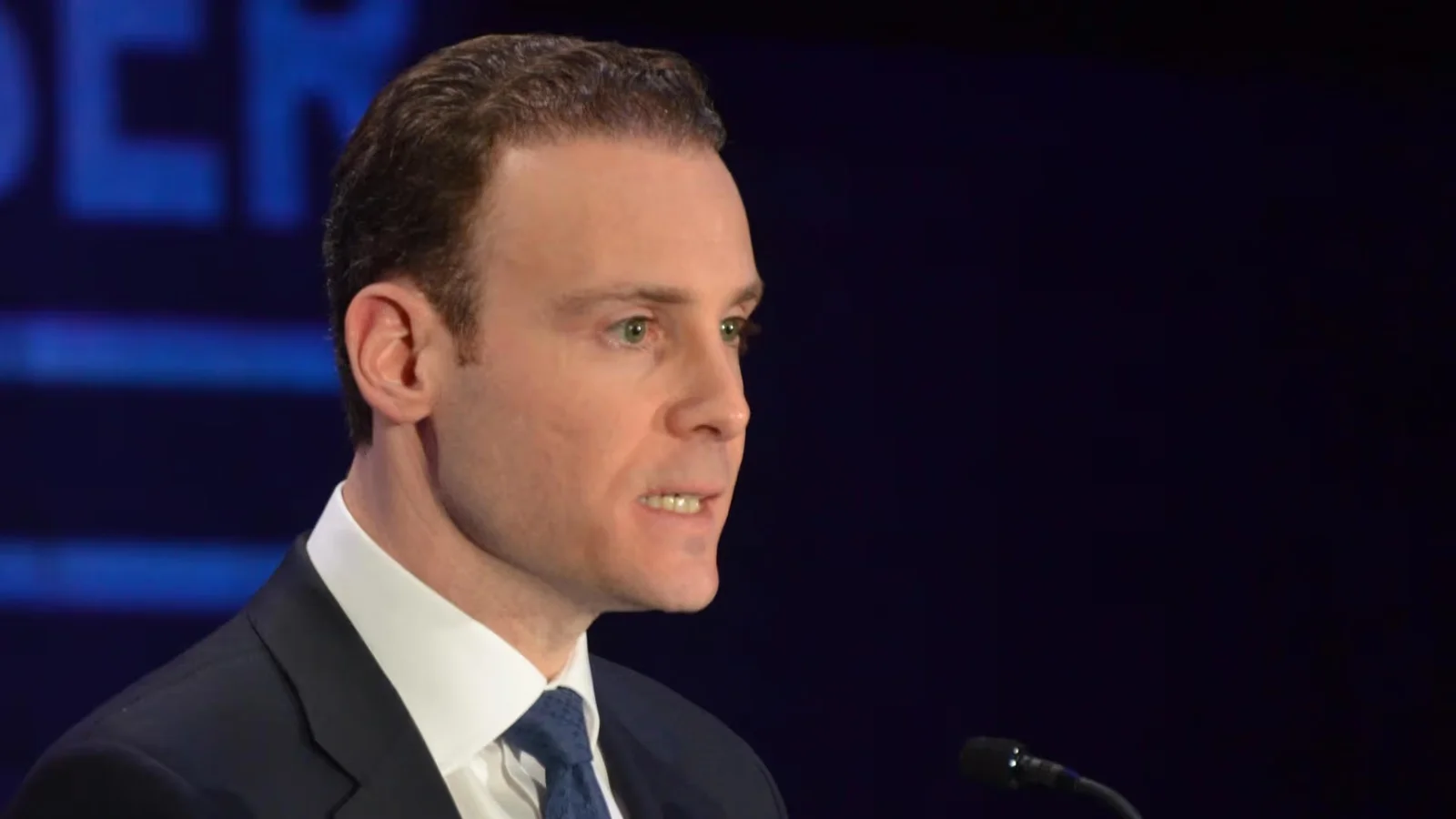
According to Selig, the agency aims to create a more efficient structure by automating areas such as application evaluation and market surveillance. These systems, which will replace currently manual registration processes, will allow for the detection of incomplete or erroneous applications much earlier. AI tools can identify gaps, insufficient explanations, or obvious errors in documents, either rejecting applications or pushing them down the review queue. The technological transformation within the agency is not limited to application processes. The CFTC is also utilizing AI in market surveillance. Tools developed for areas such as swap data analysis and the detection of suspicious transactions are helping the regulator achieve faster and clearer results. In this context, it is stated that employees are being trained on the use of Microsoft Copilot, and that work is also being done on in-house custom solutions.
This technology move is directly linked to policies aimed at reducing personnel in federal agencies in the US. Selig emphasizes that artificial intelligence plays a critical role in ensuring that oversight capacity is not weakened despite the decrease in the number of employees.
"Taxonomy" step for crypto assets
Technology is not the only topic on the CFTC's agenda. Another important development highlighted by Selig is the crypto asset taxonomy prepared in collaboration with the US Securities and Exchange Commission (SEC). This guide provides a classification system that defines which regulatory framework digital assets fall under.
Although it is not yet a binding law, this step is thought to provide important clarity for the sector. Selig states that thanks to this, developers, investors, and users will be able to better understand which rules they are subject to in which areas. He also states that the CFTC will have a clearer jurisdiction against violations such as fraud, market manipulation, and insider trading.
Strong message on prediction markets
One of the most controversial topics for the CFTC is prediction markets. This area, encompassing platforms such as Kalshi, Polymarket, Crypto.com, Coinbase, and Gemini, is at the center of legal debates at both the federal and state levels. While Selig argues that the CFTC is the "sole competent regulator" over these markets, there is a serious conflict of jurisdiction with states, particularly in areas intersecting with sports betting. The institution's recent actions indicate that supervision in this area will become even stricter. Recently, a lawsuit was filed against a soldier accused of using classified government information to trade in prediction markets, in an investigation conducted jointly with the US Department of Justice. The CFTC was also involved in this case, accusing insider trading. Selig is sending a clear warning to market participants: the CFTC's supervisory approach is becoming increasingly aggressive, and swift action will be taken against violations.