
Wallets linked to the US government transferred more than $288 million worth of Bitcoin and Ethereum to Coinbase Prime on Monday. The assets moved through several transactions executed within short intervals, according to real-time tracking by onchain analytics platform Arkham Intelligence.
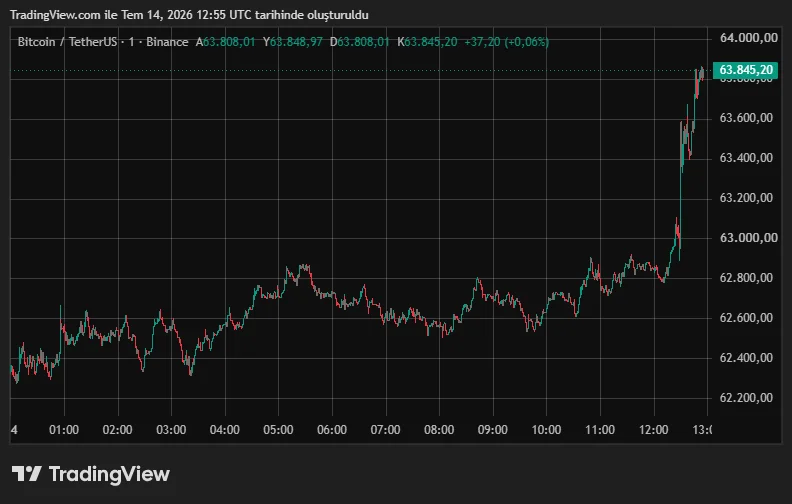
Arkham data shows that the wallets transferred a total of 3,800.5 BTC and 30,007 ETH. At current market prices, the combined value exceeds $288 million. Bitcoin has gained 1.38% over the past 24 hours, while Ethereum has risen 3.05%, increasing the dollar value of the transferred assets.
Who were the assets seized from?
A significant portion of the transferred cryptocurrencies came from assets seized in separate criminal investigations. Wallets labeled by Arkham were linked to cases involving Ryan Farace and Brian Krewson.
Farace was convicted of selling counterfeit Xanax pills on darknet marketplaces. His case had previously attracted attention after US authorities announced plans to dispose of $117 million worth of Bitcoin seized from a drug dealer linked to the Silk Road marketplace.
The allegations against Krewson were different. Authorities accused him of helping conceal and launder $54 million in cryptocurrency generated through drug trafficking.
Some of the transferred assets were also connected to BTC-e, an unlicensed cryptocurrency exchange that was shut down in 2017. During its years of operation, BTC-e allegedly facilitated billions of dollars in illicit financial activity.
Legal proceedings linked to the exchange continued for years after its closure. Alexander Vinnik, one of the most prominent figures associated with BTC-e, was recently returned to Russia as part of a prisoner exchange.
What does the Coinbase Prime transfer mean?
Coinbase Prime provides custody and trading services to institutional clients. Moving assets to the platform could precede a sale, although the transfer alone does not confirm that liquidation is imminent.
Similar transfers from government-controlled wallets have produced different outcomes in the past. Some assets remained untouched for months after reaching institutional platforms, while others were gradually sold.
There is also another factor to consider. An executive order signed by Donald Trump in March 2025 called for seized Bitcoin to be transferred into the country’s Strategic Bitcoin Reserve. The order also instructed federal agencies not to sell Bitcoin obtained through criminal or civil forfeiture proceedings.
The latest transfer may therefore represent an administrative custody or reserve-management transaction rather than preparation for a sale. At this stage, the government’s intention remains unclear, and the market’s interpretation of the movement may become more visible in the coming days.
The broader picture
According to Arkham, wallets associated with the US government hold more than $20 billion in cryptocurrency, with most of the assets originating from law enforcement seizures.
The portfolio reportedly includes 324,552 BTC, a figure that places the US government among the world’s largest known Bitcoin holders. The wallets also contain Ethereum, USDT, BNB and ZEC.
This diversified portfolio shows that government seizures are no longer limited to Bitcoin. US authorities have accumulated assets across several blockchain networks through investigations involving criminal organizations, darknet markets and money-laundering operations.