Tesla announced its financial results for the first quarter of 2026. While revenue slightly fell short of Wall Street expectations, profitability exceeded analyst estimates. Weakness in the cryptocurrency and energy segments was the most significant negative factor. Total revenue increased 16% year-over-year to $22.39 billion in the first quarter, falling short of the market's expectation of $22.6 billion. Adjusted earnings per share exceeded the consensus estimate of 37 cents, reaching 41 cents. Tesla shares rose more than 3% in post-earnings trading. The automotive segment continued to grow. Vehicle sales revenue increased 16% year-over-year to $16.2 billion. However, energy production and storage revenue decreased by 12% to $2.41 billion. Net profit rose to $477 million, compared to $409 million in the same period of the previous year. Declining costs per vehicle and rising average selling prices supported profitability. The automotive gross margin reached 19.2%, exceeding all quarters of the previous year.
The overall performance in the stock market lagged considerably behind the positive balance sheet picture. Tesla shares have lost approximately 14% of their value since the beginning of 2026, placing it among the weakest performing major technology companies. Amazon, Alphabet, and Nvidia performed better during the same period.
Bitcoin recorded a $173 million loss in value
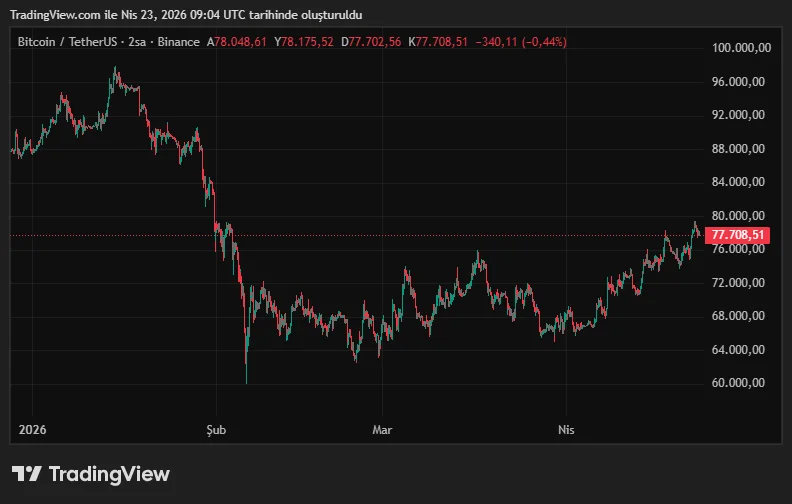
There was no significant movement in the cryptocurrency market. Tesla held onto its 11,509 BTC in the first quarter, making no purchases or sales. However, the decline in Bitcoin prices was reflected in the balance sheet: The company recorded a post-tax loss of $173 million for its digital assets. The drop in Bitcoin's price from around $90,000 at the beginning of the year to around $68,000 at the end of the quarter is a direct cause of this loss. The total value of digital assets carried on the balance sheet also decreased from approximately $1 billion in the last quarter of 2025 to $786 million.
On the product side, Tesla announced the release of more affordable versions of the Model Y and Model 3. This move aims to protect its market share, especially in an environment where BYD and Xiaomi are challenging the market with competitive pricing.
Long-term investments continued unabated. Capital expenditures increased by 67 percent year-on-year to $2.49 billion. The company stated that it increased spending on autonomous driving technologies and the Optimus humanoid robot project. Tesla announced that it will begin preparations for a large-scale Optimus production facility in the second quarter of 2026, and that the first-generation production line is planned to reach an annual capacity of 1 million robots.