
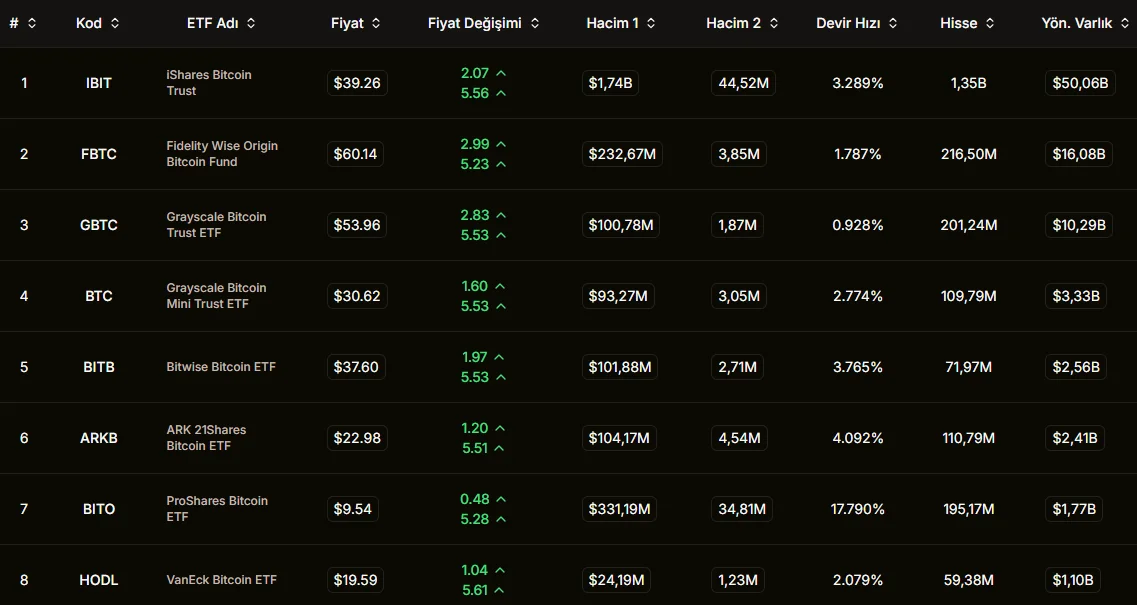
Bitcoin hovered near $68,000 on the second trading day of the week, while strong inflows into US-based spot Bitcoin ETFs were noteworthy. Despite rising geopolitical tensions with Iran, demand for investment assets accelerated rather than weakened; on Tuesday alone, there was a net inflow of approximately $458 million into spot ETFs. This figure represents one of the strongest daily inflows of the quarter.
Institutional Demand Remains Strong Despite Geopolitical Tensions
According to market data, this indicates that institutional investors have recently not viewed war-related volatility as a systemic risk. While the Bitcoin price experienced sharp fluctuations following weekend headlines, fund flows showed that investor confidence was largely maintained.
A similar assessment was included in a recent note published by Singapore-based trading firm QCP Capital. The company stated that approximately $300 million in long positions were liquidated following weekend events, but this movement remained "significant but limited." According to QCP, the significant reduction in positions already taken in recent weeks prevented the sudden drops from turning into a deeper sell-off. Pricing in the options market also supports this view. One-day implied volatility briefly rose to 93 percent; then quickly retreated. This reveals that investors are taking positions to hedge against short-term news flow rather than preparing for a sustained crisis scenario. The strong performance in ETFs is not limited to a single day. Over the past week, US spot Bitcoin ETFs recorded net inflows totaling $1.1 billion over three consecutive trading days. Approximately half of these inflows came from BlackRock's iShares Bitcoin Trust (IBIT) fund, one of the world's largest asset management companies. IBIT's ability to attract capital on this scale alone demonstrates continued institutional demand for Bitcoin. ETFs offer a regulated and easily accessible channel, especially for traditional finance investors. Therefore, ETF flows are considered an important indicator of overall market sentiment during periods of increased geopolitical risk. Recent data reveals that investors are not pricing in the Iran-based tension as a disruption that will shake the global financial system. The stabilization of the Bitcoin price around $68,000 also supports this picture. Despite sharp movements over the weekend, the rapid recovery suggests that the market experienced a controlled repricing rather than panic selling. The limited liquidations and the rapid retreat of volatility indicate that liquidity remains strong.