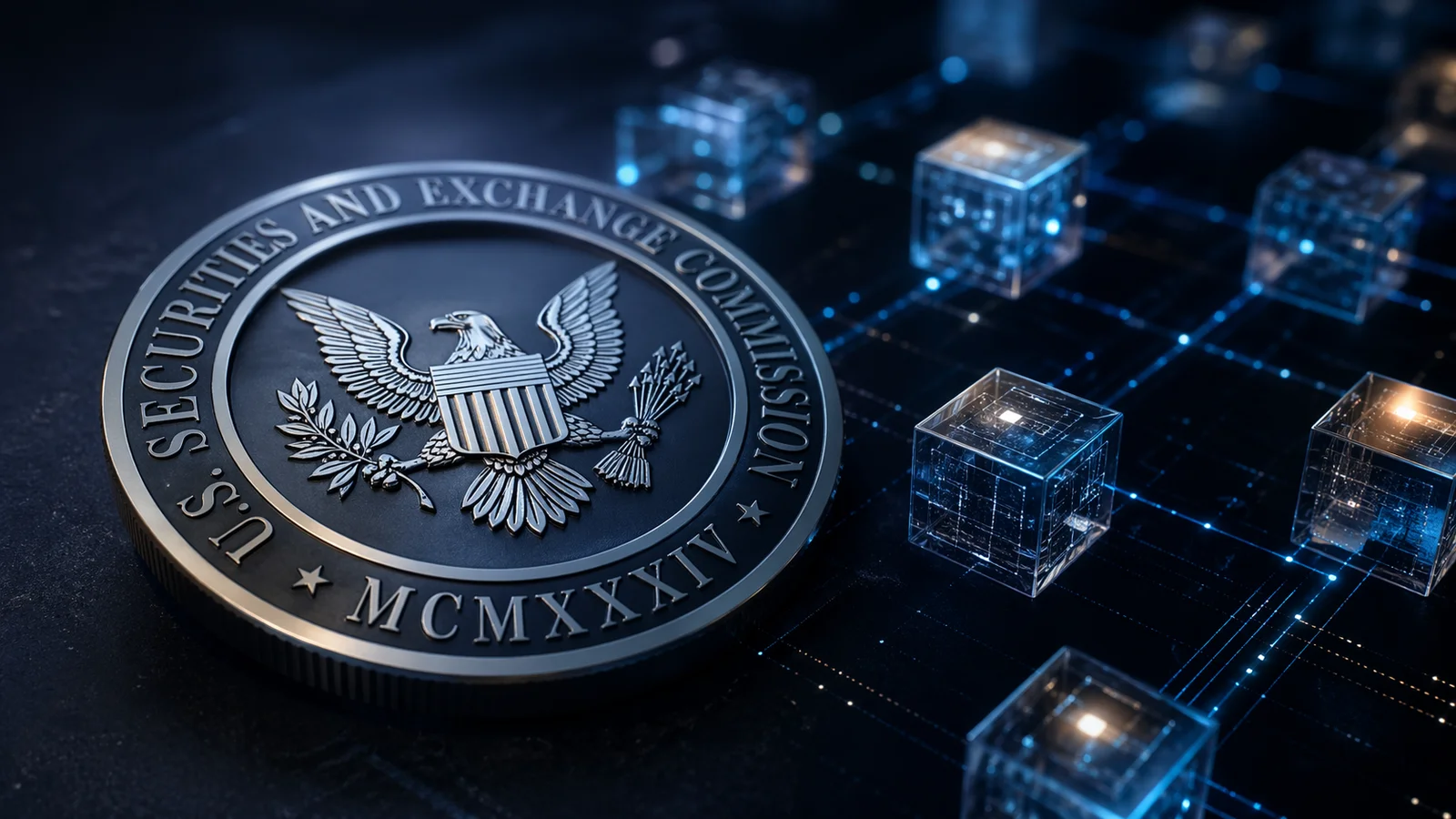
A new phase is beginning in US regulations regarding cryptocurrency and tokenization. In a recent statement, Paul Atkins said that the US Securities and Exchange Commission (SEC) is finalizing an exemption regulation that will allow tokenized securities to be traded on the blockchain.
The tokenization problem in the US
The US is finally trying to resolve the regulatory uncertainty in the tokenization field. SEC Chairman Paul Atkins announced that they are preparing an exemption mechanism that will allow tokenized securities to be traded on the blockchain. As he stated at the Economic Club event in Washington, this regulation, which they call an "innovation exemption," will allow the sector to operate in a limited but regulated environment without waiting for a comprehensive legal framework. This is a strategy of observing the market with a controlled transition process instead of directly creating legislation. In theory, it makes sense, but the details of implementation are not yet clear.
Cryptocurrencies and blockchain are on the SEC's agenda
The idea has actually been on the SEC's agenda for months. Commissioner Hester Peirce confirmed in March that work was underway. Atkins had also stated in previous speeches that they were seeking targeted flexibility in this area. So it's not a surprise move. It's more accurate to describe it as a long-awaited step finally beginning to become clear. These statements are also consistent with the digital asset classification guide published by the institution on March 17. The guide divides crypto assets into four categories: digital commodities, collectibles, vehicles, and stablecoins. Only tokenized securities fall directly under the SEC's jurisdiction; the others are left to the CFTC and other regulators. Atkins described this distinction as "delayed but necessary." As is known, this uncertainty has been a serious obstacle for the sector in the US for years.
The jurisdictional disputes between the SEC and the CFTC had long led market participants to act cautiously; it was difficult to make serious investment decisions without knowing which asset was under whose control. The new classification provides a partial answer to this question. I say partial because there are still points open to interpretation in practice. Clearly defining the boundaries of each asset type will not be as easy as it seems. The prepared framework was submitted to the White House for review on March 24 and is still under consideration.
There is no official statement regarding the approval timeline. How quickly it will be implemented once the process is complete is another question. Timelines in such regulatory processes can always be unpredictable. It's clear that the SEC's tone has changed recently. For many years, the institution was predominantly cautious, and at times overtly restrictive, towards the crypto sector; now, at least at the framing level, it is speaking more constructively. Whether this change will have a tangible impact remains to be seen. The sector needs good-faith regulations more than good-faith statements; those working in this field understand this difference well.