Global money transfer company MoneyGram has launched MGUSD, a stablecoin pegged to the U.S. dollar. The new digital dollar runs on the Stellar blockchain and targets the company’s more than 60 million active customers and nearly 500,000 physical service locations worldwide.
MGUSD launches first in the U.S.
According to the company’s announcement on Tuesday, MGUSD was initially rolled out for users in the United States. MoneyGram plans to expand the product globally in the coming period. The stablecoin will function as a digital dollar balance inside the MoneyGram app.
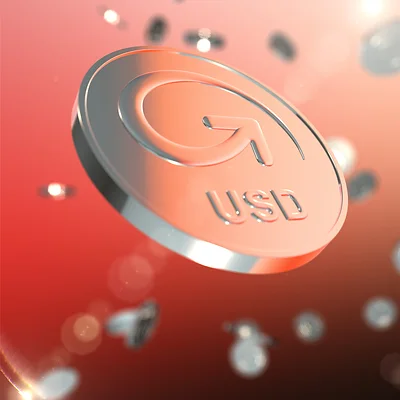
Through this structure, users will be able to hold digital assets denominated in U.S. dollars, transfer them and convert them into cash through MoneyGram’s physical locations when needed. In doing so, the company has connected digital asset infrastructure directly to its existing money transfer network.
Bridge, M0 and Fireblocks support the infrastructure
Three key partners are involved in MGUSD’s technical and regulatory infrastructure. The stablecoin will be issued by Bridge, which operates under Stripe. M0 will provide the smart contract infrastructure managing MGUSD’s minting and burning processes.
Fireblocks, meanwhile, will handle custody and wallet distribution. MoneyGram will hold MGUSD in Fireblocks wallets and then transfer the funds to customer wallets embedded in the MoneyGram app.
MoneyGram Chairman and CEO Anthony Soohoo said MGUSD was developed especially for customers sending money across borders. According to Soohoo, the stablecoin was designed for users sending funds to their families and for large populations with limited access to financial services.
Stellar partnership enters a new phase
MoneyGram’s decision to choose the Stellar blockchain is not the result of a new partnership. The company has been working with the Stellar Development Foundation for nearly five years on stablecoin-powered money transfer solutions. During this period, MoneyGram offered money movement and cash-out services through Circle’s USDC stablecoin.
With MGUSD, MoneyGram has moved beyond using a third-party stablecoin and launched its own digital dollar. Stellar Development Foundation CEO Denelle Dixon also described the launch as a new milestone showing what a purpose-built blockchain infrastructure can deliver when combined with a trusted payments network.
Stablecoin race accelerates
MoneyGram’s move comes in parallel with the growing stablecoin competition in the payments sector. PayPal had previously entered this field with PYUSD. Western Union has also announced plans to launch a stablecoin called USDPT on Solana.
SoFi is following a similar strategy with SoFiUSD, while payment giants such as Visa are also integrating stablecoin infrastructure into cross-border settlement processes. The appeal of this area for traditional payment companies is clear. Stablecoins offer a transfer infrastructure that operates 24/7, is faster and may potentially be less costly.
MoneyGram’s strongest advantage in this race is its broad physical service network. Fully digital stablecoin products often require a bank account, a crypto wallet or access to an online platform. MoneyGram, however, could make it easier for users to move between digital dollars and cash through its hundreds of thousands of physical locations.
This model may create a notable advantage, especially in regions where access to banking services is limited. The company is positioning stablecoins not only as a product for the crypto market, but also as a new building block for its global money transfer network.
The company had accelerated its stablecoin preparations
MoneyGram has gradually strengthened its preparations in this field in recent months. In December, the company partnered with Fireblocks for stablecoin settlements. Last month, it was named one of the anchor remittance validators on Tempo, the blockchain backed by Stripe and Paradigm. In May, it also expanded crypto-to-cash withdrawal services for Kraken users.