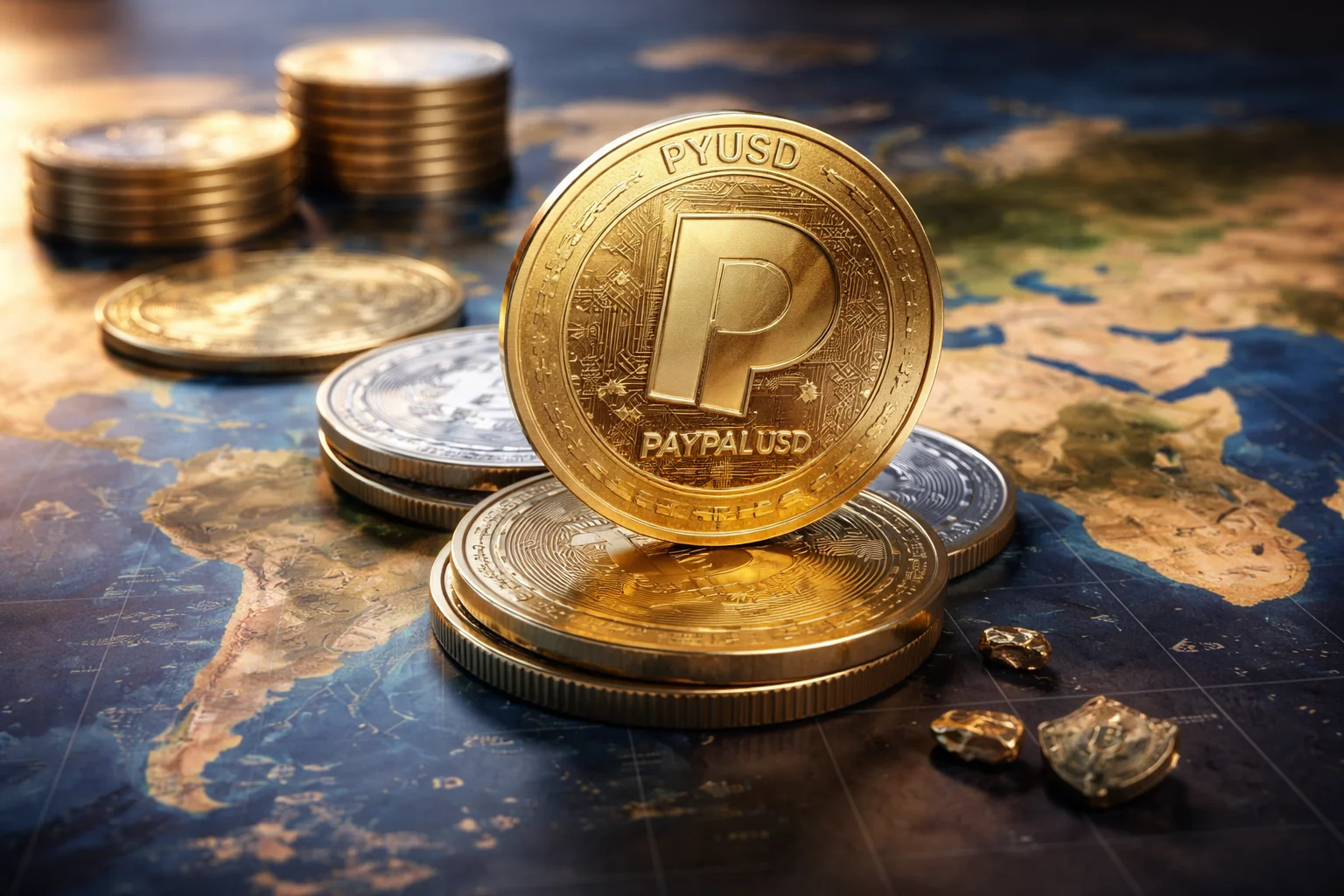
PayPal has taken a significant step towards expanding its own-brand stablecoin, PYUSD. According to May Zabaneh, the company's senior executive in charge of crypto assets, users in 68 countries will be able to hold PYUSD in their PayPal wallets as of this month. Previously only available to users in the US and the UK, this feature now covers many new markets in South America, Africa, and Asia. Countries such as Uganda, Colombia, and Peru are among the notable destinations in this expansion. The final figure is 70.
Solution for cross-border payments
This step strengthens PayPal's position in the stablecoin space, aiming to provide solutions to the cost and access problems experienced in cross-border payments. According to Zabaneh, making PYUSD available in more countries not only increases accessibility but also has the potential to reduce the high costs of international money transfers. Stablecoins are generally known as digital assets pegged to real assets such as the US dollar. Thanks to their structure, these assets minimize price volatility and have long stood out as lower-cost alternatives, especially in international money transfers. PayPal is positioning PYUSD in line with this vision.
With the new system, users will no longer only be able to send and receive PYUSD, but also earn returns on this asset. While an annual return of approximately 4% is offered for existing users in the US, this model is planned to be extended to other countries. Thus, users will have the opportunity to earn passive income from the PYUSD balances they hold in their PayPal accounts.
One of the most striking aspects of this development is the transformation it creates in cross-border payments. In the current system, for example, a payment sent from New York to Lima has to be converted to the local currency by the recipient, and both exchange rate differences and transfer fees come into play in this process. With PYUSD transactions, users can hold their funds directly in a dollar-based digital asset. This both reduces costs and makes transactions more efficient. In addition, in some countries, the existing PayPal infrastructure does not allow users to hold their balances within the platform. For example, in Malawi, money sent to a user is transferred directly to their bank account. With the introduction of PYUSD, users will be able to hold these funds in their PayPal wallets. This significantly changes the user experience and encourages the use of digital wallets. PayPal's move with PYUSD is not limited to individual users. The company aims to actively use the stablecoin within its own ecosystem. For example, content creators who receive payments through platforms like YouTube can choose to receive their earnings in PYUSD through PayPal's payment solutions. Similarly, the company is testing this stable asset for international fund transfers between different corporate units. According to data, the market value of PYUSD has increased more than fivefold in the last year, reaching $4.1 billion. First launched in the summer of 2023, this stablecoin initially experienced a brief pause due to regulatory pressures. However, following this period, PayPal began to expand its product globally by making it part of a broader strategy.