LG Electronics is moving its digital advertising operations onto blockchain infrastructure. The South Korean consumer electronics giant has partnered with Arbitrum to develop its own private layer-2 network. The platform enables digital ads to be automatically placed, bought, sold and managed without intermediaries.
According to Fortune, LG is positioning this Arbitrum-based network as a shared inventory database for advertisers and publishers. The system also tracks how consumers interact with ads. The company has completed a pilot test of the platform with an unnamed Japanese advertising agency and is considering launching the product later this year.
Samuel Byungsun Park, head of blockchain research at LG Electronics, said, “We are evaluating whether this approach can create meaningful value for advertisers, publishers and users.”
Arbitrum co-founder Steven Goldfeder said the technology removes the need for manual intervention in advertising transactions. Goldfeder said the platform can automate the ad sales process from end to end through software.
ARB Price Jumps
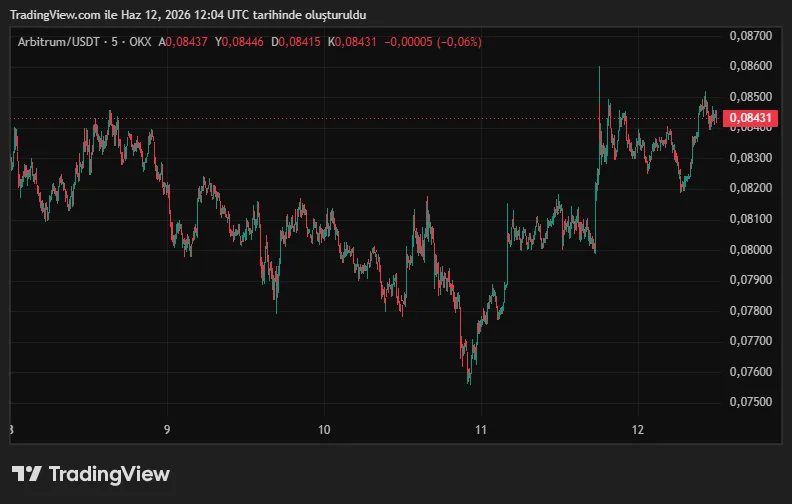
Following the partnership news, Arbitrum’s native token ARB recorded a notable increase. According to chart data, ARB is trading at $0.0843986, with a 24-hour gain of 3.61%. Its daily trading range stood between $0.079838 and $0.084876. On a weekly basis, the token is also up 3.07%; however, the 30-day picture remains negative, with a decline of 39.10%.
LG Had Already Been Experimenting With Blockchain
This initiative is not LG’s first step into blockchain. The company’s IT services arm, LG CNS, launched an enterprise blockchain platform called Monachain in 2018. However, LG shut down its Art Lab NFT marketplace on smart TVs last year. The new platform, meanwhile, is being built on LG Ad Solutions, the company’s advertising unit. That division has a global smart TV user base of 216 million devices, including 49 million in the United States alone.
At the same time, major companies are increasingly building their own blockchain infrastructure. Samsung’s supply chain ledger, JPMorgan’s JPM Coin deposit token and Mastercard’s stablecoin payment infrastructure are among the most prominent examples. Corporate players are also showing a growing tendency to move toward layer-2 chains instead of private permissioned networks.
The fact that blockchain was overshadowed by artificial intelligence at CES 2026 may have created the impression that the technology was being left behind. Yet behind the scenes, companies are systematically building infrastructure. LG’s move shows exactly that. By connecting a massive media network with direct consumer reach to blockchain, activity in this field continues without slowing down.