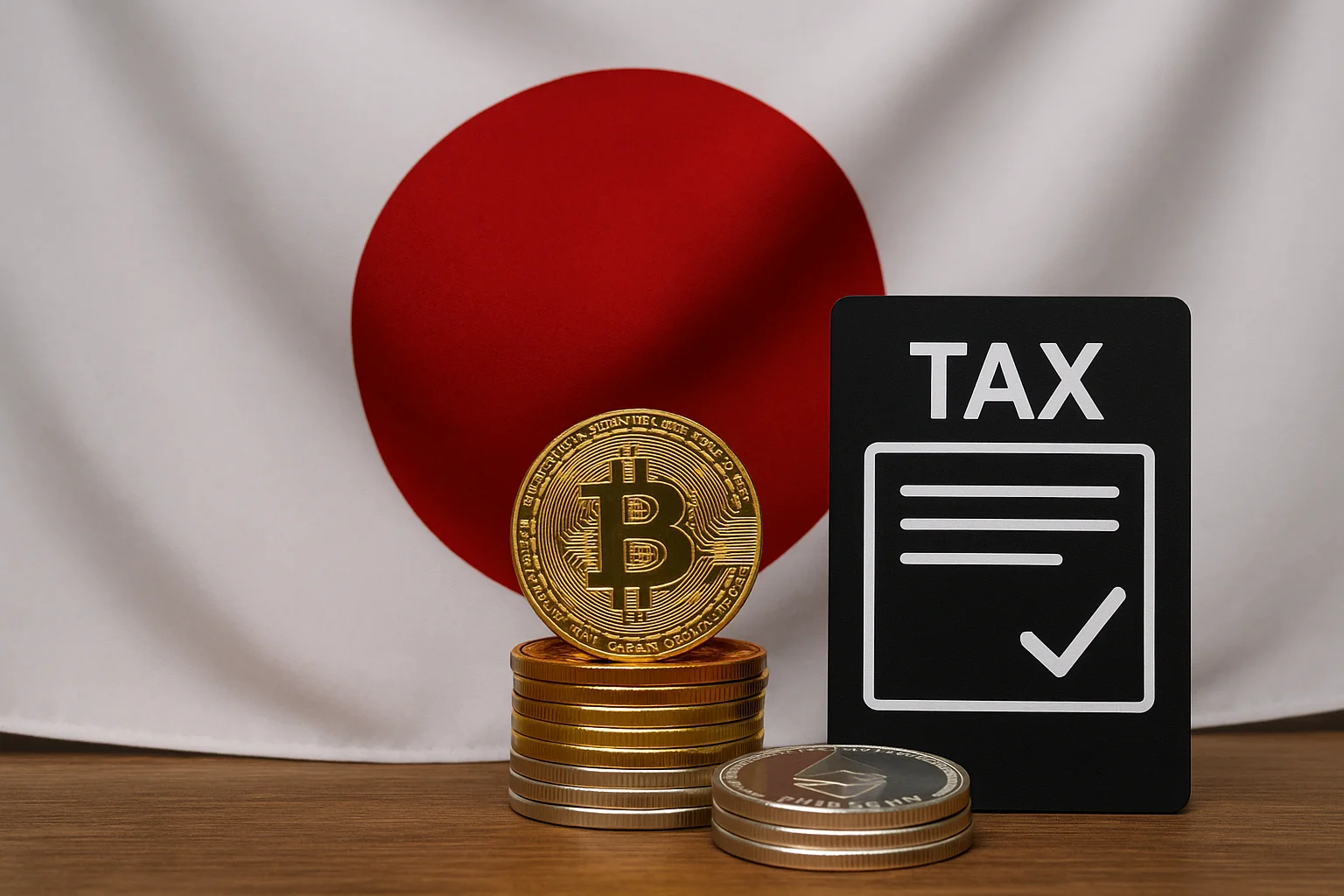
The Japanese government is preparing to implement one of the most comprehensive regulatory packages regarding the taxation of crypto assets. Crypto gains, currently subject to a progressive income tax of up to 55%, will be taxed at a flat rate of 20% under the 2026 tax reform, under the same scope as mutual funds and stocks. This change is expected to increase the trading volume of individual investors and strengthen Japan's global competitiveness.
Japan's Crypto Proposal
According to the proposed reform, crypto gains will be separated from business income and wage earnings and moved into a separate income category. This means investors' crypto trading profits will no longer fall into progressive tax brackets; instead, a single flat rate of 15% income tax and 5% residence tax will be applied. This regulation is expected to be included in the final tax package to be announced in December 2026.
The tax reform is driven by Japan's desire to encourage individual investors and its efforts to align with international practices. A comparative study conducted by the Financial Services Agency (FSA) noted that crypto assets are classified as property in the US and taxed at rates ranging from 0% to 37%; the UK applies rates between 20% and 28% for capital gains; and France has adopted a 30% flat tax model. Japan's 20% flat rate creates a framework more compatible with these countries and has the potential to increase competition in the domestic market.
Beyond tax reductions, the FSA is also preparing structural classification changes. The new framework, which covers Bitcoin, Ethereum, and approximately 100 tokens, will redefine crypto assets as "financial products" under the Financial Instruments and Exchange Act. This will allow banks, insurance companies, and institutional brokerage firms to offer crypto products or provide custody services under certain conditions. This is expected to increase institutional participation and generate higher volume on domestic exchanges.
The agency is also preparing a token whitelist of approximately 150 assets. Crypto assets included on this list will benefit from more flexible tax treatment, banking custody services, and market access. Tokens that remain unlisted will remain subject to existing strict regulations. With this approach, the FSA aims to both increase institutional compliance and enhance its oversight power by more clearly categorizing market risk.
The tax reduction isn't just a technical adjustment for Japan. For years, the country has faced the problem of individual investors preferring offshore platforms due to high tax burdens, and the concentration of trading volumes in foreign markets rather than domestic exchanges. The 20% flat rate has the potential to reverse this trend and re-introduce the crypto ecosystem.
Japan is also targeting young individuals and small investors in its comprehensive investment reform package designed to revitalize its capital markets. According to local media, the government is also considering a plan to extend some of the tax benefits to products suitable for investment by minors.
All of these steps are expected to be enacted during 2026, and the new tax regime will take effect in fiscal 2027. If the process progresses as planned, Japan will have one of the most competitive legal frameworks for crypto taxation both in the Asia-Pacific region and among G7 countries.