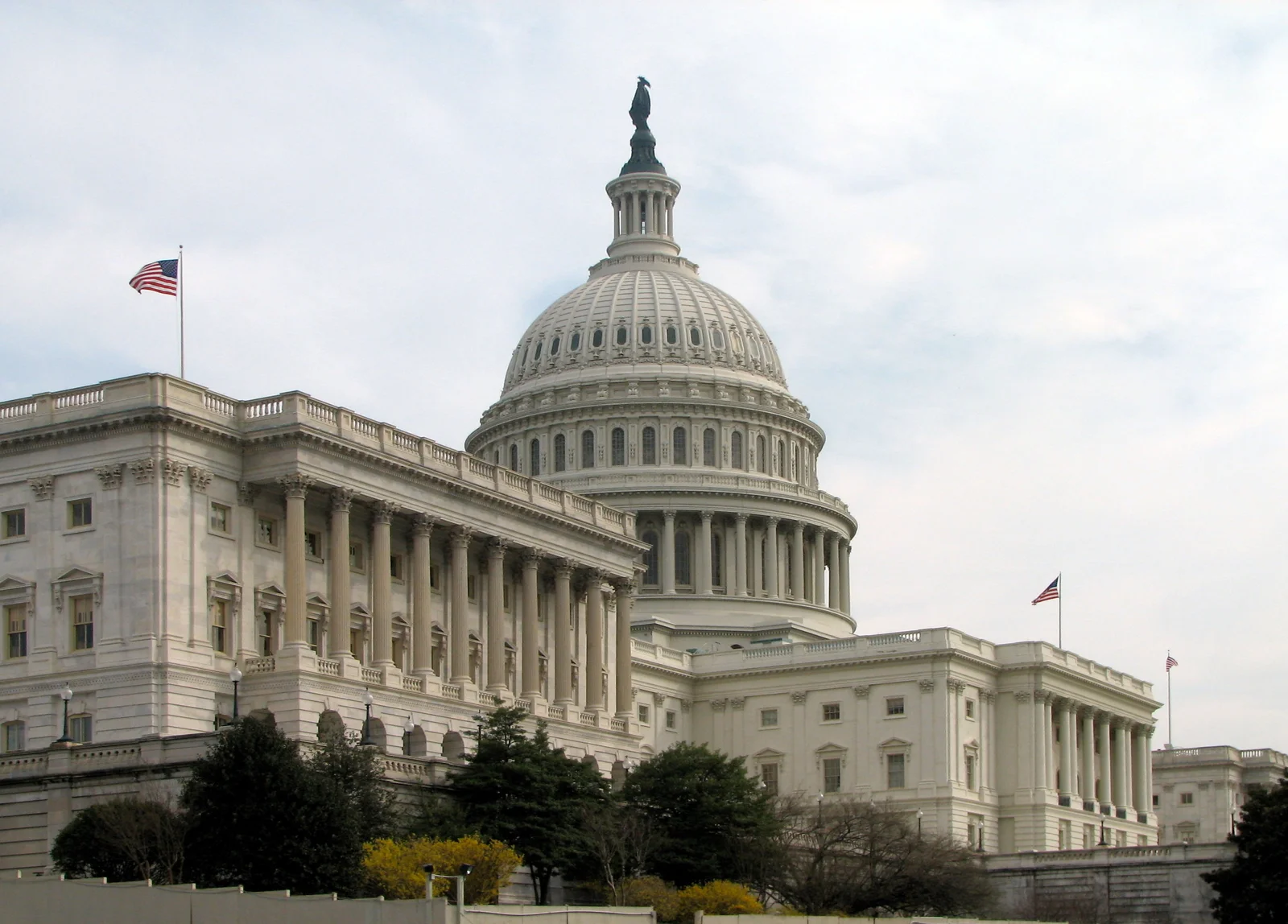
Extensive legislative efforts aimed at regulating crypto assets in the US have gained momentum again after lengthy negotiations. Critical hearings scheduled for next week in Washington could open a new era for the digital asset market. The hearings, to be held simultaneously by two key Senate committees, will be decisive in terms of both the sharing of regulatory authority and controversial topics such as stablecoins. The Senate Agriculture Committee, responsible for the Commodity Futures Commission (CFTC), will consider the draft legislation on the crypto market on January 15th (possibly to January 16th, Turkish time). According to a committee spokesperson, a "markup" hearing will be held on this date. The fact that Senate Banking Committee Chairman Tim Scott also plans to hold a similar hearing in his committee on the same day indicates that the process will proceed simultaneously and intensely. This step, following months of negotiations, is seen as a significant milestone in crypto regulation. The main goal of the draft legislation is to clarify the sharing of authority over crypto assets. The ongoing jurisdictional dispute between the CFTC and the US Securities and Exchange Commission (SEC) is creating uncertainty for the sector. The Senate Banking Committee's draft aims to clarify which cryptocurrencies will not be considered securities through a new definition of "auxiliary assets." The Senate Agriculture Committee's draft grants broader powers to the CFTC, but as of November, the numerous square brackets in the text indicate a lack of consensus on critical issues. If both committees approve their drafts next week, the texts will be combined and sent to the Senate floor. After this stage, alignment with the "Digital Asset Market Clarity Act," or "Clarity" for short, passed by the House of Representatives during the summer, will be necessary. If a joint text emerges from both chambers, the regulation can be submitted to President Donald Trump for signature. However, the process is not limited to technical regulations. Politically and economically controversial issues are also expected to be raised in upcoming sessions. Chief among these is Trump's perceived conflicts of interest within the crypto sector. According to Bloomberg, Trump earned hundreds of millions of dollars through his family's crypto ventures. How this will be addressed in legislative discussions remains to be seen.
Stablecoins are also on the agenda
Another important area of debate is yield-generating stablecoins. The Community Bankers Council, affiliated with the American Bankers Association, argued in a letter sent to the Senate this week that the stablecoin law, known as GENIUS, passed this summer, contains loopholes. According to bankers, these loopholes allow crypto companies to offer yields to stablecoin holders, potentially weakening the ability of local banks to collect deposits and extend loans.
The crypto sector has responded harshly to these criticisms. Coinbase's Policy Director, Faryar Shirzad, stated that banks' main objection is not financial stability but competition. According to Shirzad, the fundamental reason for opposing reward mechanisms is that banks' protected revenue streams are threatened. Protecting the GENIUS law and yield-generating stablecoin models means lower costs, more options, and a more competitive payment system.