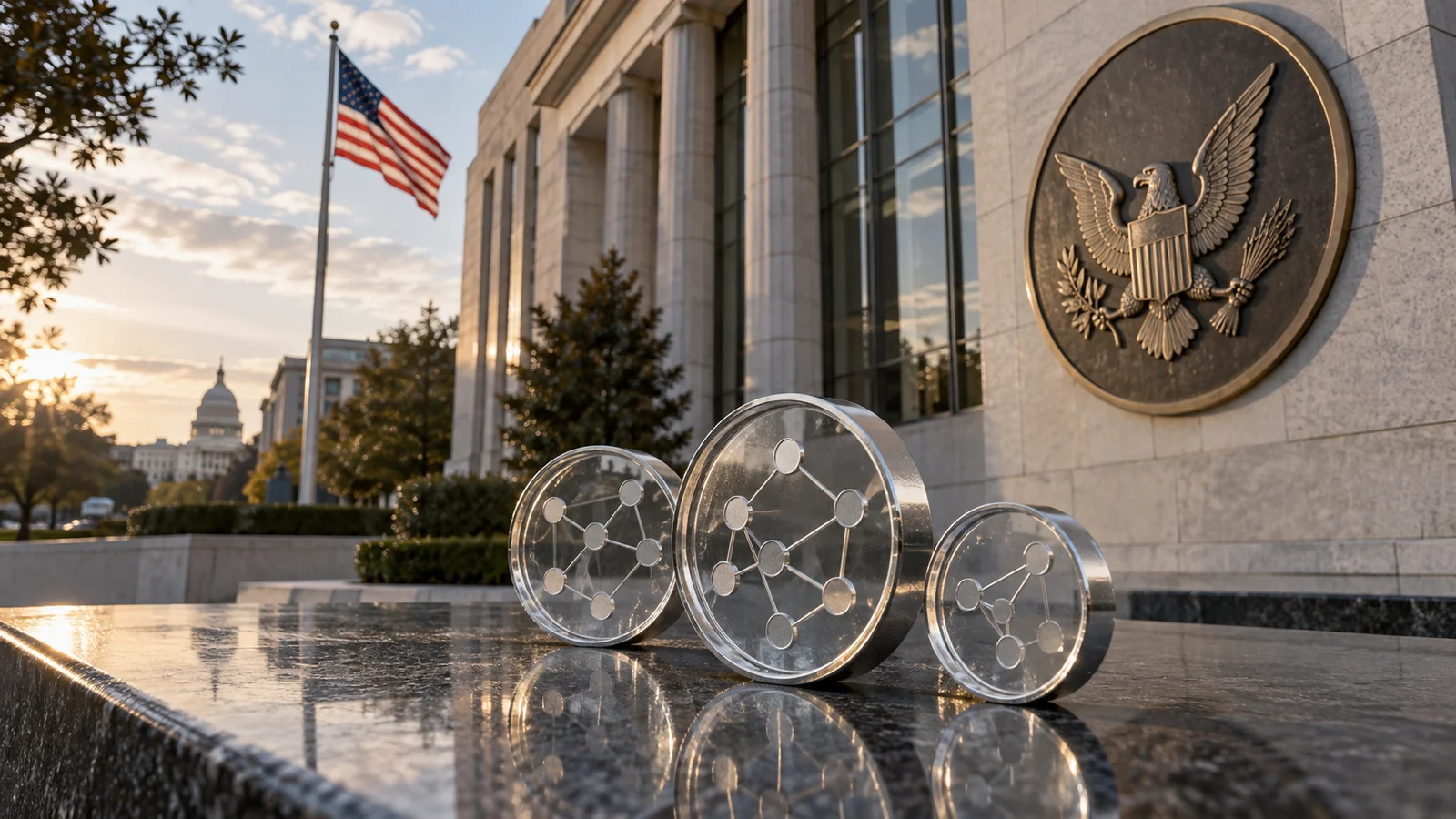
The U.S. Securities and Exchange Commission (SEC) announced a temporary, conditional exemption on September 17 allowing tokenized U.S. stocks to trade on blockchain-based platforms in a limited capacity. The Commission granted so-called "Tokenized Securities Venues" (TSVs) a temporary exemption from the "exchange" definition under the Securities Exchange Act, in exchange for these platforms trading tokenized versions of National Market System (NMS) stocks through permissioned automated market makers and liquidity pools.
What the Innovation Exemption brings
The rule was announced under the name "Innovation Exemption." SEC Chairman Paul Atkins described the move as a step toward bringing U.S. capital markets into the digital age, saying the exemption offers a temporary solution while the Commission works on more permanent rules to facilitate onchain trading.
The same order also grants a temporary exemption from the "dealer" definition to parties that supply liquidity with their own capital in AMM liquidity pools while engaging in activities that could count as dealing, such as quoting prices to customers or entering into committed capital agreements.
The conditions are as follows:
- The number of symbols and trading volume of tokenized stocks listed will be limited
- Tokenized stocks must give holders the exact same rights as traditional shareholders, including voting rights and dividends
- Before a stock tokenized by a third party can be listed for trading on a platform, the underlying company must receive written notice and the right to object
- Smart contracts must be auditable, public, and run on a permissionless ledger
- If trading in the underlying stock is halted on its primary exchange, trading on the platform must be halted simultaneously
- Platforms must publicly disclose information about their own operations and the trading activity of their affiliates
The exemptions will automatically expire after five years. During this period, the SEC plans to work on a permanent framework based on the public comments it collects.
Timing
The decision came just two days after the CLARITY Act, a crypto market structure bill, stalled in the Senate. For an industry that didn't get what it was hoping for from Congress, the SEC's administrative move fills the gap, at least for now. Coinbase, Securitize, and Ondo Finance are reportedly shaping their product plans around this exemption.