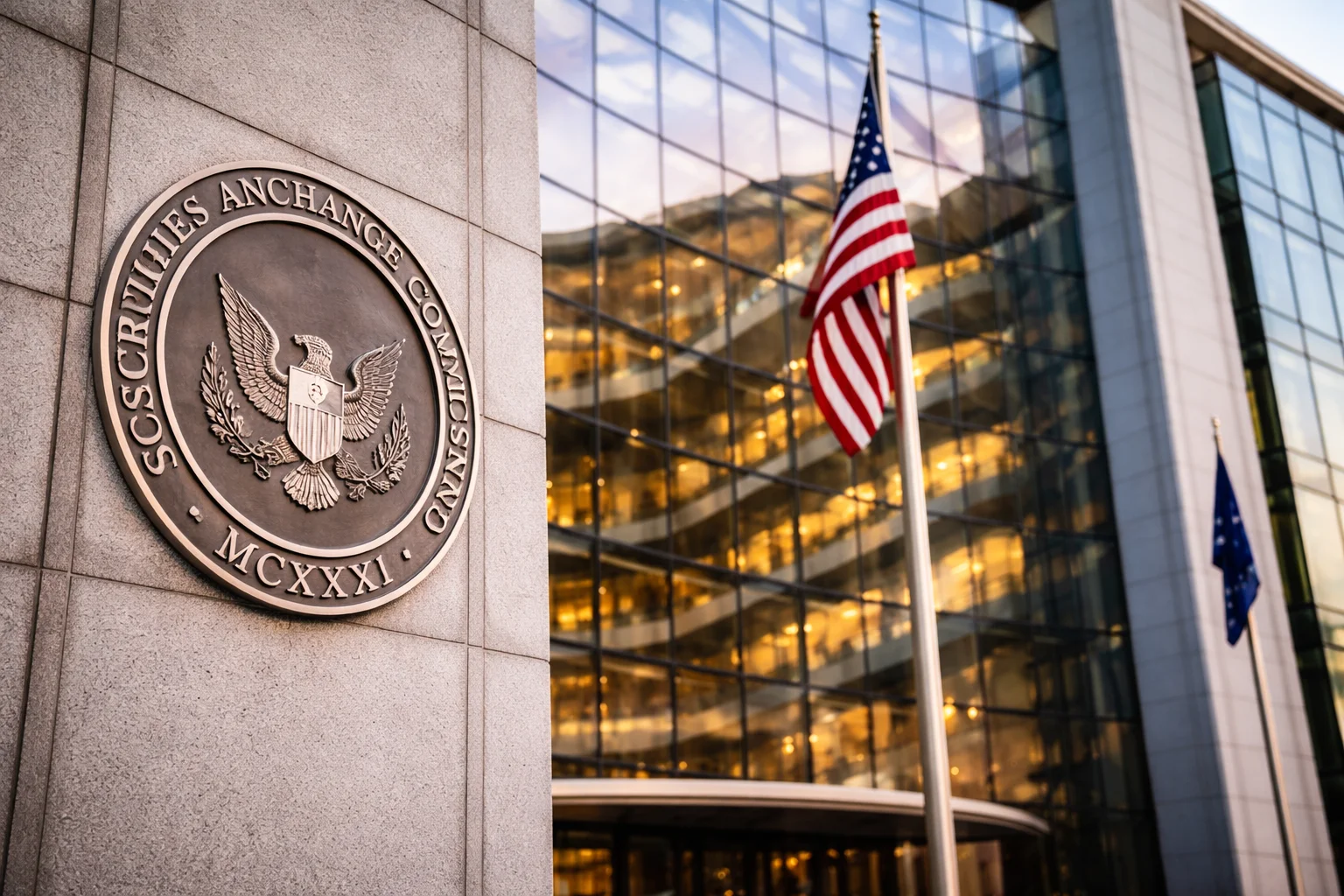
The regulatory approach to cryptocurrency markets in the US has once again become the focus of political debate. U.S. Securities and Exchange Commission (SEC) Chairman Paul Atkins stated during a congressional oversight hearing that he could not publicly comment on the case against Tron founder Justin Sun, which has been pending for approximately 11 months. Atkins emphasized that the rules governing the ongoing legal process limit public discussion, but indicated he could provide a confidential briefing to lawmakers.
The 600,000 Transaction Allegation and the Suspended Proceedings: What Happened?
The case stems from a comprehensive enforcement action initiated by the SEC against Sun in 2023. The agency accused Sun of conducting an unregistered issuance of securities and manipulating the TRX token price. The allegations included over 600,000 "wash trading" transactions aimed at artificially inflating TRX trading volume. However, in February 2025, both the SEC and Sun's legal team filed a joint motion to halt the proceedings, citing the need to "evaluate a possible settlement." Since then, no publicly announced settlement or final decision has been reached. Senior Democratic member of the House Financial Services Committee, Maxine Waters, posed tough questions to the SEC leadership during the hearing. Waters alleged that Sun had contact with individuals close to President Donald Trump and developed relationships with World Liberty Financial Inc., a company linked to the Trump family, and asked whether these political ties influenced the suspension of the sanctions process. She also reminded the committee of the publicly reported TRX manipulation allegations involving Sun's former girlfriend.
Atkins reiterated that he could not comment on the specifics of individual cases. He stated that he could share information with lawmakers in closed session "to the extent permitted by the rules." When asked whether the SEC would continue to combat fraud in the cryptocurrency markets, he said they act in every area where securities laws apply. The pause in the Justin Sun case is being viewed in the context of the SEC's recent overall policy shift. Over the past year, the agency has withdrawn or slowed down several high-profile cases against large companies such as Coinbase, Binance, Ripple Labs, Kraken, and Robinhood. The new administration criticizes the previous "regulation through enforcement" approach and advocates for clearer rules and a legislative framework instead.
A new era signals the CLARITY Act
Atkins also revealed that the SEC, along with the Commodity Futures Trading Commission (CFTC), is working on regulations aligned with the CLARITY Act, which aims to clarify the structure of the crypto market. The goal is to define the jurisdictions of the two agencies and make it clearer under which rules companies operate in the US. However, due to uncertainties in the Senate, it is not yet clear how the legislative process will conclude.
The Democratic side warns that the slowdown in enforcement activities could weaken investor protection. In January 2026, along with Waters, Representatives Ritchie Torres and Stephen Lynch requested written clarification from the SEC regarding numerous suspended or withdrawn crypto cases. The debate isn't limited to regulatory philosophy. According to Bloomberg estimates, Donald Trump allegedly earned $1.4 billion from crypto ventures. It's also claimed that the Trump family owns a 20% stake in a mining company called American Bitcoin. Furthermore, Trump's nomination of Kevin Warsh to replace current Fed Chairman Jerome Powell, whose term expires in May, is being closely watched in financial circles.