
Superfortune (GUA) is the first Web3 mystical application to blend artificial intelligence (AI) and blockchain technology with traditional Chinese metaphysics. Incubated within the Manta Network ecosystem, this project aims to offer predictions in the crypto markets powered by ancient wisdom. Users can receive daily fortune readings, have metaphysical analyses performed for crypto assets, and experience rewarding opportunities through fun and interactive games on the Superfortune platform. The developers describe the platform as "InfoFi" (Information Finance). This term refers to an information-finance service that presents financial information and predictions in an entertaining way. In short, Superfortune offers crypto enthusiasts who don't want to be limited to traditional price charts and technical analysis an alternative perspective supported by ancient astrology and divination techniques. Let's take a closer look at the world offered by Superfortune and what the GUA token does.
Definition and Origins of GUA
GUA is the official token of the Superfortune platform. Superfortune operates on the Binance Smart Chain (BNB Chain) using the BEP-20 standard and forms the platform's economic infrastructure. Founded in 2023, the project was developed by Manta Labs, a laboratory team at Manta Network focused on Polkadot-based privacy, and emerged as one of Manta's first incubator projects. Manta Network specializes in advanced privacy technologies such as zero-knowledge proofs (ZKP). Superfortune was born as an extension of this expertise, with a vision to create diversity in Web3 applications.
The main idea of the project was to offer a different predictive tool to provide users with psychological support against uncertainty and fluctuations in the crypto market. The founding team believed that in addition to technical and fundamental analysis, people could also benefit from ancient belief systems. Therefore, they combined millennia-old methods of Chinese astrology, such as Bazi (Four Pillars of Divination) and I Ching (Book of Changes), with AI-powered data analysis on the platform. At the heart of this approach lay the idea of "offering crypto investors a guide inspired by the rhythms of the universe." Initially, Superfortune manifested itself through social media bots. Users could read the "fortune" of any token by tagging the @SuperFortuneP account on Twitter, or access daily luck predictions via the Telegram bot. This innovative method quickly gained attention. Moreover, they managed to reach over 20,000 daily active users entirely organically, without any advertising spending.
GUA History: Key Milestones
Some important steps and milestones in the development process of the Superfortune (GUA) project can be listed as follows:
- 2023: The foundations of the project were laid, and development work began. The Manta Network team announced that they had incubated Superfortune in their ecosystem.
- July 2025: Manta Network announced that it had established integration with the fiat payment protocol called Wello PayFi. Superfortune became the first project to implement this system. This opened the way for users to make payments within the application using credit cards, Apple Pay, or local bank methods.
- Early November 2025: Direct payments with Apple Pay became possible on the Superfortune platform. This development reduced user login barriers often seen in Web3 applications, contributing to the number of daily active users exceeding 21,000. During the same period, Superfortune ranked among the top two most popular applications in the DappBay AI catalog on BNB Chain. November 25, 2025: The project team launched an airdrop campaign for the initial distribution of the $GUA token. Specifically, users staking Manta tokens received a certain percentage of the total supply as a reward. It was also announced that users trading with fiat currency within the application could also benefit from GUA rewards.
- November 27, 2025: The GUA Token Generation Event (TGE) process was completed, and GUA began trading on the market for the first time. Binance's experimental platform, Binance Alpha, became the first exchange to list the GUA/USDT pair. Simultaneously with the launch, an airdrop campaign with a reward of 750 GUA was also held. This date marked Superfortune's first official exchange debut.
- November 28, 2025: GUA, which began trading on Binance Alpha, experienced an impressive weekly increase of 205% despite general market anxiety. This rise revealed that the platform's "burning bad luck" themed narrative resonated particularly with Asian communities.
- November 30 – December 4, 2025: GUA was listed on centralized exchanges such as Aster DEX and MEXC, following Poloniex and XT.COM. A trading competition with a $50,000 prize pool was launched with Aster DEX. Approximately 45 million GUA entered circulation during this period; this figure represented only 4.5% of the total supply. This low supply caused more volatile price movements.
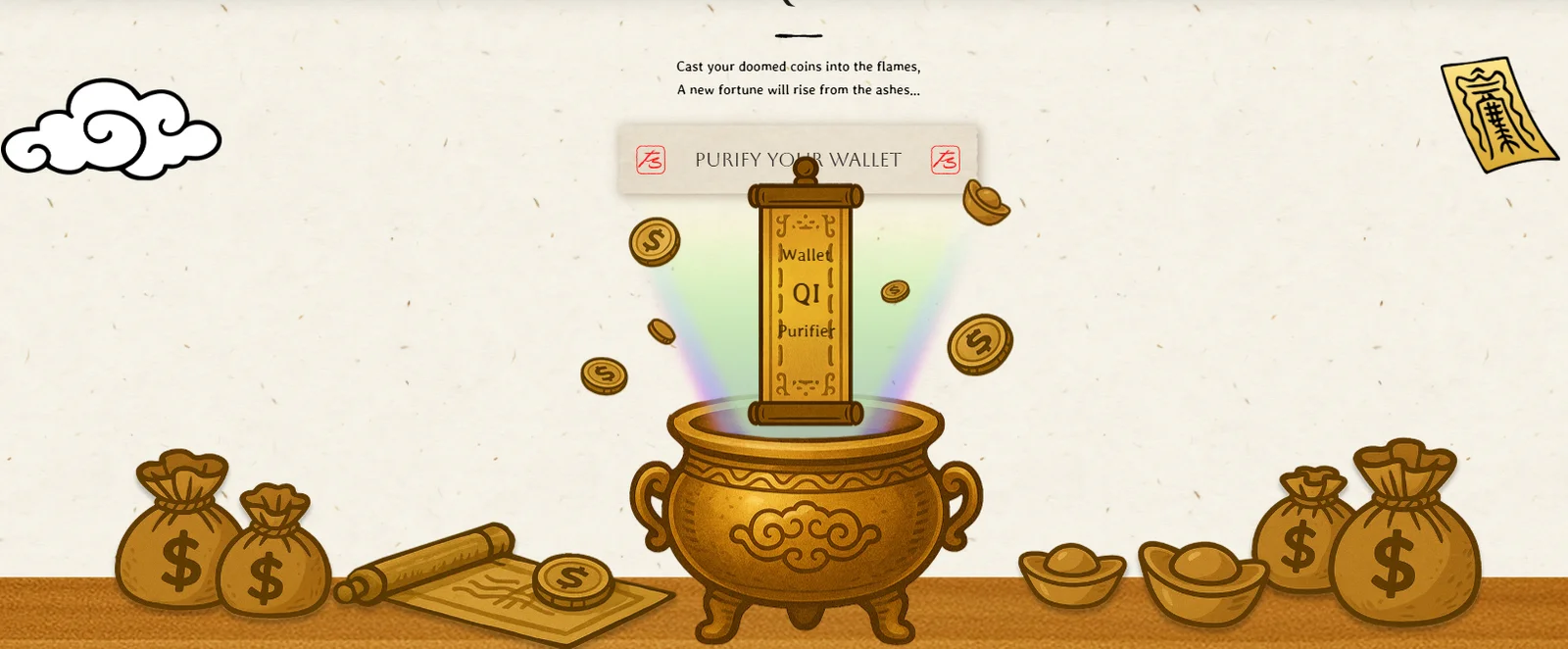
- December 6, 2025: One of the platform's most notable updates, Karmic Vault v2, was implemented. This update brought two new features: Guardian Invocation and Burn Away Bad Luck. The first allowed users to gain spiritual protection by acquiring digital amulet NFTs from Chinese and Japanese cultures. The second rewarded users with GUA by burning worthless tokens remaining in their wallets. Both features increased engagement and contributed to GUA's deflationary nature.
- December 16, 2025: Superfortune's mobile app was released for Android. The app combined daily horoscope readings, wallet cleansing (Qi cleansing), and in-app rewards under one roof. The iOS version was planned for release in early 2026. This mobile expansion allowed the platform to appeal not only to the crypto community but also to a wider audience interested in metaphysics.
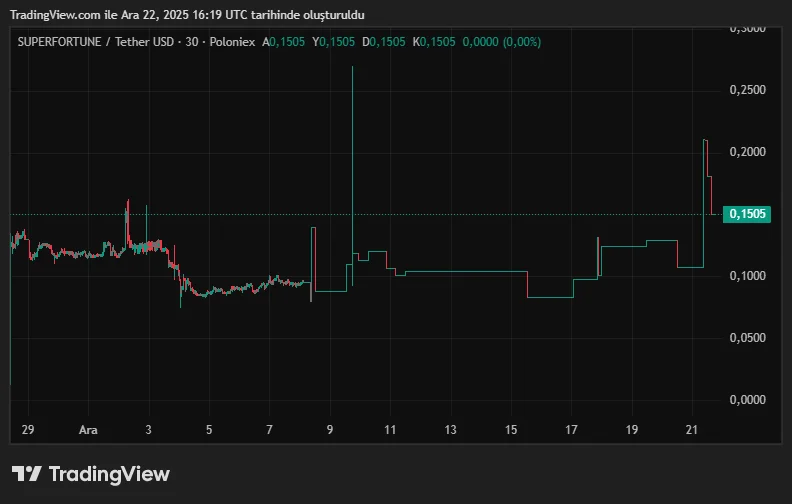
- Late December 2025: GUA was listed on leading international exchanges such as Gate.io, MEXC, and LBank. The total supply remained fixed at 1 billion, but the circulating supply was still limited. The project team announced plans to gradually increase liquidity and expand the supply in a balanced manner. As of the end of December, the GUA coin price was trading around $0.13.
Why is GUA Important?
The importance of the Superfortune project and the GUA token stems from both the unique use cases it offers and the different token economy behind it. The platform has managed to offer its users an experience that is both fun and meaningful, going beyond being just a game or a financial tool. Below, let's examine why Superfortune has attracted so much attention, specifically in terms of its use cases.
Use Cases
Superfortune is not an ordinary crypto application. It offers its users a mystical-themed, interactive, and often rewarding experience. Its prominent features include:
- Daily Personal Horoscope: Users can receive a personalized luck prediction every day, based on their wallet address or birth information. This horoscope provides an overview of the day's energy, opportunities, and risks, and earns the user 20,000 Fortune Points. This free feature aims to provide emotional support, especially to investors seeking motivation and direction during the day.
- Metaphysical Analysis for Tokens: Users can receive a "luck" analysis for any crypto asset by entering its symbol or contract address. This AI-powered feature uses ancient Chinese astrology to interpret the energy and mood surrounding the relevant token. Of course, this isn't a price prediction; it offers more of a symbolic perspective.
- Compatibility Analysis: By logging into two different Twitter accounts, it's possible to analyze their past connections, karmic compatibility, and potential for social interaction. This fun feature strengthens community bonds and opens a new window into collaboration and interaction strategies.
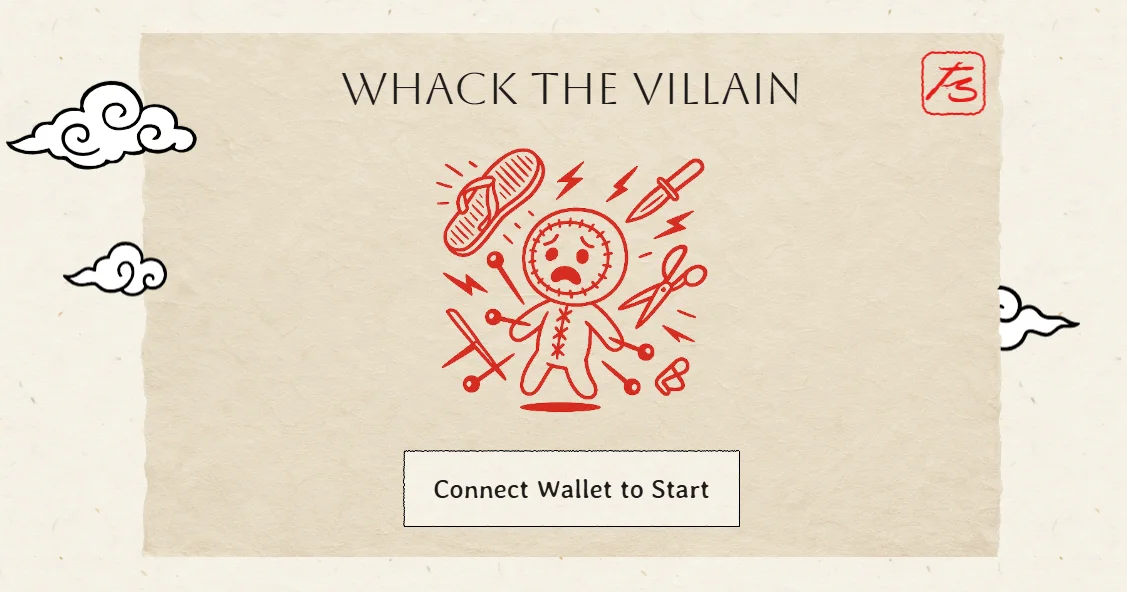
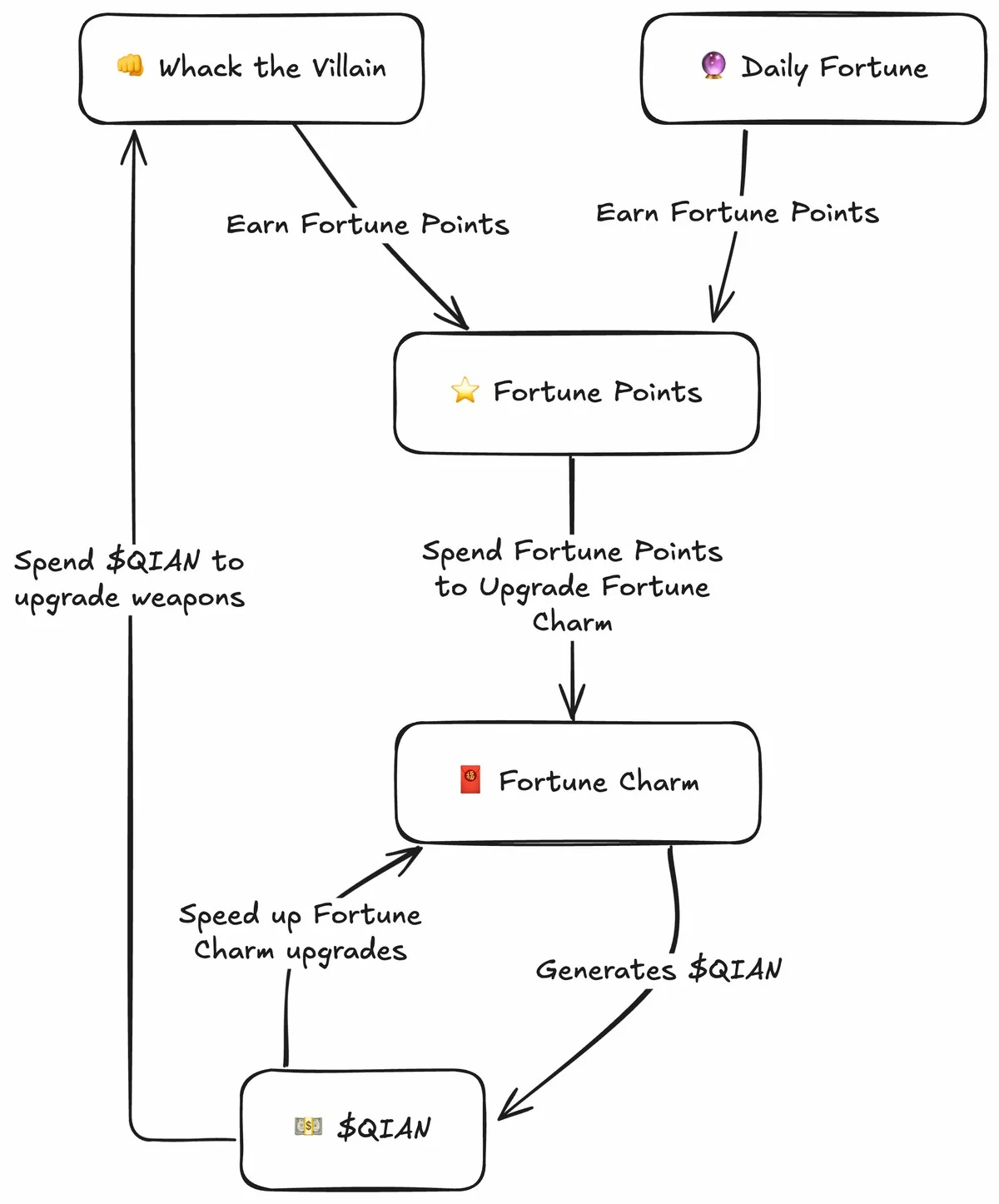
- "Whack the Villain" Game: Users hit their customized villain avatars a limited number of times each day. Each hit earns points. Players initially have 5,000 hits with a slipper, but can spend QIAN to acquire more powerful equipment and increase this limit to 10,000. They can relieve stress and progress on the platform with the points they earn.
- Digital Incense Burning: Superfortune brings traditional prayer and purification rituals to the digital world. Users can increase the effectiveness of their Fortune Charms by burning different types of incense through the "Karmic Vault."
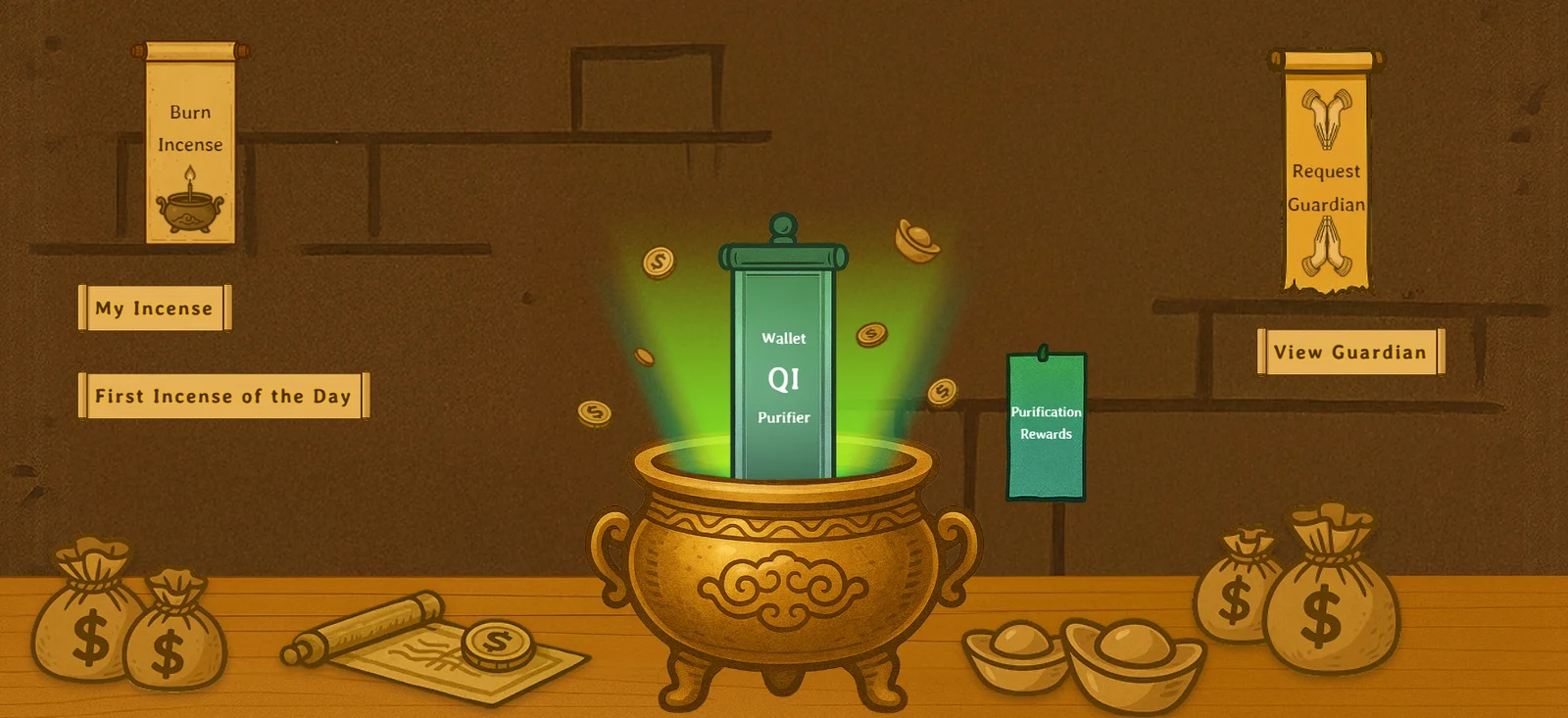
- NFT Amulets and Talismans: Inspired by Chinese and Japanese cultures, digital amulets are a key part of the platform. Users create collections of NFT amulets with effects such as increasing luck, protection from the evil eye, and bringing success. These amulets are purchased using QIAN and transferred directly to wallets.
- "Dead" Token Burning – Wallet Cleansing: Users burn worthless or useless tokens remaining in their wallets through the system and earn QIAN points in return. Inspired by Solana's Junk.Fun infrastructure, this feature both ensures wallet hygiene and offers a fun benefit of "turning trash into gold."
- Referral Program: Superfortune offers users a two-tiered "referral" system that rewards them for inviting others. When a user purchases a Fortune Charm, the person who invited them earns 35% of the purchase, and an additional 10% from the person they invited. With a total payout rate of up to 45%, it both increases the number of users and contributes to the formation of a loyal community.
Token Economy
One of the biggest problems frequently encountered in traditional GameFi projects was that players constantly sold the tokens they earned on the market, creating significant pressure on the system. In this case, when players' earnings far exceeded their expenses, the token price rapidly eroded, and the system became unsustainable. Superfortune, however, set out with an unconventional economic model to break this vicious cycle. The platform features two separate digital assets: QIAN and $GUA. QIAN is designed entirely for the in-game economy. It is centrally produced, has unlimited supply, and cannot be bought or sold on any exchange. Therefore, users cannot sell their earned QIAN externally, thus preventing mass selling (dumping) pressure on the market. QIAN is given to players as a reward; it is used for in-game upgrades, certain ritual processes, and airdrop conditions.
GUA, on the other hand, is the on-chain and economic aspect of the system. GUA, the platform's official token, operates on the BEP-20 standard and has a limited total supply of 1 billion units. Players cannot earn GUA directly by playing games. Instead, GUA is used by users who want to take advantage of more features on the platform. Features such as advanced analytics, special "luck" NFTs, and talisman upgrades can only be unlocked with GUA. It is also used as "fuel" in some systems within the platform. This model ensures that the demand for GUA increases as the platform grows. Therefore, the value of GUA is not only driven by market movements but also by the level of adoption of Superfortune. The division of labor between QIAN and GUA in the ecosystem is quite clear. Players who complete daily tasks and engage in interaction earn QIAN, which they then spend on in-game progression. Users who want more features and privileges pay for them by acquiring GUA.
Who are the Developers of GUA?
The team behind Superfortune is an international development team with experience in the crypto and blockchain world. The project was supported by Manta Network from its very beginnings. Therefore, Manta's influence is clearly felt in both the technical architecture and the vision. Manta Labs stands out as the core team that directly built Superfortune. Manta's founding engineers brought their expertise in privacy-focused blockchain solutions to this project, establishing a solid infrastructure.
The team always describes itself as a "global team." Developers, designers, and strategists from different countries came together to develop a collaborative product. Social media posts specifically emphasized that "this is not just a Chinese project"; it was stated that people from more than 8 countries contributed.
Superfortune's development team also includes some well-known names in the industry. For example, prominent figures in the community such as WolfyXBT and Min H. Kim frequently bring the project to the forefront. While it's unknown whether these individuals are directly involved in the team, it's clear they contribute to its promotion. Official announcements emphasized teamwork and collective effort rather than individual names. Manta Network's role in the project was quite central. It not only incubated Superfortune but also directly integrated it into its ecosystem. For instance, the fact that users staking Manta tokens could benefit from GUA airdrops created a strong link between the two projects. Thanks to this synergy, users from the Manta community learned about and supported Superfortune early on. Figures like Kenny Li, one of the founders of Manta, also occasionally share posts about Superfortune on social media, instilling confidence in the project.
Frequently Asked Questions (FAQ)
Below are some frequently asked questions and answers about Superfortune:
- What is Superfortune (GUA)?: Superfortune is a Web3 platform that combines Chinese metaphysics with artificial intelligence and blockchain. It offers features such as daily horoscopes, token analysis, and digital talismans; its native token is GUA.
- Which blockchain does the GUA token run on?: GUA runs on Binance Smart Chain (BNB Chain) and is BEP-20 standard. It provides fast and low-cost transfer options.
- When was GUA launched?: It was launched on November 27, 2025. It was first listed on Binance Alpha, then started trading on exchanges such as MEXC, Gate.io, and LBank.
- How to buy GUA tokens?: GUA can be bought and sold through crypto exchanges such as MEXC, Gate.io, and LBank. Opening an account on these platforms is sufficient.
- What is the difference between GUA and QIAN?: GUA is an official, on-chain, tradable token. QIAN, on the other hand, is a closed point system that can only be earned and spent within the game.
- Is Superfortune free?: Basic features are offered for free. Access to advanced content requires purchasing Fortune Charms, which cost approximately $10.
- What is the supply and inflation of the GUA token?: The total supply is limited to 1 billion units. The team aims to keep inflation low through controlled distribution and burning mechanisms. Who is developing the project?: The project is being developed by a multinational team supported by Manta Network. The team includes developers, designers, and strategy experts.
Take a closer look at boundary-pushing Web3 projects like Superfortune (GUA), their backgrounds, and real-world use cases in the JR Crypto Guide.

