
You may qualify for a token distribution by using a crypto project, holding a particular asset in your wallet, or participating in a community event. Known as a crypto airdrop, this practice is one way projects reach users and distribute their tokens. However, the phrase “free cryptocurrency” should not suggest that the process involves no costs or risks. Understanding the eligibility requirements, distribution method, and wallet permissions requested helps you distinguish potential opportunities from security risks.
What Is a Crypto Airdrop?
A crypto airdrop involves a project distributing tokens or NFTs to users who meet its requirements. Users generally do not purchase the distributed assets directly; instead, they qualify through previous activity, existing holdings, or completed tasks. Some distributions happen automatically, while others require users to claim their tokens. An airdrop therefore does not follow a single participation or distribution model.
Projects may use this approach to promote their products, reward early users, and encourage community participation. Distributing governance tokens can also give users a say in protocol decisions. However, receiving tokens is not equivalent to obtaining company shares or guaranteed income. The rights and uses associated with a token depend on the project’s rules.
Why a free distribution may still involve costs
Even if you do not pay to purchase the airdropped tokens, you may incur network fees, bridging costs, or transaction charges. Meeting the eligibility requirements may take time and sometimes involve using your capital in a protocol. None of this guarantees that a distribution will happen or that you will qualify. When evaluating a potential reward, consider the money, time, and risk involved together.
What Are the Different Types of Crypto Airdrops?
Crypto airdrops can be classified by how users qualify and which assets they receive. These categories can overlap; a single campaign may combine several methods. For example, users who hold a particular NFT and transact on a platform may qualify for the same distribution. Focus on the stated eligibility requirements rather than the campaign’s label.
| Airdrop type | How users qualify | What to check |
Standard airdrop | Registration or basic eligibility requirements | Tokens may arrive automatically or require a claim |
Task-based airdrop | Completing specified tasks | Task approval and reward conditions |
Holder airdrop | Holding a particular asset | Reference date, balance, and custody method |
Retroactive airdrop | Previous transactions and contributions | Eligibility criteria for past activity |
NFT airdrop | Distribution of NFTs | The NFT’s rights, transferability, and liquidity |
Standard and task-based airdrops
Standard airdrops may require users to register or submit an eligible wallet address. Task-based airdrops, also called bounty airdrops, may involve social media posts, content creation, bug reports, or community contributions. Rewards can differ between tasks, and some campaigns use prize draws or limit the number of participants. When completing forms, also review which personal information the project requests and why it collects it.
Holder and retroactive airdrops
Holder airdrops distribute assets to addresses holding a particular coin or token. Retroactive airdrops may reward addresses that previously used a protocol or contributed to its ecosystem. Eligibility can depend on factors such as transaction count, length of use, or governance participation. Holding an asset on an exchange may produce a different outcome from holding it in a personal wallet; whether the exchange supports the distribution also matters.
NFT airdrops
NFT airdrops distribute individually distinguishable digital assets to users. These may serve as collectibles, in-game items, membership credentials, or access passes for specific services. However, the distributed NFT may have no interested buyers, or its transferability may be restricted. An NFT appearing in your wallet therefore does not establish that it has a realizable market value.
How Do Airdrops Work?
A distribution generally involves identifying eligible users, calculating their allocations, and delivering the tokens. A project may announce this process in advance or assess previous activity retrospectively. Tokens may be distributed all at once, in separate rounds, or according to an unlocking schedule. Participation, qualification, and access to usable tokens may therefore occur on different dates.
What do snapshot and claim mean?
A snapshot records balances and relevant data at a specific date or block height. For example, a project may include addresses holding a particular token at that moment, while other campaigns assess activity over a longer period. A claim is the process of requesting your allocated tokens and may require an on-chain transaction. Check the deadline if a claim window applies; an eligible wallet does not necessarily receive tokens automatically.
Does collecting points guarantee rewards?
Some projects track user activity through a points system. Until the project announces whether points will convert into tokens, the conversion rate, and the distribution date, you should not treat them as a guaranteed entitlement. Projects may also apply Sybil checks to limit attempts by one person to collect rewards through multiple accounts. Making many transactions or paying substantial fees does not guarantee that you will pass these checks.
How Do You Get a Crypto Airdrop?
Start by understanding the project’s actual distribution requirements. Use its verified official website and announcements instead of following links circulating on social media. Make sure your wallet supports the relevant network; if claiming requires a transaction, you may need assets to cover network fees. You do not have to use the same wallet for every campaign.
A general checklist can include the following steps:
- Verify the distribution through the project’s official sources.
- Read the eligibility requirements and any geographic restrictions.
- Check your eligibility using the correct network and wallet address.
- Review the claim window, distribution schedule, and potential costs.
- Examine the contents of any signature or transaction request.
- Verify the distributed token’s contract address.
An eligibility checker that only needs your address may not require you to connect your wallet. Connecting a wallet, signing a message, granting a token spending approval, and approving a transfer are different actions. A “claim” label on a webpage does not prove that the request you sign only allows you to receive tokens. Investigate requests you do not understand or that ask for permission to spend your existing assets before approving them.
Why Do Projects Conduct Airdrops?
Alongside crypto marketing, airdrops can help establish a project’s token economy. Projects may use distributions to expand their user base, encourage people to try a product, and promote governance participation. Wider token ownership can support decentralization, but a higher address count alone does not prove fair distribution. Large allocations, connected wallets, and low participation can leave decision-making power concentrated in a small group.
For users, an airdrop can offer an opportunity to discover a project and receive tokens without buying them. Exploring decentralized finance applications can also make the process educational. However, adding another token to a portfolio does not necessarily reduce risk. Assets with limited liquidity and exposure to similar market conditions may provide little diversification benefit.
Well-Known Historical Airdrop Examples
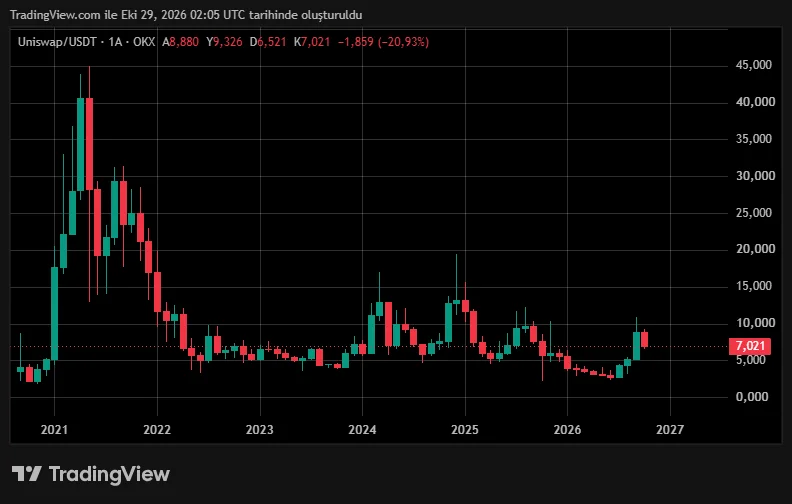
Uniswap’s UNI distribution, announced in September 2020, is a well-known example of rewarding previous users. Eligible historical user addresses received the right to claim 400 UNI. Reports at the time valued these tokens at approximately $1,200. Users earned the allocation through their previous use of the protocol; their realized gains depended on when they sold and the transaction costs involved.
At UNI’s peak price levels, the market value of the 400-token allocation reached approximately $18,000.
Optimism’s first OP airdrop in 2022 also targeted early users and ecosystem contributors. Its eligibility criteria covered certain Ethereum activities alongside Optimism usage. According to the project’s documentation, unclaimed tokens were sent directly to eligible addresses in September 2023. This illustrates how distribution processes differ between projects; the same approach should not be expected for every airdrop.
Airdrop Risks and Security Checks
Airdrop scams often exploit expectations of rewards and the fear of missing out. Fake accounts, imitation websites, and unfamiliar tokens sent to your wallet can direct you toward harmful transactions. A large follower count or professional design alone does not establish trustworthiness. Verify the announcement, domain, and contract details independently.
Fake tokens and malicious signing requests
An unexpected token or NFT appearing in your wallet does not, by itself, mean that someone has compromised your private key. Risk can arise when you follow a link in its description, share your recovery phrase, or sign a malicious request. MetaMask’s security documentation explains how fake airdrops target users through these methods. Avoid interacting with websites that unfamiliar assets direct you to for “redeeming rewards” or removing them; hide the assets through your wallet interface if necessary.
Small transfers and privacy
In attacks known as dusting, small transfers may be used to track address activity and investigate connections between different addresses. However, not every small transfer is a dusting attack, and not every unsolicited token uses the same mechanism. Address poisoning, which uses lookalike addresses to mislead users through their transaction history, presents a separate risk. Do not assume that unfamiliar transfers are rewards, and avoid copying recipient addresses from transaction history without checking them.
Taxes and recordkeeping
The tax treatment of airdrops may vary depending on your tax residency and the circumstances of the distribution. For example, the UK’s HMRC guidance treats distributions received in return for services differently from tokens received unconditionally for income tax purposes; a later sale may also have tax consequences. This approach should not be applied directly to other countries. Keep records of the distribution date, token amount, transactions, and relevant valuations, and check the current rules where you are tax resident.
The Future Role of Airdrops
The future impact of airdrops will depend on whether projects can turn token distributions into lasting participation. Factors such as sustained usage, governance contributions, and community activity may become more important than one-off transactions. Efforts to filter out artificial accounts may also raise further questions about privacy and accessibility. Evaluating a distribution through subsequent usage and participation offers more insight than focusing solely on its first-day price.
Frequently Asked Questions (FAQ)
Airdrop processes differ between projects, so there is no single participation method. A reward’s value, usability, and associated costs may also become clearer after distribution. Below, we answer frequently asked questions about cryptocurrency airdrop campaigns:
- Can you make money from crypto airdrops?: Yes, you may receive tokens with realizable market value. However, rewards are not guaranteed; transaction costs and price changes affect the outcome.
- When can airdrop tokens be sold?: They can be sold once they become transferable and sufficient liquidity exists in a supported market. Qualifying for an allocation does not mean you can sell immediately.
- Which wallets are suitable for receiving airdrops?: Wallets supporting the relevant network and asset may be used. Exchange addresses may not be suitable for every distribution; check the campaign’s requirements.
- Are airdrops legal, and are they taxable?: The answer depends on the country, distribution structure, and participation conditions. Do not assume that tokens received for free are automatically tax-exempt.
- How can you assess whether an airdrop is trustworthy?: Review official announcements, the domain, contract address, and requested permissions. No single check provides complete assurance; reject requests for your recovery phrase.
- What are some notable historical airdrops?: Uniswap’s UNI and Optimism’s OP distributions are well-known examples. Past outcomes do not indicate that new campaigns will deliver similar gains.
Before participating in an airdrop, assess the reward conditions, total costs, and permissions requested from your wallet together. Follow JrKripto’s guides to understand token distributions and recognize the warning signs of airdrop scams.

