
When you first enter the cryptocurrency world, you encounter terms such as Bitcoin, blockchain, wallets, and mining. This guide explains essential cryptocurrency terminology, how trading works, storage options, and the risks to consider before making a transaction.
Introduction to Cryptocurrency
What Is Cryptocurrency?
Cryptocurrency is a type of digital asset that uses cryptographic methods to verify transactions. On networks such as Bitcoin, participants can maintain shared transaction records without a central institution managing them.
You do not carry these assets as physical banknotes or coins. Your balance and transfers appear in the relevant network’s records.
The purpose of a crypto asset varies by project. Some focus on transferring value, while others provide access to applications, pay network fees, or enable participation in governance.
The degree of decentralization also differs between projects. You should assess the network’s technical structure, the asset’s issuer, and the platform you use separately.
What Is Cryptology?
Cryptology is the study of methods for protecting information and analyzing those methods. Within this field, cryptography focuses on areas such as encryption, digital signatures, and data integrity.
Cryptocurrency networks use digital signatures to authorize transactions. Users create signatures with their private keys; the network can verify those signatures without learning the private keys.
Hash functions produce a fixed-length digest from data. Even a small change in the data can produce a different digest.
However, hashing and encryption are different processes. Using cryptographic proof also does not mean every transaction remains private; anyone can inspect transfer histories on many public networks.
A Brief History of Cryptocurrencies
Satoshi Nakamoto published Bitcoin’s white paper in 2008. The Bitcoin network launched in January 2009, putting digital value transfers without a central operator into practice.
One well-known event in cryptocurrency history is the pizza purchase on May 22, 2010. Laszlo Hanyecz paid 10,000 BTC for two pizzas, an event now commemorated as Bitcoin Pizza Day.
The purchase became an early example of using Bitcoin in exchange for goods and services. The first transfer on the Bitcoin network took place before the pizza purchase.
Blockchain Technology and Crypto Assets
What Is Blockchain?
Blockchain is a data structure that stores records in interconnected blocks. As a form of distributed ledger technology, it allows different participants to hold copies of the same records.
A block contains a cryptographic reference to the previous block. An attempt to alter past records also affects subsequent links and the network’s validation checks.
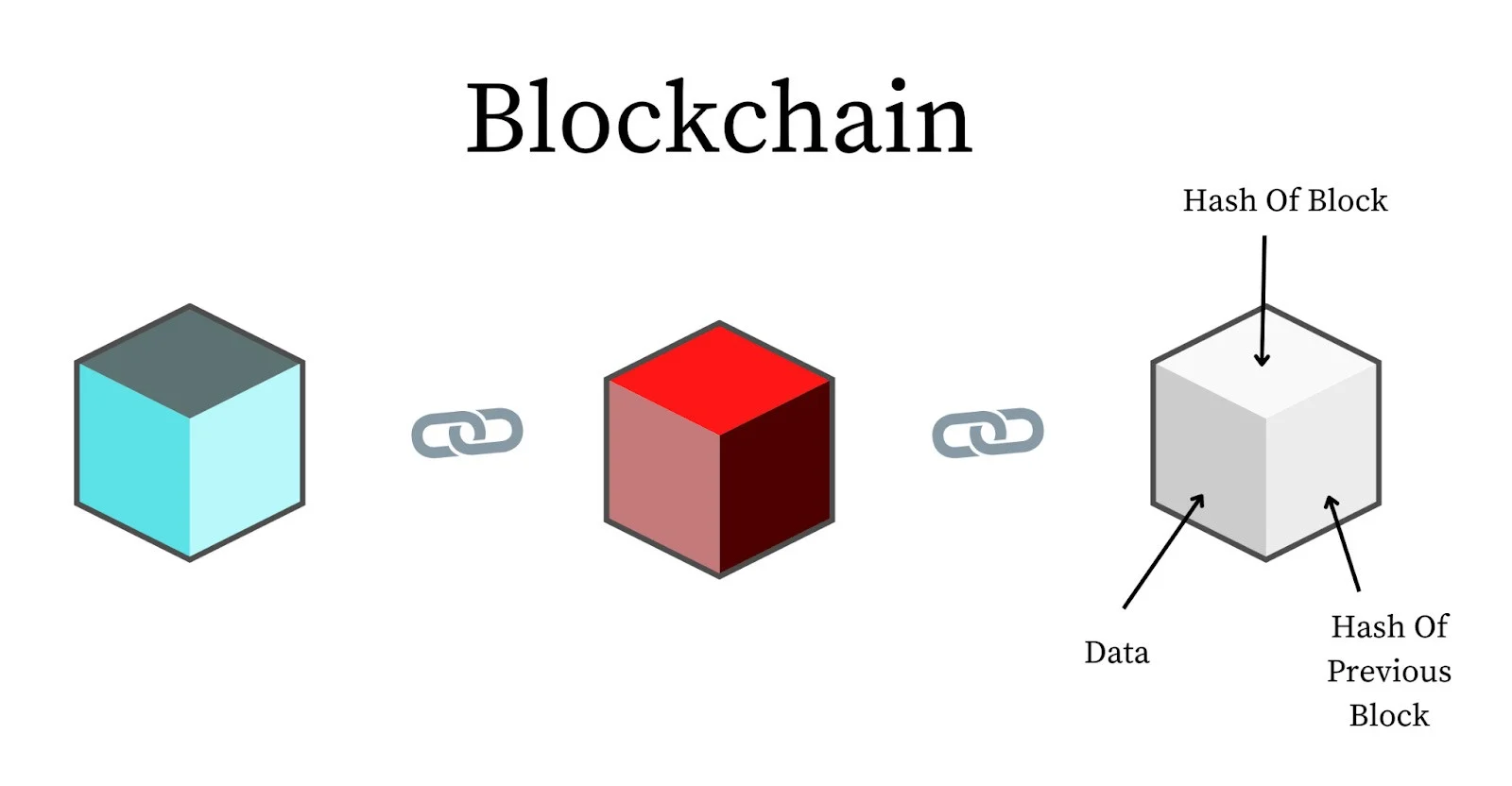
This structure makes transaction history difficult to modify. The level of security still depends on the network’s size, consensus mechanism, and distribution of participants.
Decentralization aims to reduce the concentration of decision-making and validation authority in a single place. However, blockchain networks do not all use the same participation and governance models.
What Are Coins, Tokens, and Altcoins?
In common usage, a coin refers to the native asset of its own blockchain network. BTC on Bitcoin and ETH on Ethereum are examples of this distinction.
A token is an asset created using an existing network’s infrastructure. Tokens can serve purposes such as use within an application, participation in governance, or representation of specific rights.
| Feature | Coin | Token |
Infrastructure | The native asset of its own network | Operates on an existing network |
Uses | Network fees, transfers, network security | Application functions, governance, asset representation |
Examples | BTC, ETH, SOL, AVAX | UNI, USDT, SAND |
Creation process | May require developing and operating a network | Can use existing infrastructure and standards |
The technical cost of creating a token can be relatively low. However, building a secure, sustainable project that attracts users requires additional work.
Altcoin generally refers to crypto assets other than Bitcoin. An asset described as an altcoin can therefore technically be either a coin or a token.
Bitcoin, Ethereum, and Other Essential Concepts
Bitcoin is known for transferring value without intermediaries and for its limited supply model. Its protocol rules cap total issuance at approximately 21 million BTC.
Ethereum is a blockchain network where developers can build smart contracts and applications. Its native asset, ETH, pays transaction fees and allows users to contribute to network security through staking.
Other concepts you will encounter in the digital asset ecosystem include:
- Stablecoin: A crypto asset that aims to keep its value close to a reference asset, such as the US dollar.
- DeFi: Applications that use smart contracts to provide financial services such as swaps, borrowing, and liquidity provision.
- NFT: A type of individually distinguishable token that can serve purposes such as digital collectibles and memberships.
- Governance token: An asset that may provide voting or proposal rights over certain project decisions.
- Fan token: A token that may offer engagement opportunities and usage rights defined by clubs or communities.
- ERC-20: A widely used technical standard for fungible tokens on Ethereum.
A stablecoin’s price can deviate from its target. Its reserve structure, issuer, collateral, and underlying mechanism influence its risks.
Owning an NFT also does not automatically grant copyright over the associated work. You need to check usage rights separately in the project’s terms.
The Difference Between Digital Money and Cryptocurrency
Digital money is a broad term covering monetary value held electronically. Bank account balances and electronic money do not have the same technical or legal structure as crypto assets.
| Topic | Bank account or electronic money | Crypto assets |
Record management | The institution’s systems | Varies by network and asset design |
Transaction control | Institutional rules and regulations | Protocol rules, user authorization, and the service used |
Identity verification | Generally required | Depends on the service and applicable regulations |
Incorrect transactions | Dispute or review procedures may be available | Reversing an on-chain transfer is generally not possible |
Custody | An account with an institution | An institutional account or a user-controlled wallet |
Creating your own wallet and opening an account on a centralized platform involve different processes. Platforms may request identity and transaction information to comply with regulations.
The Cryptocurrency Market and Its Dynamics
What Are Trading Volume and Liquidity?
Trading volume shows the total amount traded over a given period. Data providers may express it in token units or a currency such as US dollars.
Liquidity describes how easily you can buy or sell an asset without significantly affecting its price. High volume alone does not establish strong liquidity or a trustworthy project.
For example, an order book may contain only a limited number of sell orders. In such a market, a large purchase can execute at an average cost above the displayed price.
The difference between the expected price and the execution price is called slippage. Low liquidity and rapid price movements can increase this gap.
How to Buy Cryptocurrency
The process of buying cryptocurrency depends on your chosen platform’s services and your country’s rules. On a centralized platform, the basic steps usually follow this sequence:
- Review the platform’s company details, authorization status, and terms of use.
- Create an account through its official website or application.
- Complete the required identity verification.
- Use a strong password and two-factor authentication.
- Fund your account using a supported method.
- Check the asset, trading pair, fees, and order type before buying.
- Decide how you will store your assets after the transaction.
A market order aims to execute against available orders; it does not guarantee an exact execution price. A limit order respects your specified price limit but may remain unfilled.
When transferring assets to your wallet, check the network as well as the receiving address. Include a memo or tag when the platform requires one.
What to Consider Before Buying Cryptocurrency
You can begin researching a project with its technical document, known as a white paper. You should also assess its working product, developer activity, and token distribution.
An ICO is one model projects use to raise funds through token sales. Joining a project early does not establish that its token will gain value or that the team will complete its product.
During your research, examine:
- The problem the project aims to solve and its existing product.
- The token’s actual use cases.
- Circulating supply, total supply, and token unlocks.
- Token allocations to the team and early investors.
- Smart contract permissions and security reviews.
- Trading volume, liquidity, and platform terms.
A low unit price does not necessarily mean an asset is cheap. For example, if 10 billion tokens are in circulation, a price of 1 lira corresponds to a market capitalization of 10 billion lira.
An investment strategy should include your loss limits and investment horizon. Borrowing to trade, concentrating funds in a single asset, and using leverage require separate consideration from a risk management perspective.
Why Do Cryptocurrency Prices Rise or Fall?
Prices in cryptocurrency markets form at the levels where buyers and sellers transact. Demand, selling pressure, liquidity, and expectations all play a role.
Factors that can influence price movements include:
- Growth or decline in a project’s usage.
- New tokens entering circulation.
- Technical upgrades and security problems.
- Interest rate decisions and global financial conditions.
- Platform listing and delisting decisions.
- Large investors’ transactions and liquidations of leveraged positions.
A whale is a person or organization holding a large amount of an asset. However, a transfer from a large wallet does not, on its own, prove that a sale has occurred.
Volatility describes how much a price fluctuates over time. An asset that rises rapidly can lose value just as quickly.
Bitcoin halving reduces the rate of new BTC issuance; it does not halve existing BTC balances. Mining creates new supply, and a slowdown in supply growth alone does not guarantee a price increase.
Cryptocurrency Security and Storage
Is Cryptocurrency Safe?
Network security, platform operations, and user practices require separate assessment. A token operating on a robust blockchain can still have a vulnerability in its smart contract.
Similarly, an apparently reliable platform may experience withdrawal problems or account security issues. Technical infrastructure does not guarantee that an asset will retain its value.
Cryptocurrency scams often rely on urgency, promises of high returns, and fake support messages. An account using a familiar name or company logo does not prove that its messages are authentic.
How Does a Cryptocurrency Wallet Work?
A cryptocurrency wallet is a tool that lets you view your assets on a network and authorize transactions. Asset records remain on the blockchain; the wallet manages access and signing functions.
A private key is secret information that provides authority to transact with the associated assets. Many personal wallets also provide a recovery phrase to restore access.
Someone who knows your recovery phrase may access your assets through a compatible wallet. Changing the application password does not change that phrase.
On custodial platforms, the service provider generally manages the private keys. With wallets where you control your own keys, you take responsibility for backups and recovery.
Hot Wallets and Cold Wallets
A hot wallet uses keys in an internet-connected environment. Mobile applications and browser extensions are examples that make everyday access convenient.
Cold storage aims to keep private keys offline. Hardware wallets help protect keys inside the device while signing transactions.
| Feature | Hot wallet | Cold storage approach |
Ease of use | Convenient for frequent transactions | May require an additional device or extra steps |
Key environment | Internet-connected device | Offline environment or dedicated hardware |
Main risks | Malware, phishing | Lost backups, physical damage, approving harmful transactions |
Purpose | Everyday access and applications | Separating keys from online threats |
A hardware wallet does not make a harmful transaction safe if you approve it. You still need to check the address, amount, and transaction details on the device’s screen.
Essential Security Checklist
These habits can help reduce risks when using wallets and platforms:
- Never share your recovery phrase with anyone, including support staff.
- Keep backups somewhere inaccessible to others and protected against physical damage.
- Download applications from official sources.
- Check the domain name of any link.
- Reject unexpected signature requests and token spending approvals.
- Verify the address, network, and any required memo before transferring assets.
- Make a small test transfer when appropriate.
Disconnecting from a website does not automatically revoke token spending permissions you previously granted. Review unused permissions separately on the relevant network.
Cryptocurrency Creation and Acquisition Methods
What Is Cryptocurrency Mining?
Cryptocurrency mining involves participating in the creation of new blocks on networks that use Proof of Work. Bitcoin miners make numerous attempts to find a hash that meets the network’s target.
A miner who produces a valid block can receive the block subsidy permitted by the rules, along with transaction fees. Network nodes also check whether the block complies with those rules.
Not every cryptocurrency uses mining. Proof of Stake networks follow a different model based on validators’ staked assets and protocol rules.
Ethereum transitioned to Proof of Stake in 2022. As a result, ETH mining no longer takes place on the Ethereum mainnet.
How Does Mining Work?
The mining method depends on the network’s algorithm and competitive conditions. Common hardware and service models include:
| Method | Main feature | Key considerations |
CPU mining | Uses a computer’s processor | May only be practical for suitable algorithms |
GPU mining | Uses graphics cards | Hardware costs and energy consumption |
ASIC mining | Uses devices designed for a specific algorithm | High upfront costs, competition, and device efficiency |
Cloud mining | Rents computing power from a remote operator | The company’s legitimacy, contract terms, and payment conditions |
ASIC devices are common in Bitcoin mining. Expecting to mine Bitcoin profitably with a home computer overlooks current competition and costs.
Profitability calculations should account for electricity, cooling, maintenance, pool fees, and equipment depreciation. Cloud mining contracts do not provide fixed or guaranteed profits either.
Acquiring Cryptocurrency Through Staking and Airdrops
Staking involves using assets to contribute to network security on supported networks. Alongside rewards, it can involve price declines, service provider risks, and protocol-specific penalties.
An airdrop is a token distribution to addresses that meet certain conditions. Projects may use airdrops for promotion, to reward previous users, or to build a community.
Not every airdrop comes without requirements or costs. Participation may involve transaction fees, time, or interactions with different applications.
Receiving an unexpected token in your wallet does not mean you need to interact with it. Avoid links that request your recovery phrase or ask you to sign suspicious transactions to claim a reward.
Cryptocurrencies, Regulations, and the Future
Are There Turkish Cryptocurrency Projects?
There are projects developed by teams connected to Turkey, as well as fan tokens associated with Turkish sports clubs. However, “domestic” may refer to a team’s location, a company’s place of incorporation, or its community connections.
The description does not mean the asset carries a government guarantee. You should separately examine the project’s team, legal structure, and the rights it offers token holders.
Buying a fan token also generally does not mean owning shares in a club or receiving dividends. The project’s and club’s disclosures define the scope of those rights.
Is Cryptocurrency Legal?
The legal status of crypto assets varies by country and type of activity. Different rules may apply to trading, custody, payments, and service providers.
In Turkey, legislation that took effect on July 2, 2024, brought crypto asset service providers under the regulation and supervision of the Capital Markets Board, known as the SPK. On March 13, 2025, the SPK published two communiqués covering establishment, operations, and operating principles.
When assessing a platform’s authorization status, finding its name on a list is not sufficient. The SPK explicitly states that inclusion on its temporary “List of Operating Entities” does not constitute authorization.
A Central Bank of the Republic of Turkey regulation also prohibits the direct or indirect use of crypto assets in payments. This provision concerns a different activity from buying, selling, or holding crypto assets.
The Future of Cryptocurrency
The future of crypto assets depends on usability, security, costs, and the development of regulations. Continued digitalization does not mean every project will succeed or every token will gain value.
Stablecoins, asset tokenization, and blockchain applications offer different use cases. Users still need to understand the rights and risks associated with these products.
Financial literacy is as important as technical knowledge in this context. Learning how a technology works is a starting point for assessing whether it suits your needs as an investment.
Frequently Asked Questions (FAQ)
Below are some frequently asked questions and answers about cryptocurrency basics.
- Why have cryptocurrencies become so popular?: Online access, new applications, and investment interest have increased awareness of cryptocurrencies. Price increases and social media have also attracted attention; popularity alone is not a reliable measure of trustworthiness.
- What are the risks of investing in cryptocurrency?: Major risks include price losses, low liquidity, platform problems, security vulnerabilities, and fraud. Leveraged trading can lead to the rapid loss of deposited collateral.
- What should I consider when choosing a cryptocurrency wallet?: Review supported networks, who controls the keys, backup methods, and transaction interfaces. Learn how the wallet’s recovery process works before transferring assets.
- How do whales affect the market?: Large transactions can affect prices, particularly in markets with low liquidity. However, a single address may represent an exchange or many users, so wallet activity needs context.
- What determines the value of cryptocurrencies?: Demand, circulating supply, use cases, liquidity, and expectations influence prices. Limited supply or strong technology alone does not ensure lasting price appreciation.
- Are airdrops and mining safe ways to earn cryptocurrency?: Both methods involve costs and risks. Examine operating expenses for mining, and check the source and requested wallet permissions for airdrops.
Once you understand the basic concepts of cryptocurrency, the next step is to learn about the tools you use. Build your knowledge with JrKripto’s guides to cryptocurrency wallets, Bitcoin mining, and smart contracts.

