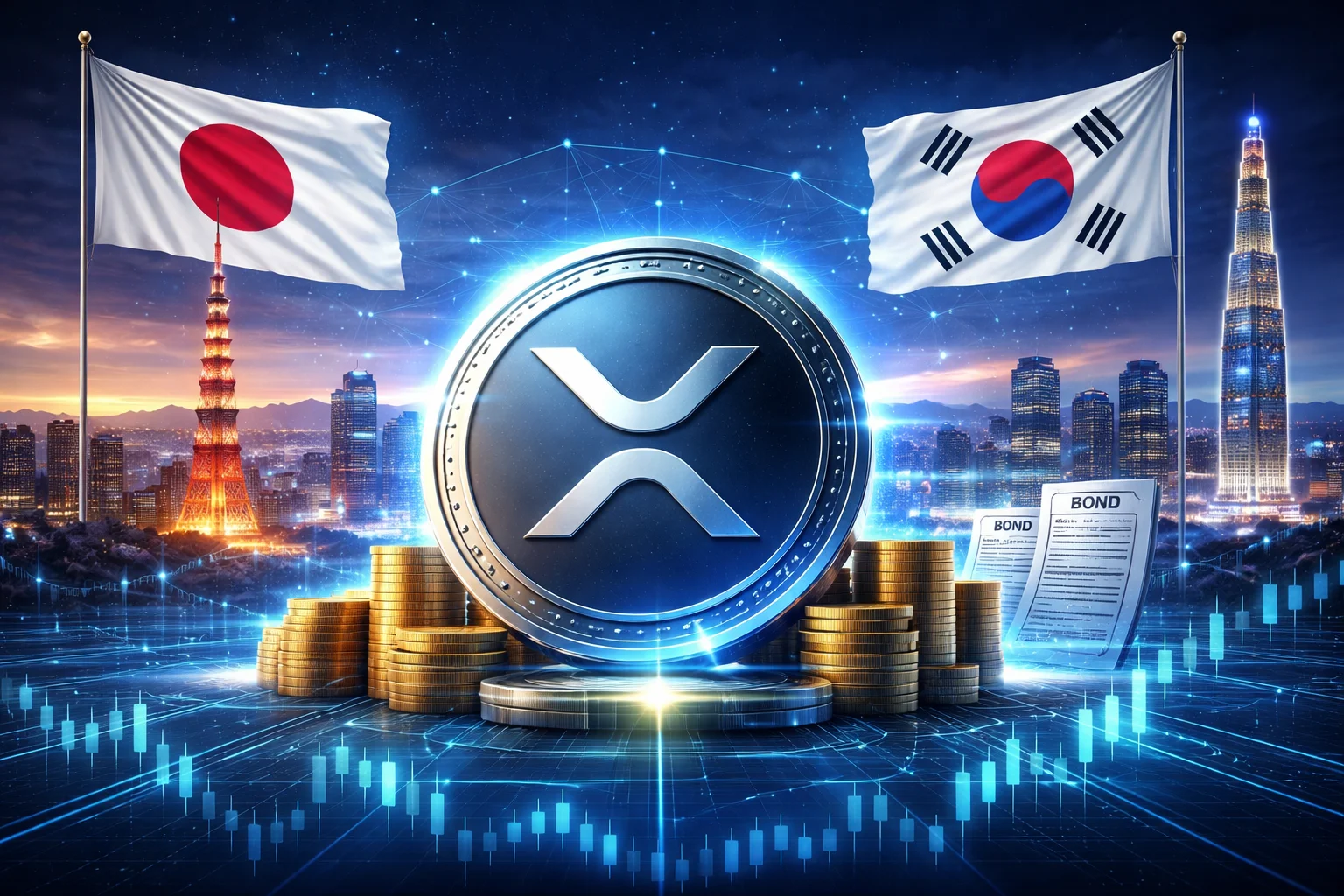
Rakuten, a Japan-based e-commerce and technology company, has announced the integration of XRP into its Rakuten Pay payment application. Launched on April 15th, the system allows approximately 44 million users to use XRP as a payment method and conduct buying and selling transactions within the application. Under the new integration, users can purchase XRP with their Rakuten Points. These XRPs can be stored in the Rakuten Wallet and converted to Rakuten Cash, which can then be spent at over 5 million merchants across Japan.
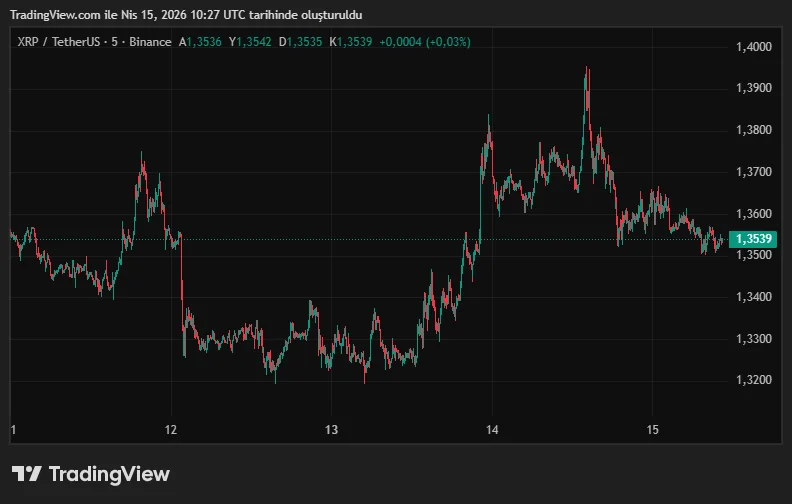
Rakuten's loyalty program is known as one of the largest reward systems in Japan. According to company data, the total value of points in circulation exceeds 3 trillion yen. Integrating this system with XRP allows users to convert their earned points into digital assets. Rakuten is not taking a new step in cryptocurrency integration. The company previously added Bitcoin, Ethereum, and Bitcoin Cash to its payment options in 2023. Furthermore, in 2021, it announced its own token project, Rakuten Coin. The inclusion of XRP in the system has expanded the variety of crypto assets on the platform. Statements from the Ripple ecosystem indicate that this development is a significant milestone for XRP. Company representatives stated that thanks to Rakuten's strong user base and extensive service network in Japan, XRP can reach a wider audience. On the price side, XRP has shown an upward trend in recent days with increased trading volume. The asset climbed from $1.32 to $1.39, exhibiting a noteworthy short-term movement. The rise was supported by gradual buying rather than a single sudden jump. However, the XRP price stabilized just below the $1.38 level, exhibiting a sideways trend before creating a new upward wave. Increased trading volume and purchases by large investors were among the key dynamics behind the movement during this period.
Ripple infrastructure enters the government bond market in South Korea
Meanwhile, Kyobo Life, a long-established insurance company in South Korea, announced that it will use Ripple Custody infrastructure for the custody and settlement processes of government bonds. This step represents a significant development towards the digitalization of transaction processes in the approximately $800 billion government bond market.
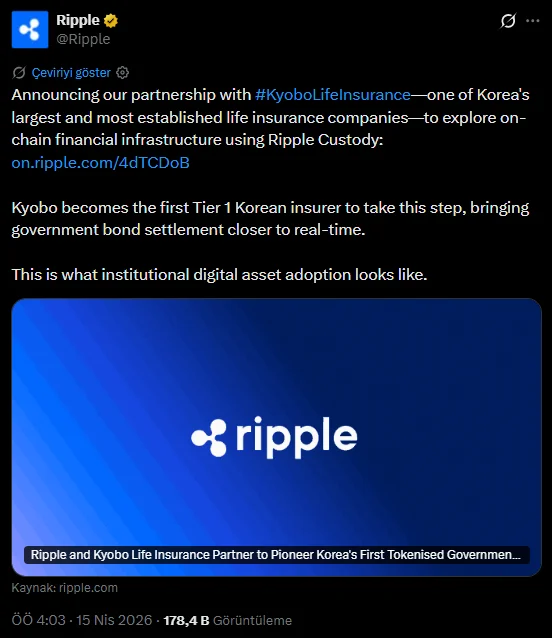
Under the current system, completing government bond transactions in South Korea takes about two days. During this process, both asset transfers and payment confirmations remain pending. The new structure aims to complete these transactions in seconds by tokenizing them.
The collaboration between Kyobo Life and Ripple is not limited to custody services. It is also reported that the parties are testing stablecoin-based payment infrastructures. Whether Ripple's stablecoin, RLUSD, will be used in this process is not yet clear.
South Korea is among the countries that have adopted a controlled approach to regulation, creating a testing ground for blockchain applications. With the commencement of licensing processes for crypto custody services in the country, the shift of financial institutions towards blockchain-based solutions has also accelerated.