Things are changing rapidly in the crypto world; a new solution, a new vision emerges every day. Among this crowd, some projects truly stand out. Apro is one of them. Developed as an AI-powered, decentralized data oracle network, APRO enables blockchain applications to receive reliable data from the outside world. This means that off-chain price data, weather information, real-world events… are all collected from reliable sources, verified, and delivered to smart contracts. All this creates a wide range of use cases, from decentralized finance (DeFi) projects to the tokenization of real assets. Apro aims to bring a new generation, AI-focused solution to the "oracle problem," which has long been discussed in the Web3 ecosystem. A robust oracle system is fundamental to every data-driven business; that's where Apro comes in.
Let's examine together what the AT token does and what APRO exactly is.
Apro's Description and Origins
Apro (AT) is a decentralized oracle protocol developed to enable blockchain-based smart contracts to securely access off-chain data. It emerged in 2024, aiming to solve the "oracle problem" that the Web3 world has long struggled with. This problem stems from blockchains' inability to access data from the outside world and the questioning of the reliability of incoming data. This is where APRO comes in. The founding team aims to securely transfer off-chain information such as price data, real-time market data, or the results of global events to the blockchain. This allows DeFi protocols to operate with up-to-date price data, and prediction markets to reach accurate conclusions. Smart contracts can now trust information from the outside world and take action automatically.
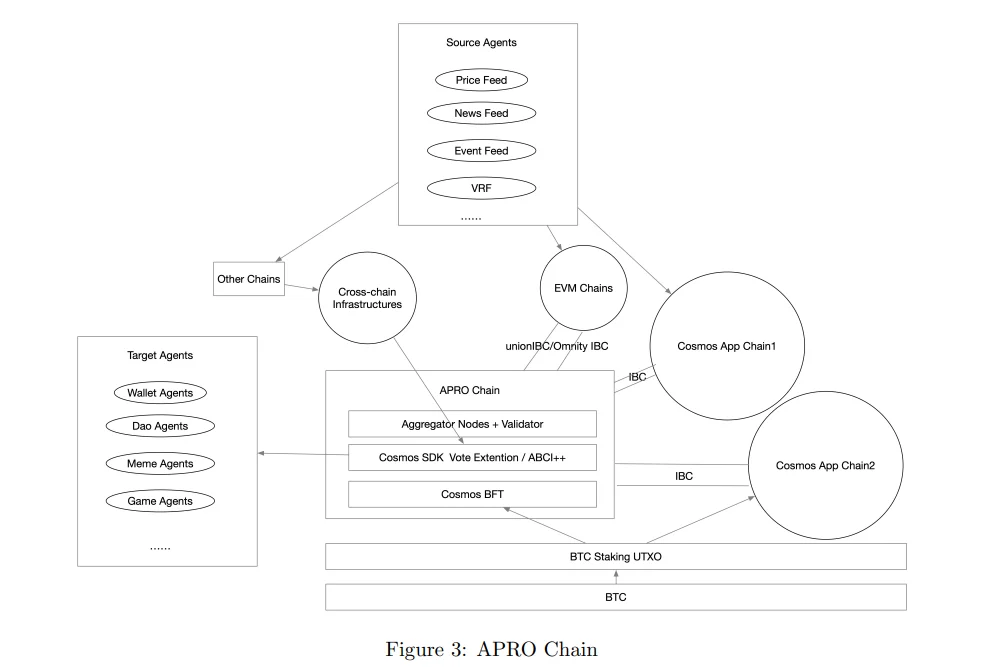
Apro offers more than just a classic oracle service. It takes the basic functionalities provided by systems like Chainlink and goes a step further. It offers a much more comprehensive data flow infrastructure enriched with artificial intelligence. Looking at its technical infrastructure: Apro operates with a hybrid structure. Off-chain data is first processed and verified using machine learning algorithms. Then, this information is published on the blockchain with cryptographic signatures. Thus, both speed and security go hand in hand.
The AT token is located on the Binance Smart Chain (BSC) network and uses the BEP-20 standard. However, Apro is not limited to BSC. It is designed to integrate with more than 40 blockchains, including Ethereum. Even now, it is actively used in over 1000 data flows across more than 15 major networks. Thanks to this cross-chain compatibility, APRO finds its place in many different ecosystems, from DeFi to RWA tokenization.
Apro's History: Key Milestones
Every project has certain moments that determine its direction, accelerate its progress, and build trust… Apro's journey is a story shaped by just such moments. From its initial launch, the team took rapid steps, not only offering a technological solution but also making many strategic moves that attracted the attention of the community and investors. From early-stage funding to technical integrations, from the AI Oracle announcement to listings on major exchanges, let's take a look at all the milestones that defined APRO's development.
2024: Project Launch and First Steps
APRO took the stage in 2024. In October, it raised $3 million in a seed funding round led by major investment funds such as Polychain Capital and Franklin Templeton. This early-stage investment accelerated the project's development of its "Oracle 3.0" vision. APRO set out with the goal of creating an oracle network capable of providing data not only to smart contract networks like Ethereum, but also to UTXO-based structures like Bitcoin.
In the first quarter of the year, the first product was launched: the basic price data feed service called Price Feed was activated. In the second quarter, the Data Pull feature was added to this service; thus, data could be retrieved on demand.
At the end of 2024, the project's whitepaper was published. Then, as a significant milestone, the AI Oracle and Bitcoin integration was officially announced. By the fourth quarter, APRO had implemented its AI-powered oracle module and launched its data service compatible with UTXO-based networks, including Bitcoin.
2025: Growth, collaborations, and deepening
2025 was a very active year for APRO in terms of technical development and ecosystem growth. In the first half of the year, the project integrated with more than 15 blockchain networks and activated multi-network support. During this process, the number of active data streams exceeded 1400. In particular, many platforms in the DeFi sector began using APRO's infrastructure for their oracle services. Significant strides were also made on the token side. The AT token, listed on the Phemex exchange in June, soon began trading on platforms like WEEX. These developments contributed to increased liquidity and a broader community reach. In October, the team announced its second strategic funding round, led by YZi Labs, with participation from Gate Ventures, Wagmi VC, and TPC Ventures. This investment brought APRO's total funding to between $6 and $8 million. On the technical front, the third quarter of the year was full of innovations.
The AI Oracle module was further developed; the system can now analyze and transfer image files, PDF documents, and other unstructured data to the blockchain. This demonstrated that APRO was expanding beyond just financial data to cater to a wider data ecosystem. Towards the end of the year, the APRO team introduced specialized oracle solutions for prediction markets. This system allowed decentralized betting and prediction platforms to securely obtain the results data they needed through APRO. And as of December 2025, the Binance Research Team published a comprehensive analysis report on APRO. This report showed that the project has become a structure closely followed by the general crypto ecosystem.
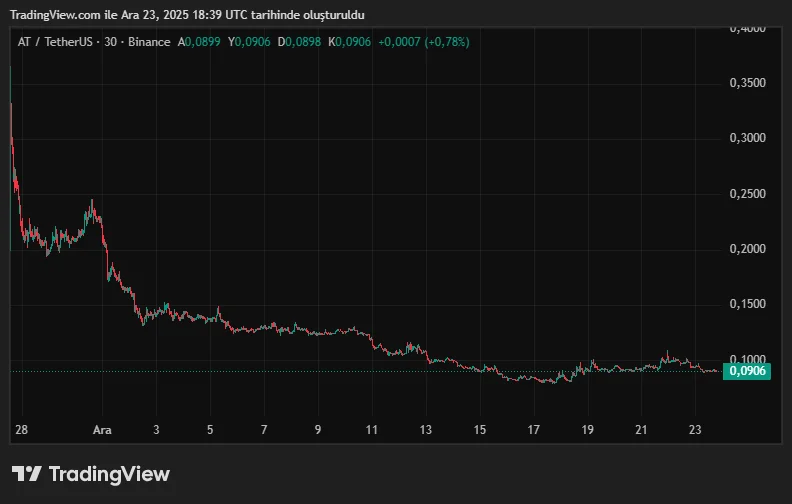
In the last days of the year, the AT coin price is trading around $0.09.
Why is Apro (AT) Important?
There are many reasons why Apro stands out. Most importantly, it contributes to the blockchain world through the diversity of its use cases. With its AI-integrated oracle infrastructure, flexible structure adaptable to many sectors, and decentralized nature, Apro easily distinguishes itself from classic oracle projects.
Use Cases
AI Oracle technology: Apro stands out as one of the first oracle solutions supported by artificial intelligence. The AI Oracle module within the protocol aims to provide verified and real-time data, especially to systems like large language models (LLMs). This reduces the problem of "hallucinations," or the generation of fabricated information, which these models frequently encounter. For example, when an AI-powered trading bot works integrated with the APRO oracle, it can reliably receive price data in real-time. This ensures that analyses are more robust and realistic.
Data sharing and decentralized applications: Apro's oracle network offers a very wide range of use cases. It can securely provide price data on-chain, which is critical, especially for DeFi projects. For example, a lending protocol can directly use the price feeds provided by APRO for liquidation or collateral calculations. The situation is no different in prediction markets. Thanks to APRO, the outcome of an event (e.g., an election result or a sports match) is obtained from accurate and independent sources and transferred to smart contracts. Betting or prediction contracts are securely settled based on this data. In addition, very different projects such as stablecoin projects requiring proof of reserve, insurance applications, and gaming platforms can easily integrate into APRO's oracle infrastructure. For example, in the insurance sector, flight cancellation or weather data can be transferred to the chain via APRO. This increases transaction security and accelerates automation.
Institutional and individual use cases: APRO offers a structure that appeals not only to developers or protocols but also to both institutional actors and individual users. For example, tokenized stock platforms like MyStonks can obtain accurate and verifiable on-chain stock price data thanks to APRO. This increases the reliability of real-world assets represented on the blockchain. Similarly, decentralized forecasting platforms like Opinion Labs also use APRO's AI-powered module for complex data analysis, allowing for more accurate market outcomes. For individual users, things are quite practical. Someone using a DeFi application with APRO integration can be sure that the underlying data for their transactions is accurate. Furthermore, anyone can buy AT tokens to invest in the project, stake them to earn rewards, or have a say in governance voting.
Token Economy
Below is critical information regarding APRO's token economy:
Token Supply and Distribution
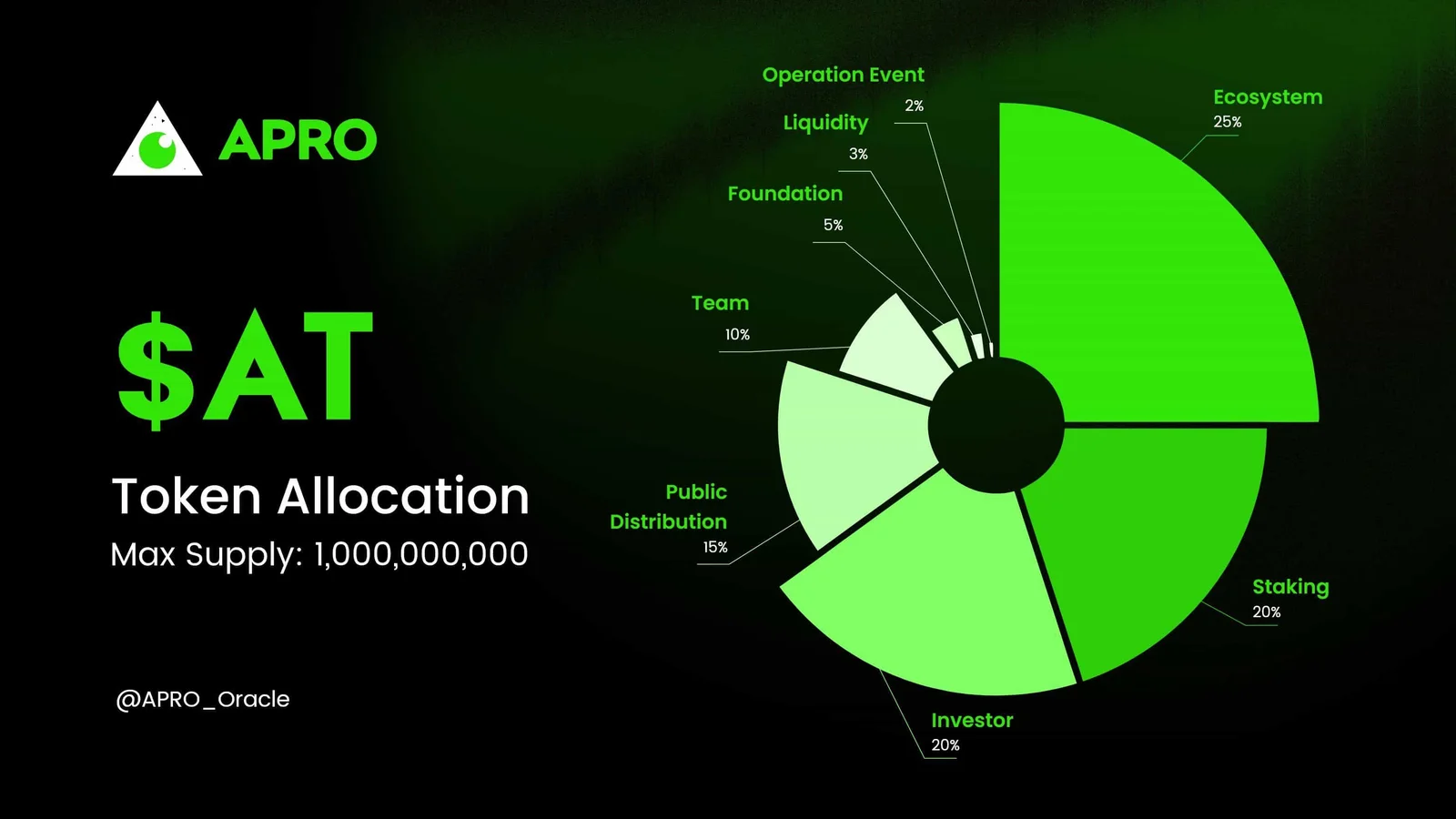
APRO's native token, AT, is limited to a total of 1 billion tokens. The maximum supply is fixed; meaning no new tokens are minted. This ensures that the token has a deflationary, rather than inflationary, value potential in the long term. The team has created a balanced distribution plan. Of the total supply:
25% is allocated to the ecosystem development and growth fund,
20% to stake rewards distributed to oracle node operators,
20% to early-stage investors. In addition, 15% is distributed to the community through public sales and airdrops. The remaining tokens are divided as follows:
10% to the founding team and core developers,
5% to the APRO Foundation (for reserve and operational support),
3% for initial liquidity,
2% for future special events and campaigns.
Staking System, Rewards, and Community Participation
The AT token is at the very heart of the system. It serves both as fuel for the oracle service and as a tool for participation in governance processes.
Applications using the protocol (i.e., projects that want to receive external data streams) pay with AT tokens for each oracle request they make. This supports the continuity of the system; it both encourages quality data flow and protects the network from unnecessary data requests.
Those who want to become node operators in the network must stake a certain amount of AT tokens. These staked tokens function as a trust mechanism that balances the behavior of operators. Those who provide correct data earn rewards from the system. Those who transmit incorrect or malicious data may lose a portion of their staked tokens, i.e., slashing is applied. In addition, the AT token is actively used for protocol governance. Token holders can vote on issues such as adding new data sources or updating system parameters. Thus, they become not only investors but also decision-makers.
Transparency and Governance Structure
Transparency is paramount in APRO's token economy. The entire deployment plan has been openly shared with the community. Because AT operates on a public network like Binance Smart Chain, all token movements can be tracked in real-time via blockchain explorers. This means anyone who wants to follow what's happening in the system can access the data. Initial project management was shared between the APRO Foundation and the core development team. A supporting market maker partner, BP Market Makers, also participated in the process.
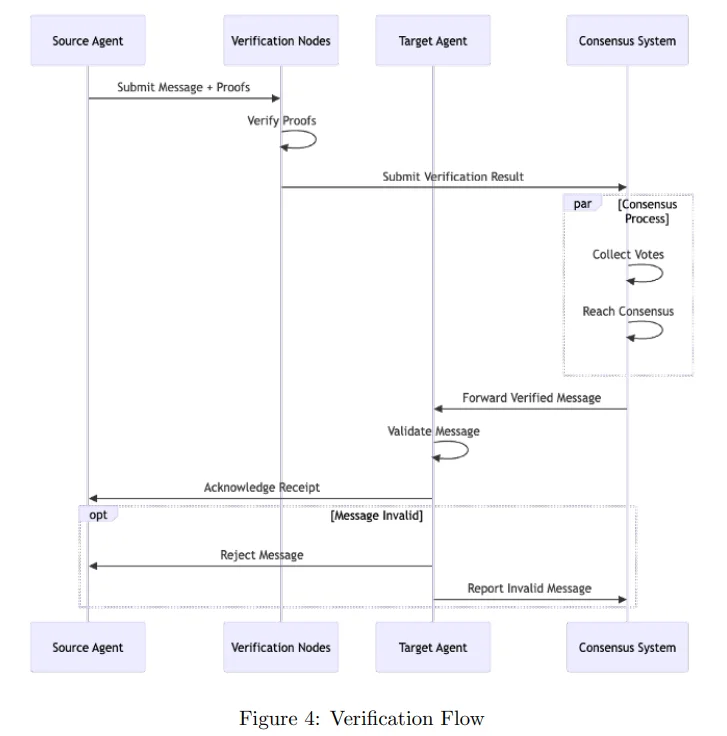
The "verification" process on the Apro network.
The founding team adopted a community-based approach rather than emphasizing individual identities. They consciously remained anonymous. Their goal was for the project to progress based on ideas, technology, and the community, not on a single person.
Early support from major investors such as Polychain Capital and Franklin Templeton also stood out as an external factor of trust in the management.
APRO's plans aim to transition to a completely community-focused governance model, i.e., a DAO (Data Entry Authentication) model, in the future.
Who are APRO's Developers?
The team behind APRO prefers not to share their identities with the public. In other words, team members remain anonymous. This is not something we are unfamiliar with in the crypto world. Projects that prioritize the principle of decentralization, in particular, choose to focus on technology and the community rather than individuals.
APRO's developers define themselves as a distributed community of experts. Among them are data engineers, blockchain developers, and experts in machine learning. The project is shaped by the collaborative efforts of these people from different countries and disciplines. Technical information, updates, and official announcements are also prepared directly by this anonymous team. They are regularly shared with the community through the website, whitepaper, and social media accounts. Furthermore, tasks within the APRO team are divided into specific roles. One group works on core protocols and smart contracts, while others focus on oracle nodes, data integration, or machine learning algorithms. Thus, the project is managed comprehensively not only in terms of software but also data quality and infrastructure security. Initially, decision-making processes were conducted between the core team and the APRO Foundation. However, over time, a broader governance structure involving the community has emerged. The goal is to evolve into a completely community-managed decentralized structure in the long term. The APRO team gives the impression of being a team with a long-term perspective and a solid vision. Their aim is clear: to build a trustless and scalable data infrastructure in the Web3 world. This vision aims to create a strong foundation, especially for the more efficient and robust operation of artificial intelligence and blockchain applications.
Frequently Asked Questions (FAQ)
Below, you can find some frequently asked questions and answers about Apro (AT):
On which networks does APRO operate?: APRO's AT token primarily operates on Binance Smart Chain (BSC) (BEP-20 standard). The oracle infrastructure is integrated into approximately 15 different blockchain networks, primarily Ethereum; thanks to its cross-chain compatibility, APRO can provide data feeds to a wide part of the Web3 ecosystem.
How can users access it?: Users can access the APRO ecosystem as both investors and users. The AT token is already listed on many cryptocurrency exchanges (e.g., WEEX) and can be obtained from these exchanges. Developers or project teams can integrate oracle data into their own applications using APRO's smart contract interfaces and APIs. APRO's official documentation facilitates this process by providing guides for integration and use on different blockchains.
How is transparency ensured in the token economy?: APRO's token economy has a completely transparent structure. The total supply of AT tokens (1 billion) and distribution ratios (team, investor, community shares, etc.) were initially determined and openly shared with the community. Because AT operates on a public blockchain, all token movements and smart contract transactions are traceable by everyone. Furthermore, APRO plans to open governance decisions to community participation via on-chain voting in the future, thus ensuring transparency and accountability in ecosystem management.
Who is the target audience?: The target audience of the APRO protocol is primarily blockchain developers and Web3 project teams. All projects requiring external data, such as DeFi protocols, prediction platforms, AI applications, or the tokenization of real-world assets, can utilize APRO's oracle service. In addition, traditional players such as financial institutions can choose APRO to secure their off-chain data on the blockchain. Individual crypto enthusiasts can indirectly benefit by using APRO integrated applications and participating in the project's governance and staking programs by owning AT tokens.
To take a closer look at APRO's technology, token model, and decentralized data streaming ecosystem, continue following our JR Kripto Guide series.
#what is apro#what is apro coin#what is at coin#at coin price#binance alpha apro#apro binance#apro tokenomics
Do you have any questions?Feel free to send us your questions or request a free consultation.